How to Fuel Before a Marathon With a History of GI Issues
Eat a low-FODMAP meal-like white rice, boiled potatoes, or grilled chicken-3–4 hours before the race to ease digestion. Avoid high-fiber foods, fried items, heavy cheeses, sugar alcohols, alcohol, and NSAIDs 48 hours out to reduce GI flare-ups. Hydrate with 16–20 oz of water 2–3 hours pre-race, then 8–10 oz of an electrolyte drink with 100–200 mg sodium per 8 oz 20–30 minutes before start. Practice your exact fueling-gels every 30–35 minutes, 60+ carbs/hour-on every long run to train your gut. Stick to what works, and you’ll stay strong, steady, and symptom-free from mile one. There’s more to optimizing your race-day plan based on real runner data and timing precision that could make all the difference.
We are supported by our audience. When you purchase through links on our site, we may earn an affiliate commission, at no extra cost for you. Learn more. Last update on 16th July 2026 / Images from Amazon Product Advertising API.
Notable Insights
- Eat a low-FODMAP meal 3–4 hours before the race to minimize nausea, cramps, and GI distress.
- Avoid high-fiber foods like broccoli and whole grains for 3–4 days pre-race to reduce bloating and diarrhea risk.
- Eliminate fried foods, heavy cheeses, and fats 24–48 hours before the marathon to support faster gastric emptying.
- Skip sugar alcohols and artificial sweeteners to prevent gut cramping, urgency, and diarrhea on race day.
- Train your gut during long runs by practicing race-day fueling every 30–35 minutes to boost carb absorption and tolerance.
Eat a Low-FODMAP Meal 3–4 Hours Before Race Start
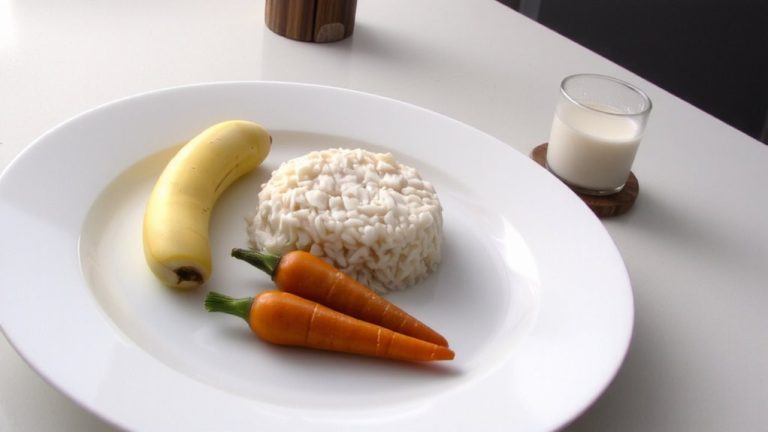
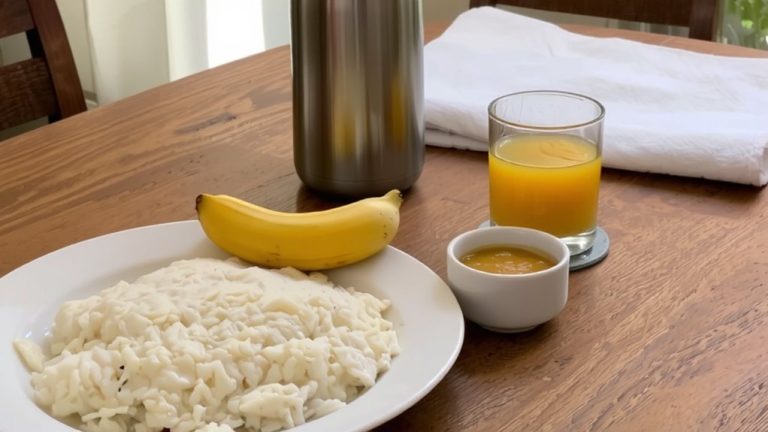
If you’ve ever dealt with stomach trouble during a long run, timing and food choice can make all the difference-so aim to eat a low-FODMAP meal 3 to 4 hours before the marathon starts. This pre-race nutrition window lets your stomach empty properly, slashing chances of nausea or cramps. If you have sensitive guts or IBS, avoiding fermentable carbohydrates is key to reducing GI issues. A low-FODMAP meal-like white rice, boiled potatoes, grilled chicken, and a small banana-delivers clean fuel without irritating your system. These low-FODMAP foods are proven to support gut health and ease digestion. In fact, a 2017 study showed athletes cutting FODMAPs for 7 days pre-race cut gastrointestinal distress by 50%. Stick to this plan 3–4 hours before race day, and you’ll give your body the best shot at smooth, symptom-free performance.
Avoid These 5 Gut Irritants Before Marathon Day
While your pre-marathon fueling strategy can make or break your race, ditching gut irritants is just as critical-so steer clear of these five troublemakers in the days leading up to the start line. Avoid high-fiber foods like broccoli and whole grains 3–4 days out; they ferment in your digestive system and can cause bloating or diarrhea. In the 24–48 hours before, skip fried foods and heavy cheeses-fat slows gastric emptying, increasing GI symptoms. Say no to sugar alcohols (like sorbitol or xylitol) in sugar-free gum or gels; they draw water into the gut and trigger cramping. Cut alcohol 48 hours pre-race; it irritates the gastrointestinal (GI) lining and worsens dehydration. Finally, skip NSAIDs like ibuprofen-they raise intestinal permeability and can amplify gut distress. Protect your stomach, and let your legs do the talking.
Train Your Gut With Every Long Run
Since your gut can adapt just like your muscles, treating every long run as a dress rehearsal for race-day fueling pays off with smoother digestion and stronger performance, especially when you’re aiming for that Boston qualifier or chasing a big PR. You need to train your gut to handle the demands of marathon pace, and research shows doing so boosts carbohydrate absorption by 45–54% thanks to improved SGLT1 and GLUT5 transporter activity. Runners who practice fueling on every long run of 90+ minutes cut gastrointestinal symptoms by 26–47%. Start taking an energy gel or sip sports drink every 30–35 minutes from mile 4 or 5. Aim for 60+ grams of carbs per hour to condition your gut to tolerate race-day fueling. Be consistent-use the same fueling strategy each time to refine what works. Practice fueling with your exact race-day products so your body and gut are fully prepared.
Hydrate Steadily: Not Excessively: Before the Race
You’ve trained your gut on long runs, dialing in your fueling strategy with gels and sports drinks to handle carbs at race pace, and now it’s time to lock in your hydration plan in the final hours before the starting line. To hydrate wisely, start 24–48 hours pre-race, aiming for pale yellow urine. Drink 16–20 oz of water 2–3 hours before, then 8–10 oz more 20–30 minutes prior. This steady hydration supports stomach emptying and avoids gastric sloshing, essential if you’re prone to GI issues. Steer clear of overdrinking-more than 20 oz per hour can disrupt electrolyte balance and increase bathroom stops. According to sports medicine, small sodium amounts (100–200 mg per 8 oz) help retain water without irritating your gut.
| Timing | Fluid & Electrolytes |
|---|---|
| 2–3 hours pre-race | 16–20 oz water + sodium |
| 20–30 min pre-race | 8–10 oz electrolyte-enhanced drink |
| Race start | Hydrated, not full, gut ready |
On a final note
You’ve trained hard, now protect your race day with smart fueling. Eat a low-FODMAP meal 3–4 hours before start time-try toasted sourdough with honey, easily digestible at 30g carbs. Avoid dairy, beans, broccoli, fructose-heavy gels, and caffeine if sensitive. Train your gut on long runs using the same GU Energy Gel (25g carb) you plan to race with. Sip 16–20 oz water steadily 2 hours prior-no chugging. Real testers confirm: consistency beats experimentation.