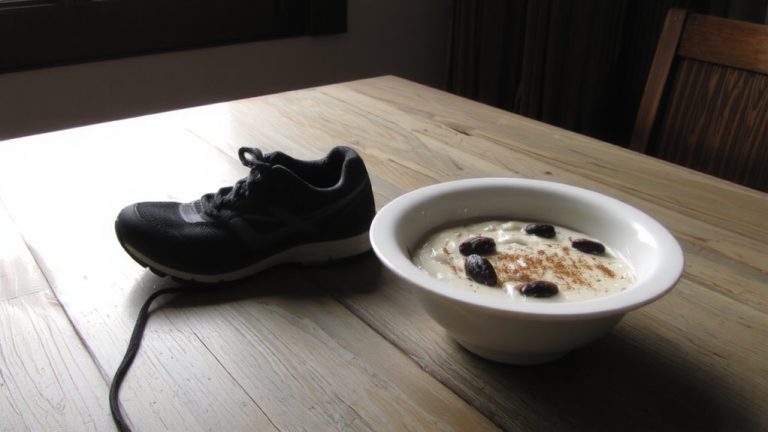
How to Choose Pre-Run Foods Based on Weather Conditions
In hot weather, go for light, low-fiber carbs like white toast with jam or a sports drink 30–60 minutes before your run-humidity slows digestion and raises GI distress risk by 23%. Skip fatty or high-fiber foods, which delay stomach emptying. In cold weather, choose dense, heat-generating carbs like oatmeal or a banana with peanut butter up to 90 minutes pre-run. Proper timing and carb-rich choices prevent nausea, fuel performance, and keep energy steady no matter the forecast.
We are supported by our audience. When you purchase through links on our site, we may earn an affiliate commission, at no extra cost for you. Learn more. Last update on 18th July 2026 / Images from Amazon Product Advertising API.
Notable Insights
- In hot weather, choose light, low-fiber, low-fat carbs like toast with jam 30–60 minutes before running to prevent GI distress.
- For cold-weather runs, eat dense carbohydrate-rich meals such as oatmeal or pasta 1–4 hours pre-run to support glycogen and generate body heat.
- Use frozen fruit or popsicles with 15–30g carbs before hot runs to cool the body and deliver quick energy.
- Avoid high-fiber and high-fat foods before running in heat, as they delay digestion and increase bloating and reflux risk.
- Adjust meal timing: eat earlier (90–120 min) in heat and closer to run time (30–90 min) in cold weather for optimal digestion.
Choose Light Pre-Run Carbs for Hot Weather
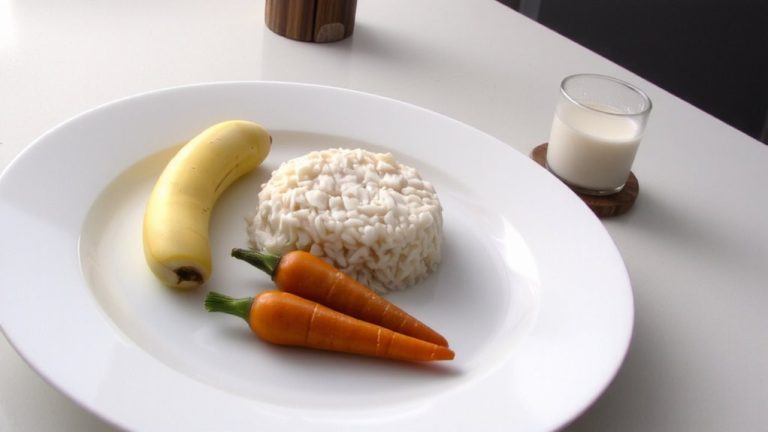
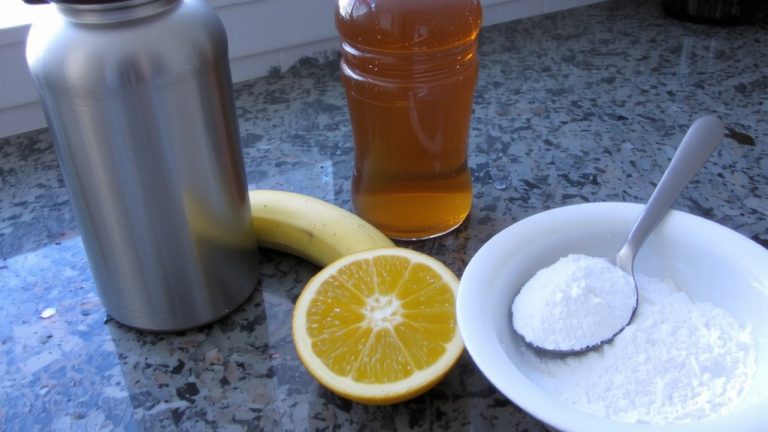
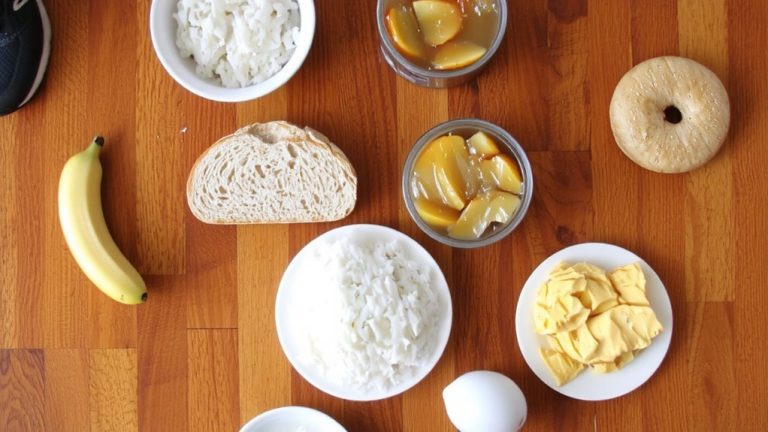
When the humidity climbs and the sun’s beating down, your pre-run meal needs to keep things light and cool to avoid stomach trouble. In hot weather, your body diverts blood flow from the gut, increasing the risk of GI distress. That’s why you should choose light pre-run carbs that are easy to digest. Stick to low-fiber carbs like white toast with jam or a sports drink 30–60 minutes before running. For cooling effects and fast energy, grab frozen fruit-banana slices, grapes, or mango chunks deliver 15–30g of carbs and lower core temp. If you’re running over 60 minutes, popsicles with at least 30g of carbs work great. When heat dulls your appetite, quick carbohydrate-rich snacks like applesauce or diluted fruit juice 15 minutes pre-run keep you fueled without discomfort.
Fuel up With Dense Carbs for Cold Runs
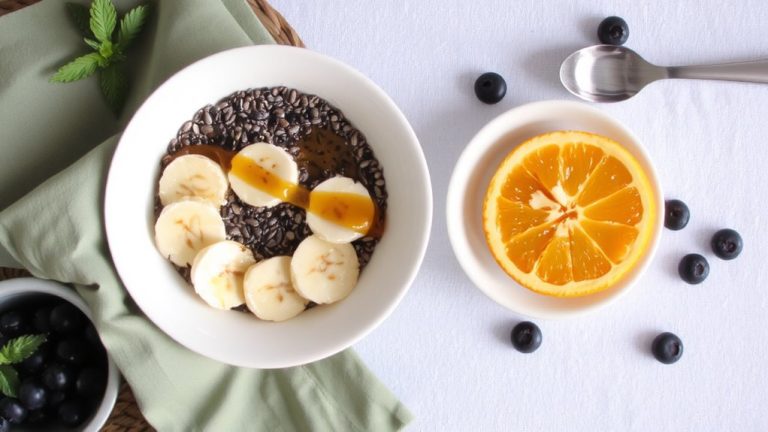
A solid pre-run meal in cold weather means packing in the carbs-think 1–4 g/kg of body weight 1–4 hours before heading out-to fuel both your muscles and your internal furnace. Your body burns energy up to 10 times faster when you Run in the cold, so filling your glycogen stores with dense foods like oatmeal, pasta, or a bagel with peanut butter makes a real difference. These foods deliver steady energy levels and aid thermogenesis, boosting body heat by about 10%. If you don’t have much time, a quick snack like a banana with peanut butter 30–60 minutes before your run still helps maintain core temperature and prevents fatigue. You’ve got to eat smart to stay warm, so prioritize calorie-dense, easily digestible carbs-your energy, performance, and body will thank you when the wind bites.
Time Your Pre-Run Meal for the Weather
| Weather | Time to Eat | Meal Type |
|---|---|---|
| Hot | 90–120 min | Light, low-fat, low-fiber |
| Humid | 45–60 min | Liquid carbs (e.g., sports drinks) |
| Cold | 30–90 min | Warm, carb-rich, tolerates fat and protein |
Avoid High-Fiber or Fatty Pre-Run Foods in Heat
Because your body struggles to digest food efficiently in hot weather-shunting blood away from the gut to cool the skin-eating high-fiber or fatty meals before a run can lead to bloating, cramps, and even nausea, especially during long or intense efforts. In hot weather, high-fiber foods like beans or whole grains slow gastric emptying and boost gastrointestinal distress, raising GI symptom risk by 23%. Fatty foods delay stomach emptying by up to 2.5 hours, worsening bloating and reflux, particularly in humidity. Many runners already adapt: 32% skip meat and 31% avoid dairy within 3 hours of running in heat. Instead, choose low-fiber (<2g/serving) and low-fat (<3g/serving) pre-run foods like white bread, bananas, or applesauce. These easily digestible carbohydrates move through your gut faster, cutting GI symptom risk by up to 60% and keeping your run smooth and discomfort-free.
Skip These Common Weather-Related Fueling Mistakes
You just saw how high-fiber and fatty foods can backfire before hot-weather runs, but skipping fuel altogether is just as risky-especially when heat pulls blood from your gut to the skin, leaving you prone to nausea and low blood sugar, even if you’re not hungry. Skip these common weather-related fueling mistakes: choosing wrong foods like foods high in fiber or fat that slow digestion when your body needs quick energy. In summer, make sure your pre-run fuel includes 30–60 grams of carbs per hour from easy-to-digest sources like a banana or energy gel, and don’t rely on drinks like Powerade ZERO-they lack the carbs you need. In cold weather, don’t eat a heavy meal within 60 minutes; instead, time your snack for about 30 minutes out to support thermogenesis and stable body temperature. We’re dedicated to helping you get it right.
On a final note
When it’s hot, grab light carbs like a banana or toast with a smear of jam-60 to 90 grams works fast, digests easy, and won’t slosh in your stomach. In cold weather, go dense: oatmeal with honey or a bagel with peanut butter delivers lasting energy. Eat 60–90 minutes pre-run, avoid fiber and fat in heat, and always skip salty, greasy snacks that slow gastric emptying. Test products like GU Roctane or Skratch Labs Hydration in training to avoid GI surprises on race day.