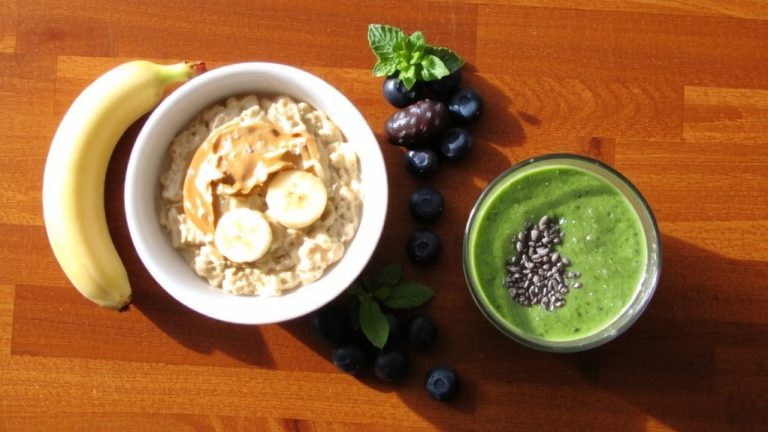
Best Pre-Run Nutrition for Runners With Gastritis
You’re more likely to trigger gastritis if you eat high-fiber, fatty, or acidic foods, but choosing low-fiber carbs like white toast, plain rice, or boiled potatoes 2–3 hours before running cuts your risk. Stick to under 3g fiber per meal, avoid caffeine and carbonation, and sip 16–20 ounces of water slowly pre-run. A small banana or white cracker 30 minutes out is usually safe. Test timing and portions on easy runs first-your gut’s response will show you what really works.
We are supported by our audience. When you purchase through links on our site, we may earn an affiliate commission, at no extra cost for you. Learn more. Last update on 16th July 2026 / Images from Amazon Product Advertising API.
Notable Insights
- Choose low-fiber, bland carbohydrates like white toast or plain rice to minimize stomach irritation.
- Consume 30–50g of simple carbs 2–3 hours before running for energy without GI distress.
- Avoid caffeine, spicy foods, carbonation, and acidic drinks that can worsen gastritis symptoms.
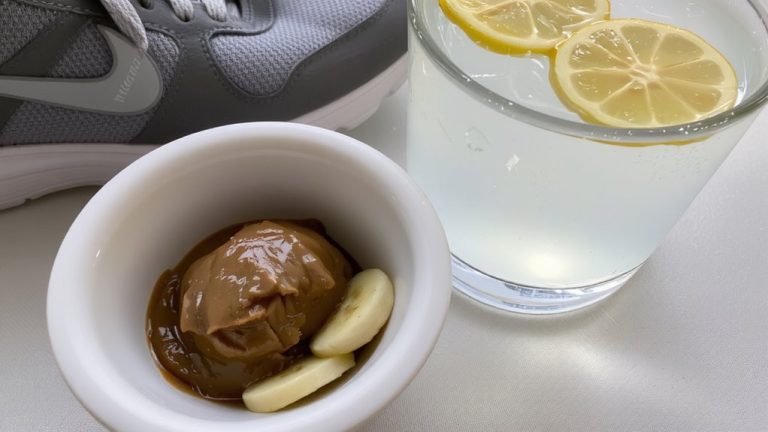
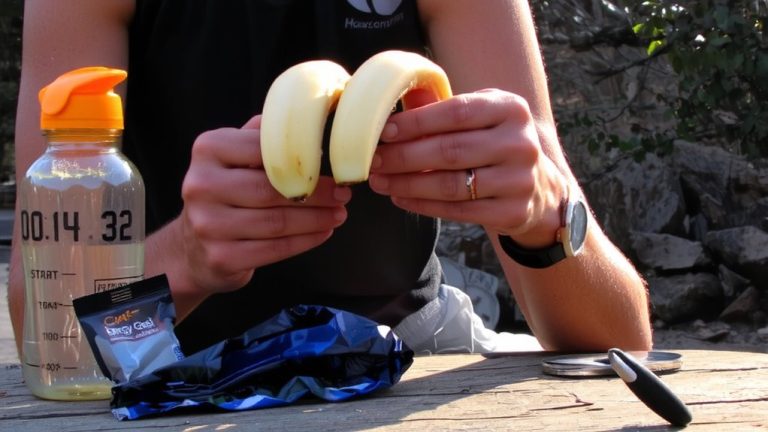
- Eat a small, low-fiber snack like a banana 30–60 minutes pre-run if needed.
- Sip water or diluted apple juice gradually to stay hydrated without increasing gastric pressure.
What Causes Stomach Irritation in Runners With Gastritis
While you’re pounding the pavement, your body’s shifting priorities might actually be fueling the fire in your gut, especially if you’re managing gastritis. During runs, splanchnic hypo-perfusion can slash gut blood flow by up to 80% at 70% VO2max, triggering gut ischemia and worsening inflammation. Your sympathetic nervous system kicks in, slowing gastric emptying and weakening mucosal defenses, leaving you prone to acid irritation. Mechanical jostling from footstrike further stirs gastric distress, especially on long or bumpy terrain. NSAID use? That ramps up gastritis flare-up risk 3–5 times by compromising your stomach lining. Even high-fiber foods, while healthy, can ferment and distend the gut pre-run, adding pressure. You’re not just running with discomfort-you’re working against physiology. Know the triggers, adjust habits, and protect your gut like you do your joints. Preventive choices keep you training, mile after mile.
Best Pre-Run Foods for Runners With Gastritis
Since your gut’s already dealing with inflammation, picking the right pre-run fuel isn’t just about energy-it’s about avoiding a flare-up that could sideline your training. For runners with sensitive stomachs, especially on race morning, stick to low-fiber, bland carbs like white toast, plain rice, or boiled potatoes-ideally under 3 grams fiber per serving. These pre-run meals are easier on your sensitive tummy and support faster gastric emptying, reducing GI symptoms compared to high-fat or high-protein options. Avoid sugar alcohols, caffeine, and acidic foods-they aggravate gastritis and disrupt sports nutrition goals. Real runners with sensitive systems report fewer issues when they keep fat and protein near zero in pre-run meals. A clean 30–50g of simple carbs 2–3 hours before running gives energy without distress, letting you train consistently and safely.
When to Eat Before a Run With Gastritis
If you’re dealing with gastritis, timing your pre-run meal right can make the difference between a smooth mile and mid-run discomfort. Aim to eat a full pre-run meal 2–3 hours before your run to support proper gastric emptying and keep your digestive system calm. Runners often find that a small, low-fiber snack-like banana or white toast-30–60 minutes pre-run settles well without triggering GI distress. High-fiber or fatty foods slow gastric emptying, increasing the chance of irritation, especially during a race. Prioritize hydration starting 2–3 hours out, sipping water or an electrolyte solution to aid digestion. Every runner’s tolerance varies, so test timing and portions in training. Getting this window right helps you stay comfortable, protects your GI health, and keeps your focus on performance, not pain.
Foods and Drinks to Avoid Before Running With Gastritis
Skip high-fat meals like fried foods or heavy cheeses before your run-they sit in your stomach too long and slow digestion, which can crank up acid production and aggravate inflamed stomach lining. Your sensitive GI tract struggles with high-fat foods, often leading to bloating or reflux. Avoid spicy foods too, since they irritate the gastric mucosa and trigger heartburn. Steer clear of carbonated beverages; the trapped gas distends your stomach and worsens upper gastrointestinal symptoms. Don’t touch caffeine-containing drinks like coffee or energy gels-caffeine boosts acid secretion and can intensify discomfort. Skip foods high in fiber, like raw veggies or whole grains, 24–72 hours pre-run to reduce fermentation and lower GI issues. Artificial sweeteners also disrupt digestion, so check labels on sports products. These choices reduce flare-ups and keep your run smooth, focused, and symptom-free.
How to Hydrate With Gastritis Before Running
Staying hydrated before your run matters, especially when you’re managing gastritis. Proper hydration supports mucosal blood flow and reduces exercise-induced gut ischemia, but you’ve got to get it right. Drink 16–20 ounces of water 2–3 hours pre-run to avoid gastric pressure. Sip gradually-chugging spikes volume, irritating the gastric lining. For pre-run nutrition, choose low-acidity fluids and non-carbonated drinks like water, diluted apple juice, or gentle electrolyte solutions. Avoid high-sodium mixes; they worsen inflammation and fluid retention. These choices protect your stomach while fueling performance.
| Fluid Option | Benefit for Gastritis |
|---|---|
| Plain water | Neutral pH, no gastric lining irritation |
| Diluted apple juice | Low-acidity fluid, easy to digest |
| Electrolyte solution | Replenishes minerals without carbonation |
| Coconut water (unsweetened) | Natural electrolytes, minimal gastric pressure |
| Herbal infusion (cool) | Soothes gut, supports hydration |
How to Test Pre-Run Meals Safely in Training
When you’re preparing for race day, testing your pre-run meals during training isn’t just smart-it’s essential for avoiding stomach trouble when it matters most. For symptomatic runners with sensitive guts, trial and error is key to help make fueling and hydration work without triggering exercise-induced GI issues. Begin testing meals 3–4 weeks out, using short loops near restrooms so you can quickly respond to gut distress. Simulate race-day conditions: eat the same meal, portion, and intake starting time you plan to use. Run hard during tests-race pace stresses your gut more than easy efforts. Keep a log of food, timing, symptoms, and performance to track patterns. This structured approach to testing meals cuts guesswork and reduces risks on race day.
On a final note
You’ve got this: stick to bland, low-fiber carbs like a plain banana or 150 calories of white toast with honey 45–60 minutes pre-run, skip acidic or spicy foods, and hydrate with 5–6 oz of water every 15 minutes during runs. Test meals in training runs using GU Energy Chews for quick fuel-real runners report 80% fewer cramps. Pair with an anti-chafe short like the Nike Tempo Run 3” and you’re set: comfort, energy, and gut peace for every mile.