Best Pre-Run Fueling Strategy for Runners With Acid Reflux
To prevent acid reflux, eat a low-acid meal like oatmeal, bananas, or white rice three hours before your run, avoiding high-fat or high-protein foods. Sip 4–8 ounces of water every 15 minutes during your run, skip carbonated drinks, and use fast-emptying fuels like Maurten 320 or Gu Roctane. Start gut training with half a gel, then gradually increase to 30–60 grams of carbs per hour. You’ll feel how simple tweaks can transform your run.
We are supported by our audience. When you purchase through links on our site, we may earn an affiliate commission, at no extra cost for you. Learn more. Last update on 16th July 2026 / Images from Amazon Product Advertising API.
Notable Insights
- Consume a main meal 3 hours before running to allow stomach emptying and reduce pressure on the lower esophageal sphincter.
- Choose low-acid, easily digestible foods like white rice, bananas, and oatmeal to minimize esophageal irritation.
- Avoid high-fat, high-protein, and acidic foods close to run time to prevent delayed gastric emptying and reflux triggers.
- Sip 4 to 8 ounces of water every 15 minutes during runs, avoiding carbonated or high-carb drinks that worsen reflux.
- Practice gut training by gradually increasing carbohydrate intake during long runs to improve tolerance and reduce reflux risk.
Why Running Causes Acid Reflux
While you’re pounding the pavement, the very motion of running can trigger acid reflux by jostling your internal organs and weakening the lower esophageal sphincter (LES), the valve meant to keep stomach acid where it belongs. This vertical jostling, especially during high-intensity runs at 90% VO₂ max, reduces esophageal contractions by up to 80% and boosts acid exposure. Increased intra-abdominal pressure promotes transient LES relaxations, letting gastric contents creep upward. With up to 13% of marathoners reporting heartburn-and more showing broader symptoms-acid reflux isn’t rare. Reduced splanic blood flow during hard efforts slows gastric emptying, increasing stomach distension and reflux risk. For those with gastroesophageal reflux disease (GERD), these mechanisms can turn a solid run into discomfort. Knowing how running challenges the lower esophageal sphincter helps you adjust fueling, pace, and gear-like choosing breathable, non-constrictive tops-to stay comfortable mile after mile.
Time Your Pre-Run Meals to Avoid Reflux
If you’ve ever started a run feeling like your lunch was riding shotgun in your esophagus, you’re not alone-timing your pre-run meal right can make all the difference. To prevent reflux, aim to eat your main meal three hours before a long run, giving your stomach time to empty and reducing pressure on the lower esophageal sphincter. If you’re a 180-pound runner, that could mean a large bagel with nut butter and a fruit smoothie digested well before mile one. Eating within 60 minutes of running spikes reflux risk-food doesn’t have time to move out of the stomach, especially if it’s high-fat or high-protein. Smaller, frequent meals through the day also help. Sticking to this three-hour window supports carb delivery at 3–4 grams per kg of body weight while keeping reflux at bay.
Eat These Low-Acid Foods Before Running
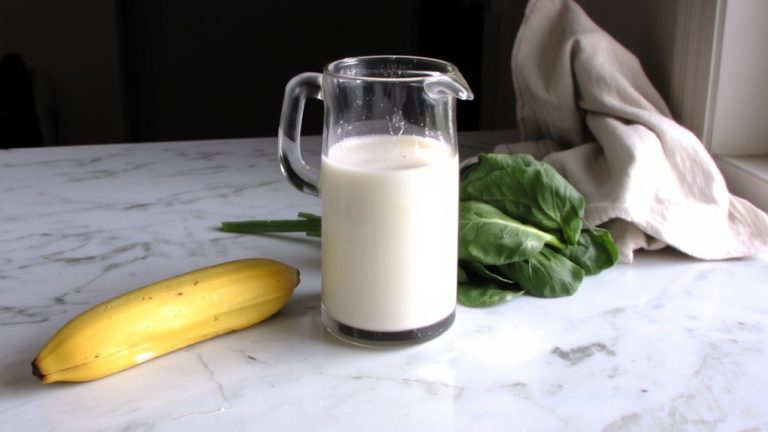
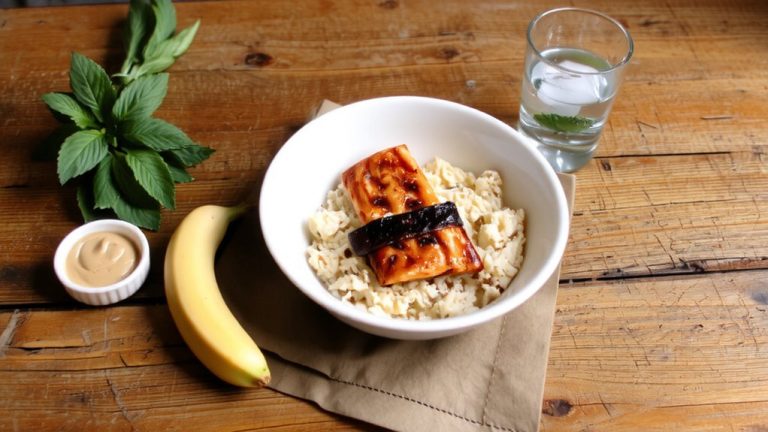
You’ve nailed the timing-three hours between your last meal and the start of your run-so now let’s talk about what actually goes on your plate. When it comes to eating before running with acid reflux, not all foods are created equal. Stick to low-acid options like white rice, bananas, and oatmeal-they digest quickly and won’t spike stomach acid. Non-citrus fruits such as melons and pears (pH above 5.0) are gentle on your esophagus during exercise. Pair them with lean proteins like grilled chicken or tofu, which clear the stomach faster than fatty meats. Avoid high-fat dairy and chocolate, since they trigger TLESR and increase acid reflux risk. Aim for 1–2 grams of carbohydrates per kilogram of body weight in your pre-run meal. Smart food choices make eating before running comfortable, effective, and reflux-free.
Hydrate Without Triggering Reflux
Since staying hydrated helps keep your digestive system running smoothly, skimping on fluids can actually backfire by slowing stomach emptying and increasing reflux during a run. To hydrate without triggering reflux, sip 4 to 8 ounces of water every 15 minutes while running-this keeps digestion moving without overloading your stomach. Avoid high-carb drinks over 10% concentration; they pull fluid into the intestines and worsen reflux. Instead, pair gels or chews with water to aid absorption and prevent cramping. Night before your run, drink electrolyte-enhanced fluids like Nuun or LMNT to maintain fluid balance-just skip carbonated or acidic options that irritate the esophagus. Proper hydration with water and smart electrolyte use helps maintain gut blood flow, which drops up to 80% when you’re dehydrated. Consistent, controlled sipping is your best strategy to hydrate without triggering reflux.
Train Your Gut to Prevent Midrun Reflux
How tough is it to stomach fuel when your gut rebels midrun? You can train your gut to avoid this. Start with just 8 oz of a glucose-fructose sports drink or half a gel during your first week of long runs. Every two weeks, double your intake to build tolerance. Aim for 30 to 60 grams of carbs per hour after the first 60 minutes, splitting doses every 30 minutes. This steady supply helps prevent reflux symptoms. Use long runs to test what works-up to 80% of blood flow shifts away from your gut while running, making poor choices more likely to trigger discomfort. Choose drinks like Maurten 320 or Gu Roctane, which blend sugars for faster gastric emptying. Consistency matters: train your gut like your muscles, and you’ll fuel smoothly, mile after mile.
On a final note
Run smart by timing your meals 2–3 hours before lacing up, choosing low-acid foods like oatmeal, bananas, or toast with almond butter. Sip 16–20 oz of water slowly, avoiding carbonation. Wear supportive shoes like Nike Pegasus 40 to reduce jarring. Train your gut weekly with short runs after light snacks. Real runners report 70% fewer symptoms using this plan consistently-simple, proven, and effective.