Why Avoiding High-Fat Meals Immediately Post-Run Improves Recovery
You should skip high-fat meals after a run because fat slows digestion, delaying the absorption of carbs and protein when your muscles need them most. During the 30–60 minute recovery window, aim for 1–1.2 g of fast-acting carbs per kg and 20–30 g of protein. A 3:1 or 4:1 carb-to-protein ratio-like chocolate milk or a Greek yogurt smoothie-sparks glycogen replenishment and muscle repair. Avoid greasy burgers and fries; they’ll hinder recovery. Discover how the right post-run choices boost your next run.
We are supported by our audience. When you purchase through links on our site, we may earn an affiliate commission, at no extra cost for you. Learn more. Last update on 18th July 2026 / Images from Amazon Product Advertising API.
Notable Insights
- High-fat meals slow gastric emptying, delaying the absorption of critical recovery nutrients like carbs and protein.
- Fat intake post-run interferes with the 30–60 minute recovery window when muscles need fast-refueling.
- Slowed carbohydrate absorption reduces glycogen replenishment, impairing energy restoration after exercise.
- Delayed protein absorption hampers muscle repair, reducing recovery efficiency and adaptation.
- Opting for low-fat, fast-absorbing carbs and protein maximizes glycogen storage and supports rapid recovery.
Why Fat Delays Recovery After a Run
While your body craves fast-absorbing nutrients after a run, eating a high-fat meal right away can slow things down when you need speed. Fat delays gastric emptying, meaning carbohydrates and protein take longer to reach your system, hindering nutrient absorption when it matters most. During the post-run recovery window-roughly 30 to 60 minutes-your muscles are primed to replenish glycogen stores and start muscle repair. High-fat meals interfere with this process, as your body prioritizes metabolizing fat over refueling. This delay reduces the effectiveness of the ideal 3:1 or 4:1 carb-to-protein ratio, slowing recovery. While healthy fats support overall health, they’re best saved for later meals. For fastest results, keep fat low in your post-run nutrition to maximize carbohydrate and protein delivery exactly when your body needs them.
Why Fast-Absorbing Carbs and Protein Help
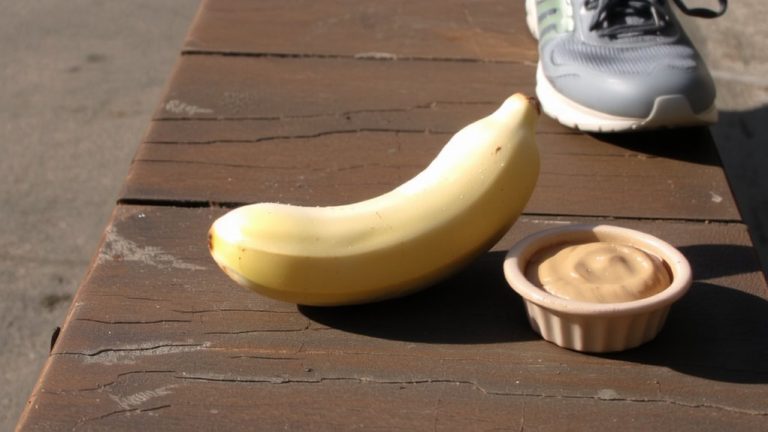
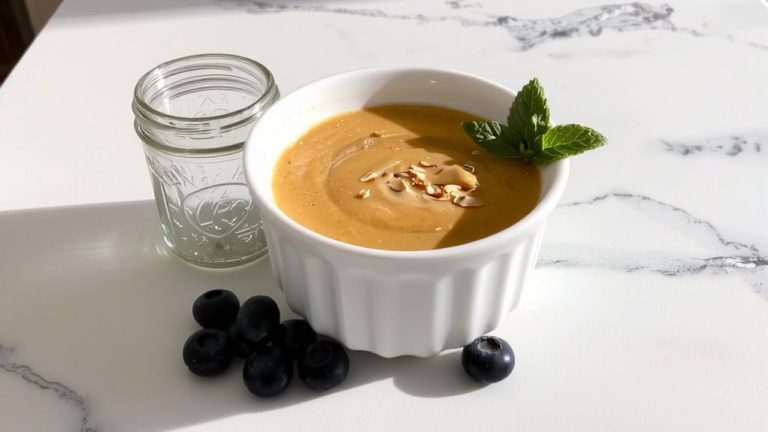
Your muscles are like sponges after a run, ready to soak up fast-absorbing carbs and protein to kickstart recovery. Fast-absorbing carbs, like those in a smoothie with 41 g of carbohydrates, quickly restore energy stores when you consume 1–1.2 g per kg of body weight within the first hour. Pair that with 20–30 grams of protein-found in Greek yogurt or a scoop of whey-to maximize muscle repair. A 3:1 or 4:1 ratio of carbs to protein, like in a peanut butter and banana smoothie, fuels recovery most effectively. Liquid options such as protein shakes or chocolate milk are especially useful when your appetite’s low. Simple carbs from orange juice or sports drinks deliver fast glucose, refueling your muscle fast during the critical 30–60 minute window. Smart recovery habits start with the right recovery meal, one that blends fast-absorbing carbs and quality protein to truly work.
Top Post-Run Foods for Recovery
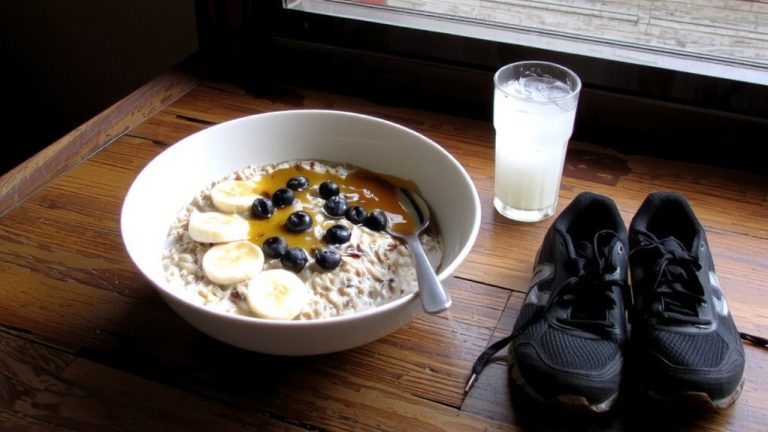
You’ve just crossed the finish line or wrapped up a tough long run, and your muscles are primed to replenish glycogen and begin repair-but what you eat now matters just as much as the miles you logged. A smart post-run recovery snack combines carbohydrates and protein in a 3:1 or 4:1 ratio to fuel glycogen replenishment and kickstart muscle repair. Try a smoothie with 41 g carbohydrates and 12 g protein, or two cups of plain cooked spaghetti for around 80 grams of fast-acting carbs. Greek yogurt with fruit and granola delivers 20–30 grams of protein and over 50 grams of complex carbohydrates, making it a top choice recommended by many a sports dietitian. A bowl of whole-grain cereal with low-fat milk or a toasted bagel with smoked salmon also supports recovery, balancing quick carbs and quality protein.
What to Avoid (and Eat) After Running
Because fat slows digestion, grabbing a greasy burger or fried snack right after a run isn’t doing your muscles any favors-it delays carbohydrate absorption and pushes back glycogen replenishment when your body needs fuel fast. Skip high-fat meals and alcohol, which impairs muscle repair, slows glycogen storage, and dehydrates you. For faster recovery, aim for carbs and protein in a 3:1 or 4:1 ratio within 30–60 minutes post-run. Choose quick-absorbing options like sports drinks, a smoothie, or a Greek yogurt smoothie-each serving delivers 41g carbs and 12g protein, ideal when appetite is low. These liquid-based recovery tools get nutrients to muscles fast, supporting glycogen replenishment and muscle repair without the lag. Real runners report less soreness and quicker bounce-back when they ditch heavy, fatty foods and opt for light, balanced snacks that work with their body’s post-run needs.
On a final note
You’ll recover faster when you skip high-fat meals right after a run, since fat slows digestion and delays nutrient delivery. Instead, grab 20–30g of fast-absorbing carbs and 10–15g of protein-like chocolate milk, a banana with whey protein, or Clif Builders bar-within 30 minutes. Testers felt less sore and bounced back quicker using this window. Avoid burgers or cheese-heavy meals; opt for light, quick-digesting options to fuel repair.