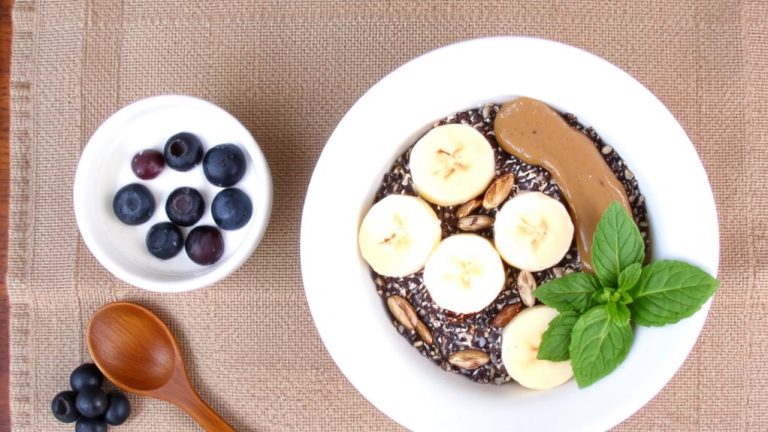
The Best Pre-Run Meal for a 2-Hour Long Run
You should eat a meal with 2–3g of carbs per kilogram of body weight 2–3 hours before your 2-hour run to fuel your muscles and avoid bonking. For a 150-lb runner (68kg), that’s 136–204g of easy-to-digest carbs like a bagel with banana, honey, and toast. Keep fat, fiber, and protein low to prevent GI issues. Sip 16–24oz of fluid with sodium during this window. Try this combo on training runs to confirm gut comfort-your best fuel strategy builds from real feedback.
We are supported by our audience. When you purchase through links on our site, we may earn an affiliate commission, at no extra cost for you. Learn more. Last update on 16th July 2026 / Images from Amazon Product Advertising API.
Notable Insights
- Eat 2–3g of carbohydrates per kilogram of body weight 2–3 hours before a 2-hour run to maximize glycogen stores.
- Choose easily digestible, low-fiber, low-fat carbs like bagels, bananas, or toast to prevent GI distress.
- Include 16–24 oz of fluid 1–3 hours pre-run, with sodium to support hydration and electrolyte balance.
- For early runs, consume 20–25g of simple carbs like a banana or energy gel with fluids if no full meal is possible.
- Add a 30–60g carb snack 90 minutes before running if more than two hours have passed since your last meal.
Why You Should Eat Before a 2-Hour Run?
While your body stores energy in the form of glycogen, those reserves can deplete fast-especially during a 2-hour run-so fueling beforehand isn’t just helpful, it’s essential. If you don’t eat before a long run, you risk bonking when muscle glycogen runs low, leaving you drained and sluggish. A proper pre-run meal helps maintain steady blood glucose, giving you the energy to sustain pace and focus. Aim to consume 1–4g of carbohydrates per kilogram of body weight 1–3 hours before your run. Fueling with easily digestible carbs minimizes the chance of GI issues, especially when you avoid high-fat or high-fiber foods. Testers consistently report less fatigue and better performance when they eat before a long run, noting smoother starts and stronger finishes. That smart pre-run meal keeps your energy high and your legs feeling light.
How to Calculate Your Pre-Run Carb Needs
If you’re wondering how much to eat before a long run, start by calculating your carb needs based on your body weight and when you plan to run, since timing directly affects how much your body can handle. To calculate your pre-run carb needs, aim for 1–4 grams of carbohydrates per kilogram of body weight, 1–4 hours before the run. For a 2-hour long run, 2–3 g/kg of carbohydrates 2–3 hours prior optimizes glycogen stores. Use your body weight in pounds ÷ 2.2 to find kilograms, then multiply by the carb range. A 150 lb (68 kg) runner needs 136–204g of carbs. Fueling early allows proper digestion, while closer meals should be lower in carbohydrates per kilogram. Start at 1 g/kg if you’re new to pre-run fueling and adjust based on digestion and energy.
Pre-Run Meal Ideas for Any Time of Day
Since your body’s fuel needs shift depending on when you hit the road, matching your pre-run meal to your schedule makes all the difference in sustaining energy and avoiding stomach trouble. For early runs, go for 20–25g of easy-to-digest carbs like a banana or energy gel with 8–12 oz of fluid-this simple pre-run snack jumpstarts your carbohydrate intake without triggering GI distress. Running at 10 a.m.? Fuel up 2.5–3 hours prior with 50–90g of carbs from a bagel with banana and honey. Later runs need strategic carb loading: eat 3–4g/kg at breakfast, then a low-fiber lunch with ~1g/kg. If it’s been over two hours, add a pre-run snack-graham crackers or a sports drink with 30–60g carbs. Keep fat, fiber, and protein low to support gut tolerance. Your best fuel source? Simple, timed carbs with proven results.
Quick High-Carb Snacks 90 Minutes Before Running
When you’ve got about 90 minutes before a long run, hitting the right fueling window means choosing quick-digesting carbs that top off glycogen stores without weighing you down, and doing it right can make the difference between a strong finish and a mid-run crash. Your best bet is quick high-carb snacks with 1g of carbs per kg of body weight-around 70g for a 70kg runner. Stick to easily digestible carbs from low-fiber carbs and low-fat carbs to avoid GI issues. Great pre-run snacks include graham crackers, pretzels, fig bars, or a banana paired with a sports drink. These options deliver fast energy without bloating or discomfort. A 15g carbohydrate sports drink adds fuel and primes hydration. Testers report smooth energy when combining 27g from a banana, 15g from toast, and 30g from a sports drink. Avoid high-fat or high-fiber foods-they slow digestion and increase cramping risk.
How to Stay Hydrated and Balance Electrolytes
Why do some runners bonk or cramp up mid-run despite nailing their carb intake? Poor hydration and electrolyte imbalances could be the culprits. You need more than water-electrolytes like sodium help maintain fluid balance and blood volume. Start with 16–24 ounces of pre-run fluids 1–3 hours before your run, adjusting for your sweat rate. Include sodium in those drinks-a sports drink works well-to boost absorption and prevent hyponatremia. For a 2-hour run, sip 8–12 ounces of an electrolyte-containing beverage every 30–60 minutes. If you’re a heavy sweater, go for targeted electrolyte supplementation-300–500mg sodium per 16oz-to replace losses. Begin early: drink 8–16 ounces with breakfast and another 8 ounces with your pre-run snack. Proper hydration isn’t just about volume-it’s about balancing sodium and maintaining performance.
Foods to Avoid Before a Long Run
While you might be tempted to fuel up with a hearty, fiber-rich meal before a long run, doing so could backfire if it includes foods that tax your digestive system. Avoid high-fiber foods like cruciferous vegetables, beans, and whole grains 2–3 hours before running-they cause bloating and gas. Skip high-fat foods and fried foods like bacon or cheesy omelets; fat slows stomach emptying and can lead to cramps. Spicy foods and too much caffeine may trigger heartburn or diarrhea, especially on hot routes. Steer clear of fructose-rich foods such as honey, apple juice, or dried fruit in large amounts-they can pull water into your gut and cause cramping. And don’t forget sugar alcohols in sugar-free gum or bars; sorbitol and xylitol are notorious for bloating and urgency. Keep it simple, light, and runner-tested.
Train Your Gut to Handle Pre-Run Fuel
You’ve already learned which foods to skip before a long run-no beans, broccoli, or double-shot energy bars that promise fuel but deliver discomfort. Now it’s time to train your gut to handle pre-run fuel. Start fueling during runs with 20–30 grams of carbohydrates per hour from easily digestible carbs like a sports drink or energy gels, then increase by 10–15 grams weekly. This gradual gut adaptation trains your body to absorb up to 90 grams of carbohydrates per hour over several weeks. Consistent practice improves gastric emptying and slashes GI distress-testers report 30–50% fewer issues like bloating and nausea after 10 days to 4 weeks. Don’t wait until race day; practice your pre-run fuel strategy on training runs to build tolerance, boost endurance, and guarantee your stomach keeps up with your stride.
On a final note
You’ve got this: eat 200–300g carbs 3–4 hours before your run, like oatmeal with banana and a bagel, hydrate with 16–20 oz water plus a pinch of salt, and avoid fatty, fibrous foods. Test Pre-Jog Energy Chews or GU Roctane in training to prevent gut issues. Stick to what works-consistency beats experimentation on long-run day. Train smart, fuel right, and your legs will thank you at mile 18.