Why Avoiding Spicy Foods Before a Run Prevents Heartburn
You avoid spicy foods before a run because capsaicin slows gastric emptying by up to 30%, keeps stomach acid active longer, and triggers unwanted sphincter relaxations. Running’s jostling motion then pushes this lingering acid upward, worsening reflux. Spicy meals eaten within 60 minutes of a run increase burn risk, especially in those with GERD. Pair this with dehydration or tight waistbands, and irritation flares fast-knowing your pre-run window and fuel choices cuts the burn.
We are supported by our audience. When you purchase through links on our site, we may earn an affiliate commission, at no extra cost for you. Learn more. Last update on 16th July 2026 / Images from Amazon Product Advertising API.
Notable Insights
- Spicy foods delay gastric emptying, increasing stomach acid exposure time and reflux risk during running.
- Capsaicin in spicy foods irritates the esophagus, worsening heartburn when acid backs up.
- Spicy meals trigger transient lower esophageal sphincter relaxations, allowing acid to escape more easily.
- Running soon after eating spicy food combines delayed digestion with abdominal jostling, promoting reflux.
- Avoiding spicy foods within 60 minutes of running reduces irritation and lowers heartburn likelihood.
What Causes Heartburn While Running?
When you’re logging miles, especially at a fast pace or on bumpy terrain, the jostling of your organs and rising pressure in your abdomen can weaken the lower esophageal sphincter, letting stomach acid creep upward. This valve between the stomach and esophagus normally blocks acid reflux, but physical activity like running reduces blood flow to the gut by up to 80%, slowing digestion and making food take longer to digest. That delay keeps stomach acid active longer, increasing the chance it backs up. When acid reflux occurs, it triggers heartburn symptoms-like a burning sensation-as the acid, often with a pH around three, irritates the esophagus. Even on an empty stomach, mechanical bouncing during runs can cause issues, though symptoms worsen within 60 minutes post-meal, especially with heavy or fatty foods.
How Does Spicy Food Trigger Running Heartburn?
Spicy foods can make running heartburn worse, even if you’ve already left the kitchen behind. When you eat spicy foods before a run, compounds like capsaicin can irritate the lining of your stomach and the esophagus, worsening the burning sensation during reflux. Even if they don’t cause reflux directly, they’re known to delay gastric emptying-meaning food sits longer in your stomach, upping the risk of acid creeping upward. Spicy meals within 60 minutes of running are linked to more frequent reflux symptoms, especially as jostling increases abdominal pressure. These foods may also trigger transient lower esophageal sphincter relaxations (TLESRs), which let stomach acid back up. Combined, this leads to more heartburn and discomfort on your miles. Play it safe: skip the spice and choose bland, easily digested pre-run fuel to avoid triggering reflux.
Why Does Running Make Acid Reflux Worse?
Why does your run sometimes come with a side of heartburn? Running increases intra-abdominal pressure, jostling stomach contents and forcing acid upward, especially if you’ve eaten fatty foods or run within two hours after eating. The bouncing motion weakens esophageal contractions and triggers transient relaxations of the lower esophageal sphincter, letting acid escape-heartburn sufferers find this particularly tough. During exercise, up to 80% of blood flow leaves the gut, slowing digestion and worsening reflux risk. Dehydration compounds the issue by delaying gastric emptying, leaving food sitting longer. For those with gastroesophageal reflux disease, these factors amplify symptoms of heartburn mid-stride. Avoiding large meals, especially high-fat or high-protein ones, before running helps. Staying hydrated and timing fuel wisely-ideally two hours after eating-reduces discomfort, letting you focus on pace, distance, and performance, not that burning sensation.
What Should I Eat Before Running Without Heartburn?
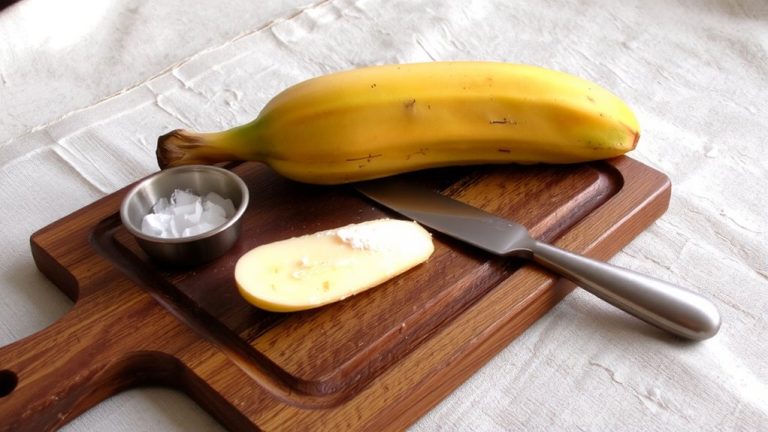
You can still fuel your run effectively without setting off a flare-up of heartburn, even if you’ve struggled with acid reflux during workouts before. Stick to easily digestible carbohydrates like bananas or white rice 1–2 hours prior, since they empty from your stomach faster than high-fat or high-fiber foods likely to cause discomfort. Opt for smaller meals or liquid nutrition-think diluted sports drinks or light smoothies-within an hour, as liquids clear the stomach quicker and reduce pressure. Avoid heavy proteins and fried items that slow digestion and increase stomach retention. Stay hydrated with small sips of water, but skip large fluid volumes that can distend your stomach. Never run on a completely empty stomach, which may worsen acid irritation. And skip chewing gum pre-run-it promotes swallowing air, increasing belching and reflux risk. Choose simple, gentle foods to keep your run comfortable and heartburn-free.
How Long Before Running Should I Eat?
How soon is too soon to hit the pavement after eating? If you’re wondering how long before running should I eat, aim for two to three hours after a full meal. This gives your stomach time to empty, reducing the chance of reflux. Eating too close to your run makes symptoms more likely, especially if it’s high-fat or high-protein, since those take longer to digest-up to four hours. Even worse, exercising right after eating can cause discomfort, cramping, or acid reflux. If you need fuel, a small, easily digestible snack 30 to 60 minutes before is okay, but don’t overdo it. Research shows reflux risk spikes immediately post-meal, so waiting at least 90 minutes lowers your odds. Plan smart, time your meals, and avoid issues before your next run.
How to Stop Heartburn While Running
While you’re focused on logging miles, heartburn doesn’t have to steal your stride-timing your meals and choosing the right pre-run fuel can make all the difference. Wait at least two hours after eating to help prevent reflux, since exercising too soon can trigger heartburn. Avoid spicy foods, chocolate, and high-fat meals-they relax the lower esophageal sphincter and delay digestion. Instead, drink water before and during your run; skip carbonated or high-carb sports drinks that increase stomach distension. Wear loose-fitting gear to reduce abdominal pressure that pushes acid upward. Studies show Gaviscon liquid, taken 15 minutes pre-run, forms a protective barrier and outperforms tablets in preventing exercise-induced symptoms. While proton pump inhibitors treat chronic acid issues, they’re not instant fixes. If you’re experiencing chest pain or a dry cough mid-run, it may be reflux-adjusting your routine now can keep you comfortable and moving.
Daily Habits to Prevent Heartburn When Running
Most runners find staying ahead of heartburn comes down to consistent, manageable habits that keep digestion smooth and discomfort at bay. Eat small, frequent meals throughout the day to reduce pressure on your lower esophageal sphincter, making reflux less likely. Make sure you leave enough time-two to three hours-between eating and running so your stomach empties fully, cutting acid reflux risk by up to 80%. Wear loose-fitting activewear to avoid compressing your abdomen, which can push acid upward. Stay hydrated with water, not carbonated or high-carb sports drinks that cause belching. At night, elevate your head with a wedge pillow or wooden blocks under bed legs to prevent reflux while sleeping. These long term habits keep irritation low. If symptoms persist, see a doctor to rule out underlying conditions.
On a final note
You’ve got this: skip spicy foods at least 3 hours before running to avoid heartburn, stick to bland, low-fat snacks like a banana or toast, and stay upright after eating. Run upright too-slouching worsens reflux. Wear loose-fitting gear like Nike Shorts with moisture-wicking fabric to reduce pressure. If symptoms persist, try antacids or Gatorade’s pH Balance formula. Consistent hydration, smaller meals, and upright posture keep you running strong, mile after mile, without the burn.