How to Combine Carbs and a Little Fat for Sustained Pre-Run Energy
You need carbs and a little fat to power long runs without stomach trouble. Aim for 0.5 to 2 grams of carbs per pound of body weight and 5–10 grams of fat in your pre-run snack, like a bagel with peanut butter or oatmeal with chia seeds. These mix quick energy with steady fuel, helping you avoid crashes. Just eat 1.5 to 2 hours before starting so digestion finishes on time, and you’ll feel how the right balance keeps your legs turning over strong mile after mile.
We are supported by our audience. When you purchase through links on our site, we may earn an affiliate commission, at no extra cost for you. Learn more. Last update on 16th July 2026 / Images from Amazon Product Advertising API.
Notable Insights
- Combine 0.5–2 grams of carbs per pound of body weight with 5–10 grams of fat for balanced pre-run fuel.
- Choose snacks like a bagel with peanut butter or oatmeal with chia seeds for ideal carb-fat ratios.
- Eat carb- and fat-containing meals 2–4 hours before running to allow full digestion.
- Avoid more than 10 grams of fat within 3 hours pre-run to prevent bloating and cramps.
- Use simple carbs 30–60 minutes pre-run; keep fat low to support quick energy without GI distress.
Why Carbs and Fat Work Before a Run
When you’re gearing up for a run lasting more than an hour, pairing carbs with a touch of fat gives you both quick and steady energy, so you don’t crash mid-stride. Carbohydrates fuel your muscles by topping off glycogen stores, delivering immediate energy right when you need it. For a long run, that’s essential-but adding a small amount of fat, like peanut butter, slows digestion just enough to provide sustained energy as glycogen begins to deplete. This combo helps maintain performance, especially past the 90-minute mark. With 0.5 to 2 grams of carbs per pound of body weight and just 5–10 grams of fat, you get steady fuel without delaying gastric emptying. Real runners report less GI distress and fewer energy dips when they balance their pre-run meal this way. You’re not just filling up-you’re strategically preparing your body to perform.
Best Pre-Run Snacks for Energy and Digestion
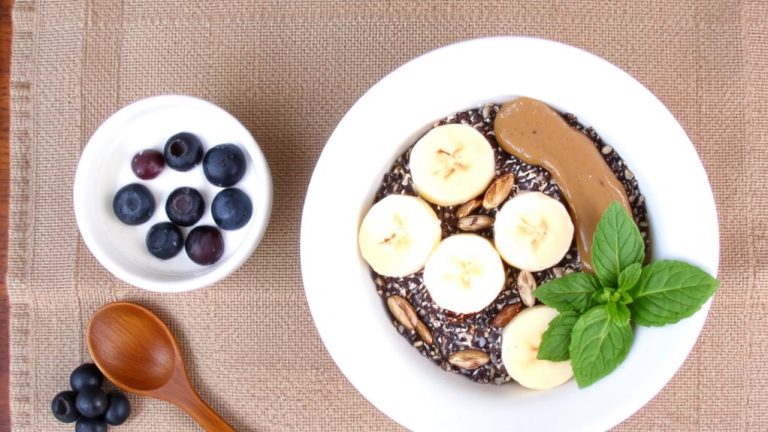
A smart pre-run snack balances energy delivery with digestive comfort, and options like a bagel with peanut butter deliver just that-50 grams of carbohydrates and 8 grams of fat, offering quick glycogen replenishment and sustained energy levels. When you pair complex carbohydrates with a little fat, like toast with almond butter and banana (40g carbs, 6–8g fat), you get steady fuel without GI issues. Smoothies with Greek yogurt, honey, and half a banana (30g carbs, 5g fat) are gentle on digestion and rich in simple carbohydrates for fast energy. Oatmeal with chia seeds (27g carbs, 5g fat) provides prolonged output, while a granola bar (35g carbs, 7g fat) is ideal 1.5–2 hours out. These pre-run snacks align with sports nutrition principles, balancing macros to support performance and smooth digestion.
How Much Fat Is Too Much Before Running?
While you might be tempted to fuel up with a hearty, fat-rich meal before hitting the trail, going overboard can backfire-especially if you’re aiming for a smooth, discomfort-free run. Too much fat before running slows gastric emptying, increasing the risk of gastrointestinal distress like bloating, cramps, or nausea, especially during runs over 60 minutes. High-fat meals with more than 20 grams of fat eaten less than 3 hours prior are likely too much fat, leaving you with incomplete digestion. Since fats take 3–4 hours to digest-versus 1–2 for carbs-it’s best to keep fat intake limited. For pre-run meals, aim for 5–10 grams of fat if eating 2–4 hours before running. This limited fat keeps energy steady without disrupting digestion time or performance.
When to Eat for Steady Pre-Run Energy
How do you time your meals for steady energy when the clock’s ticking before your run? If you’re aiming to consume a balanced meal before a long run or race, eat 2–4 hours prior to give your body enough time to digest. This gives your muscle glycogen stores a chance to top off without risking discomfort. Choose whole grains, a touch of healthy fat-like peanut butter on a bagel-and minimal protein and fat to avoid sluggishness. Throughout the day, focus on eating enough quality carbs and nutrients to support performance. If you’re eating 30–60 minutes before a run, go for simple carbs-banana, energy gel-so your stomach handles it easily. Test timing and portions in training, not on race day. Steady energy starts with smart, timed fueling you can rely on mile after mile.
On a final note
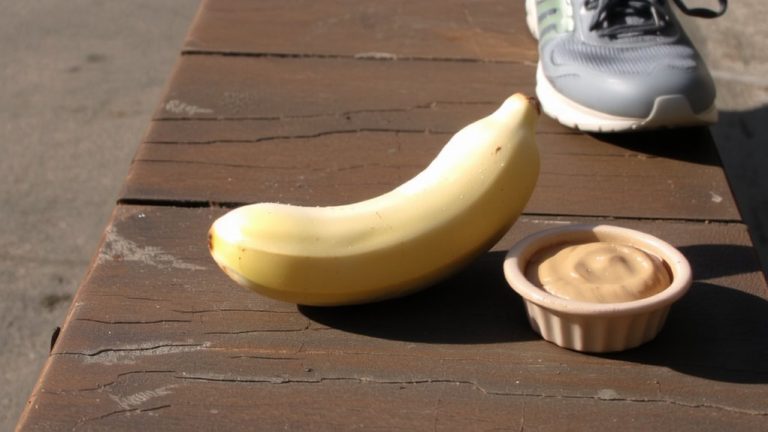
You’ll feel steady, not jittery, when you pair 30–40g carbs with 5–10g fat 60–90 minutes before your run. Try a banana with 1 tbsp almond butter or a granola bar like KIND Soft-Baked with 9g fat max. Too much fat slows digestion, causing side stitches. Test snacks during easy runs first-our testers noted quicker starts and even energy on this combo. It fuels without weighing you down, mile after mile.