How to Use Fruit Juice as a Fast-Acting Pre-Run Carb
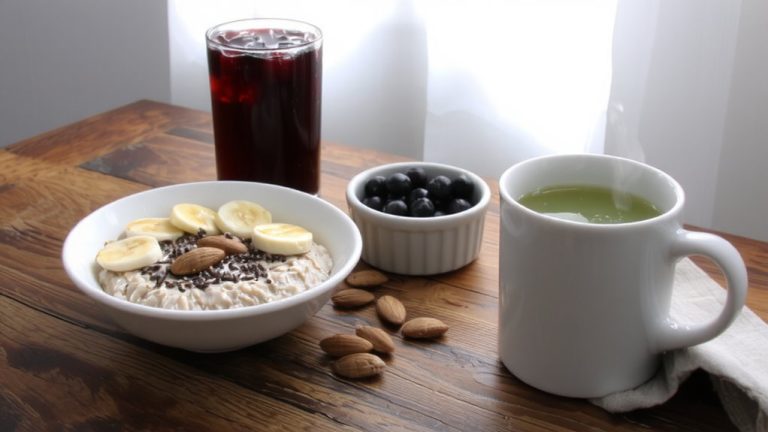
Drink 8 ounces of 100% fruit juice-like orange, pineapple, or beet-one to two hours before running to quickly fuel your muscles with fast-acting carbs, aiming for the two-hour mark if it’s your only pre-run snack to avoid cramping. This provides 25–30 grams of easily digested carbohydrates, plus vitamins, nitrates, or antioxidants that support energy and recovery; just skip juice within 30 minutes of your run to prevent stomach upset. Pair it with a banana or rice cake for balanced energy. Dilute with water and a pinch of salt if you’re sensitive to sugar. The right juice choice makes a noticeable difference in how you feel mile one through five. More smart fueling tips coming up.
We are supported by our audience. When you purchase through links on our site, we may earn an affiliate commission, at no extra cost for you. Learn more. Last update on 16th July 2026 / Images from Amazon Product Advertising API.
Notable Insights
- Drink 8 ounces of 100% fruit juice 1–2 hours before running to allow digestion and prevent cramping.
- Choose orange or pineapple juice for quick carbs, delivering 26 grams per 8 ounces with low fructose impact.
- Combine 8 oz juice with a banana or rice cake for 30–60 grams of fast-acting carbs 30 minutes before running.
- Dilute juice with water (1:2 ratio) and add a pinch of salt to speed absorption and reduce GI discomfort.
- Opt for 100% juice only to avoid added sugars and maximize nutrient content like vitamin C and antioxidants.
When to Drink Juice Before Running
If you’re looking to fuel your run with a quick, natural source of carbs, drinking 8 ounces of 100% fruit juice one to two hours before your run gives you enough time to digest and avoid stomach trouble. Opt for orange juice, especially freshly squeezed, since it’s lower in fructose and packed with vitamin C. Aim for the two-hour mark if it’s your only fuel, giving your body time to process the sugars without cramping. Avoid drinking it within 30 minutes of your start time-high sugar concentration can pull water into your intestines and cause discomfort. If you’ve already had a solid meal, stick to 4–6 ounces of juice to top off glycogen stores without overloading your system. And if you’re drinking juice more than an hour pre-run, pair it with a small protein or fat source, like a hard-boiled egg or a few almonds, to keep your blood sugar steady.
Best Juices for Pre-Run Energy
You’ve nailed the timing-now let’s talk about what juice actually gives you the best bang for your run. Orange juice packs a solid 26 grams of carbohydrates per eight ounces, making it a reliable source of quick energy that matches what you’d get from many sports drinks. It’s also a source of potassium and provides 120 percent of the DV for vitamin C, supporting immune function and recovery. Pineapple juice offers similar carbs and is a solid source of potassium, helping maintain electrolyte balance during runs of moderate intensity and duration. If you’re aiming for endurance, beet juice boosts blood flow with its high nitrate content. Tart cherry juice delivers antioxidants to potentially reduce muscle soreness. And while apple juice gives fast-acting carbs, its high fructose may cause GI issues-so choose wisely based on your stomach’s tolerance and run demands.
Pair Juice With a Light Snack Pre-Run
While juice alone can give you a quick carb boost before a run, pairing it with a light snack fine-tunes energy delivery and helps sustain your effort without weighing you down. For most runners, 30–60 grams of carbs works best 30 minutes pre-run, and combining 8 oz of orange juice with a banana hits about 55 grams-right in the sweet spot. Your body needs fast fuel, not fiber, so low-residue options like rice cakes or saltines with apple juice keep digestion easy. Adding a few almonds introduces minimal healthy fats and a touch of protein, but go light-too much fat slows things down. A splash of fat-free milk in juice can boost carbs and palatability, though it may not suit everyone. As with all fuel strategies, trial and error helps you find what works best for your system, ensuring steady energy with minimal gut trouble.
Why Diluting Juice Prevents Bloating?
Because undiluted fruit juice packs a concentrated punch of sugars-often exceeding 10% carbohydrate density-it can linger in your stomach instead of moving quickly into your intestines where you need the energy, and that delay increases the risk of bloating, cramping, and fluid imbalance. Diluting juice with water-like mixing 1 cup juice with 2 cups water-lowers the carbohydrate concentration, speeding gastric emptying so you absorb carbs faster without gut stress. When the solution isn’t too sugary, your intestines handle it better, reducing bloating and fermentation risk. Adding ¼ tsp salt per cup supports electrolyte balance, helping your body retain fluids where they’re needed. Testers running 5Ks or long intervals reported less discomfort using diluted juice versus straight OJ or apple juice. It’s a simple tweak: diluting juice keeps sugars digesting smoothly, fueling you, not bloating you.
Stick to 100% Juice for Real Benefits
A glass of 100% fruit juice isn’t just a carbohydrate source-it’s a nutrient-rich boost that fuels your run and supports recovery, as long as it’s the real deal. Stick to 100% fruit juice for true nutrient-dense hydration, since juice blends often contain only 10–15% juice and loads of added sugars like high-fructose corn syrup. Just 8 ounces of 100% orange juice delivers 120% of the DV for vitamin C, helping defend against exercise-induced stress. Pomegranate and 100% Concord grape juice pack serious antioxidants-Santa Cruz Organic Concord Grape Juice has more than 1.5 cups of blueberries. Choose fortified juice when possible, as some supply 35% of the DV for calcium or 25% for vitamin D. Skip sugary blends like pomegranate blue-they’re sugar water, not fuel-and may cause GI distress on the run.
On a final note
Drink 100% fruit juice 15–30 minutes before your run for fast carbs, aiming for 15–30 grams of sugar-about 4 to 8 ounces-diluted with water to prevent stomach upset. Pair with a small snack like a banana or toast for balanced energy. Test options like apple, grape, or orange juice during training, not race day. Real runners report less sloshing and steady energy with diluted juice, making it a simple, effective fuel.