Why Avoiding Protein Bars Before a Run Prevents Digestive Issues
You skip protein bars before runs because ingredients like chicory root, maltitol, and whey slow digestion, pull water into your gut, and ferment in the colon-causing bloating, cramps, and diarrhea, especially when blood flow shifts away from your stomach during exercise. With 71% of endurance athletes reporting GI issues from high-fat, high-FODMAP bars, choosing low-fiber, low-fat snacks like bananas or CLIF Energy Bars keeps your gut calm and energy steady. Better choices exist for fueling without the fallout.
We are supported by our audience. When you purchase through links on our site, we may earn an affiliate commission, at no extra cost for you. Learn more. Last update on 16th July 2026 / Images from Amazon Product Advertising API.
Notable Insights
- Protein bars often contain chicory root or sugar alcohols that ferment in the gut, causing gas and bloating during runs.
- FODMAPs like fructans and lactose in protein bars draw water into the intestines and trigger cramps and diarrhea.
- High protein content slows gastric emptying, diverting blood to digestion and increasing discomfort during exercise.
- Sugar alcohols such as maltitol are poorly absorbed, leading to osmotic diarrhea even in small amounts.
- Choosing low-fiber, high-carb snacks like banana or white toast avoids gut irritation and fuels muscles efficiently.
Why Protein Bars Upset Your Stomach Before Running
While you might think a protein bar is a quick, filling pre-run snack, it could be setting you up for stomach trouble, especially if it contains ingredients like chicory root, maltitol, or whey protein. These common protein bars additives interfere with digestion and absorption, often causing gut issues mid-run. Chicory root and sugar alcohols like maltitol ferment in the colon, drawing in water and gas, which can cause bloating and cramps. Whey protein and legume-based proteins may contain lactose and oligosaccharides that also trigger discomfort. With up to 71% of long-distance runners reporting gastrointestinal distress, it’s smart to avoid high-fat, high-protein bars within 3 hours of a run-they slow gastric emptying and increase nausea risk. Choose simpler snacks instead, like a banana or toast with honey, to fuel your run without side effects.
How FODMAPs Cause Gut Distress During Exercise
Because your gut works harder during a run, especially beyond 60 minutes, feeding it high-FODMAP ingredients like those in many protein bars can spell trouble. FODMAPs-such as fructans in wheat, galacto-oligosaccharides in legumes, and lactose in whey concentrate-are poorly absorbed, drawing water into your digestive system and fermenting rapidly in the colon. This gut fermentation produces gas, bloating, and cramping, worsening exercise-induced gastrointestinal distress. When you run, blood flow shifts away from digestion, making it harder to process these fermentable carbs. Up to 71% of long-distance runners report GI symptoms, and high-FODMAP protein bars can trigger them. Even if you think you’re sensitive to gluten, research shows FODMAPs-not gluten-may be the real culprit behind bloating and diarrhoea during runs.
Why Fat and Protein Slow Digestion Pre-Run
If you’re reaching for a protein bar before a run, you might want to reconsider-those bars packed with 15–20 grams of protein and 8–12 grams of fat can linger in your stomach long after you’ve started moving. High-fat and high-protein foods slow gastric emptying, meaning your body diverts blood to digestion instead of your muscles, which can hinder performance. Protein takes longer to break down than carbs, and when combined with isolated fibres, it resists quick digestion, often leading to bloating or cramps-up to 71% of endurance athletes report issues. Fats also delay carb absorption, limiting fuel during intense efforts. While protein supports muscle repair, it’s not ideal right before a run. Skip bars high in fructose or loaded with isolated fibres; they won’t help reduce discomfort. For steady energy and comfort, choose low-fiber, carb-focused snacks without heavy fat or protein.
How Sugar Alcohols Trigger Bloating and Diarrhea
A common ingredient in many low-sugar protein bars could be sabotaging your run-sugar alcohols like maltitol and sorbitol aren’t fully absorbed in your small intestine, so they travel to the colon where gut bacteria ferment them, producing gas that leads to bloating and discomfort. That fermentation also increases osmotic load, pulling water into your gut and often triggering diarrhea, especially when you’re active. Maltitol, found in many bars labeled “sugar-free” or “low-carb,” can cause issues at doses as low as 10 grams-just one bar. Up to 71% of endurance athletes report GI distress, and sugar alcohols are a known culprit due to their natural laxative effect. Cutting out polyols, a category that includes sugar alcohols, during a six-day low-FODMAP diet has helped athletes considerably reduce bloating and diarrhea. Skip maltitol-heavy bars to avoid mid-run discomfort.
What to Eat Instead: Best Pre-Run Snacks
When you’re lacing up for a run, your pre-workout snack should fuel your legs, not upset your gut, and that means choosing simple, low-residue carbs that clear your stomach quickly. For runs under 30 minutes, grab a banana or white toast with honey-these carbohydrate foods deliver about 15–20 grams of quick energy without bloating. If you’re hitting the pavement for over an hour, a CLIF Energy Bar 1–2 hours prior gives you 27–30 grams of carbs from rice syrup and oats, proven to sustain energy and reduce digestive issues. Instant oatmeal made with water and a drizzle of maple syrup offers ≈28 grams of gentle, slow-release fuel. Skip dairy products and high-fiber picks-they slow digestion and can cause cramps. White rice cakes with honey are another solid option, packing ≈20 grams of easy-to-digest carbs, low in fat, fiber, and protein.
When It’s Safe to Eat Protein Bars Around Runs
You’ve already nailed the smart pre-run choices-banana, toast with honey, or a CLIF bar 1–2 hours out-all light, low-residue carbs that power your stride without weighing you down. When it comes to protein bars, timing and type matter. Most bars are safe 3–4 hours prior to training and racing, especially if they’ve got less than 10 grams of protein and minimal sugar alcohols. High-protein bars, especially those with over 20 grams or lots of chicory root, need more digestion time-best avoided within 2 hours. Your fitness level influences gut tolerance, but even seasoned runners can get hit with bloating if they misjudge. Post-run, or during low-intensity recovery, bars are easier to handle. If you’re prone to IBS or FODMAP sensitivity, stick to after training when gut motility slows, reducing symptom triggers.
How to Choose a Low-FODMAP, Easy-to-Digest Bar
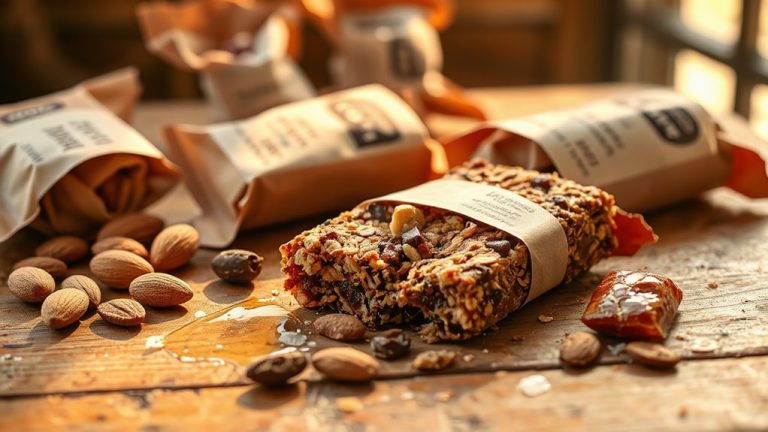
Look for protein bars clearly labeled low-FODMAP, since these are formulated to minimize digestive upset during runs-check the ingredients to skip high-FODMAP triggers like chicory root, lentils, and whey protein concentrate, all known to cause gas and bloating in sensitive athletes. Choose low-FODMAP, easily digestible protein bars sweetened with glucose or maple syrup, not maltitol or sorbitol, which ferment in the gut and may cause diarrhoea in up to 71% of runners. Pick bars with gluten-free oats or brown rice protein, as whole food ingredients break down faster than isolated fibres or mycoproteins. Avoid options with more than 5g fibre or 10g protein per serving to reduce gastrointestinal distress. Finally, confirm the bar is lactose-free and avoids high-fructose additives-testers report up to 70% better gut tolerance with these tweaks. Your run will feel smoother, lighter, and more comfortable when you choose wisely.
On a final note
Skip protein bars before runs to avoid cramps and bloating, especially if they contain high FODMAPs, sugar alcohols, or more than 5g of fat or protein. These slow digestion and shift blood flow from muscles to gut, causing distress. Instead, try a half banana with 1 tablespoon of honey 30–45 minutes pre-run-real runners report faster energy, zero sloshing. Save bars for recovery, and pick low-FODMAP options like Clif Bar Minis when needed.