How to Eat Before a Race When You’re Stressed
When you’re stressed, eat easy-to-digest carbs like white rice, banana, or a sports drink 3–4 hours before race time to avoid bloating and support steady energy. Nerves slow digestion, so stick to familiar, low-fiber foods you’ve tested in training-think toast with jam or a smoothie. If solids feel heavy, go liquid: a banana smoothie or 100–250g carb shake digests fast. Sip a 15–20g carb sports drink with sodium, skip fructose and sugar alcohols, and keep portions small to prevent sloshing-your gut will thank you when the gun goes off.
We are supported by our audience. When you purchase through links on our site, we may earn an affiliate commission, at no extra cost for you. Learn more. Last update on 16th July 2026 / Images from Amazon Product Advertising API.
Notable Insights
- Choose easy-to-digest carbs like white rice, bananas, or low-fiber cereal to minimize GI distress when stressed.
- Finish your main meal 3–4 hours before the race to allow full digestion and reduce bloating.
- Stick to familiar foods tested in training to keep your stomach calm and avoid unexpected reactions.
- Opt for liquid meals like smoothies or sports drinks if solids feel heavy due to pre-race nerves.
- Sip sports drinks with balanced carbs and sodium instead of high-sugar options to stay hydrated without discomfort.
Choose Easy-to-Digest Carbs for Your Pre-Race Meal
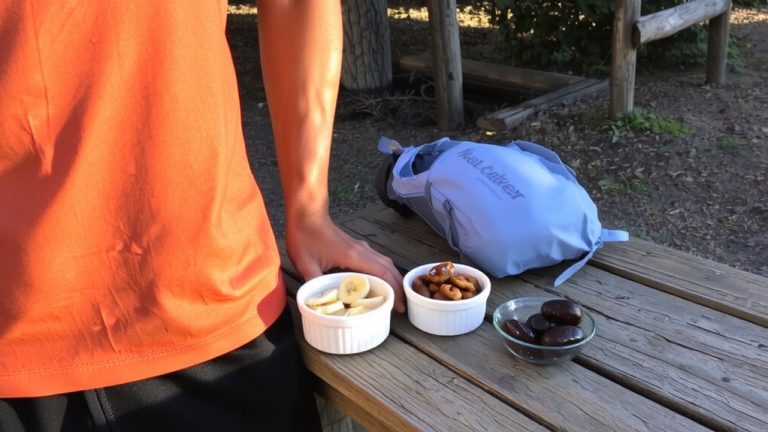
Carbs are your best friend when it comes to fueling up before a race, especially if nerves are already acting up. You want easy-to-digest carbs that won’t sit in your stomach or cause GI distress-think simple carbs like white rice, bananas, or low-fiber cereal. These low-fiber options promote faster gastric emptying, so your body gets energy quickly without bloating or cramps. Aim for 1.5–4 grams of carbs per kilogram of body weight in your pre-race meal, tailored to how much time you have. If solid food feels heavy, go liquid: sports drinks, smoothies, or gels offer rapid fuel and are gentler on digestion. They’re tested by runners and proven to support gut comfort during high-intensity effort. Skip high-fructose foods and sugar alcohols-they slow gastric emptying and may trigger diarrhea. Stick to simple carbs, keep fat and protein low, and you’ll stay strong from start to finish.
Eat Early to Avoid Nerves and Bloating
When your nerves start kicking in, which they almost always do before a big race, eating too close to the start line can turn your gut into a pressure cooker of bloating and discomfort. That’s why timing your prerace meals matters just as much as what you eat. Aim to finish your main meal 3–4 hours before the start to maximize digest time and reduce the risk of stomach issues. Nerves slow gastric emptying, especially when adrenaline kicks in, so eating early helps avoid undigested food bouncing around in your gut. Consume 1.5–4 grams of carbohydrate per kilogram of body weight-about 280g for a 70kg runner-to top up glycogen stores. This approach supports performance without weighing you down, keeping you light on your feet when it counts.
Stick to Familiar Pre-Race Foods Under Stress
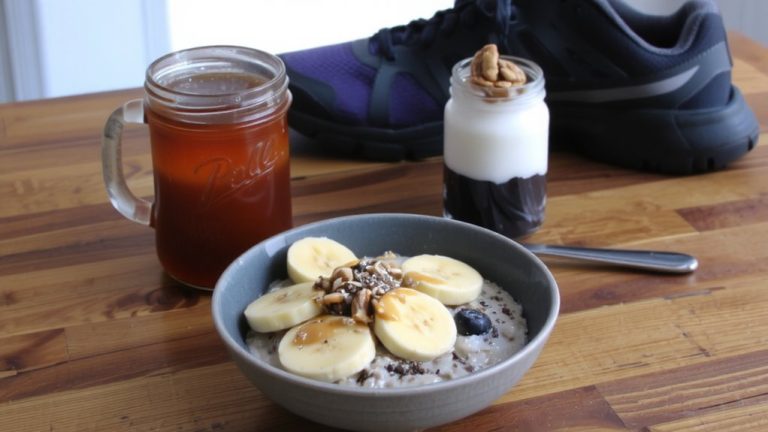
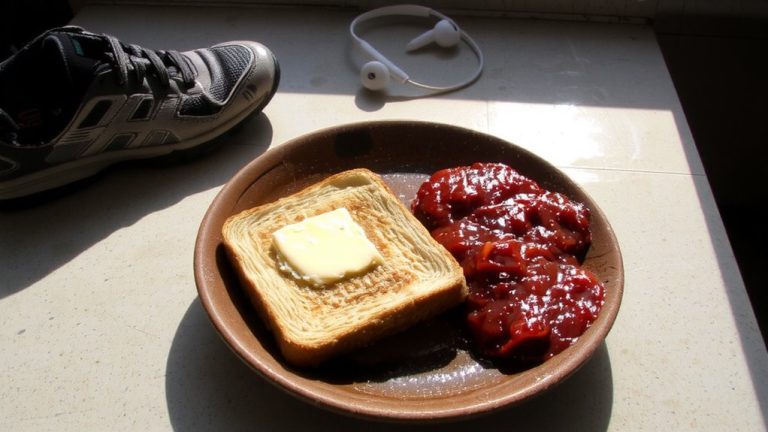
Even if your stomach feels like it’s doing somersaults before the race, sticking with foods you’ve already trained with can make all the difference. Your body knows how to handle familiar meals, keeping your digestive tract calm when stress hits. On race day, don’t try new sports gels, drinks, or high-fiber foods-these can trigger diarrhea or cramps, especially under pressure. Instead, make sure you eat a low-fiber, high-carb meal (1.5–4 g/kg body weight) 2–3 hours before start time. Stick to bland options like white rice, toast with jam, or a banana-they’re less likely to backfire. You’ve practiced this during long runs, so trust the routine. It helps prevent low blood sugar and keeps energy steady. A tested plan keeps your gut quiet and your focus sharp when it matters most.
Try a Liquid Pre-Race Meal If Solids Feel Heavy
If your stomach’s tied in knots on race morning, a liquid meal might be your best bet for getting fuel onboard without the discomfort, especially when solid foods feel like too much to handle. Liquid pre-race meals like smoothies or a sports drink empty faster, giving you energy and without the heavy feeling. They’re ideal when you’ve got less time to digest-say, 60–90 minutes pre-race. A sports dietitian often recommends 100–250 grams of carbs from low-fiber, low-fat liquids to keep your body fueled. Test them in training to avoid surprises.
| Option | Grams of Carbs | Time to Digest |
|---|---|---|
| Sports drink (500ml) | 30g | 15–30 min |
| Banana smoothie | 150g | 45 min |
| Oat milk shake | 200g | 60 min |
| Commercial shake | 180g | 50 min |
| Fruit juice blend | 100g | 20 min |
Fuel Your Pre-Race Hydration Like a Pro
Since hydration plays just as critical a role as nutrition in race-day performance, treating your fluids like strategic fuel can make all the difference-you’ll want to sip 24–30 ounces of a sports drink throughout the morning, choosing one with 15–20 grams of carbohydrates and 100–200 mg of sodium per 8 ounces to keep energy steady and electrolytes balanced. Start hydrating early, and aim for 20–24 ounces of fluid per pound lost post-training to arrive race-ready. Pair your drink with familiar foods like a sports bar, peanut butter on toast, or nut butter with fresh vegetables-foods rich in complex carbohydrates and moderate in protein. Keep in mind that sugar-free foods with sugar alcohols can upset your stomach, even in drinks, so stick to tried-and-true formulas. Consistency beats volume: sip steadily, not excessively, to avoid sloshing or discomfort.
Skip the Sugar: Avoid Gut Bombs Before Race Start
What if the energy boost you’re chasing before race start is actually setting you up for a meltdown? Poor Prerace Nutrition-especially high-sugar meals-can trigger reactive hypoglycemia, leaving you dizzy within 30–45 minutes. Fructose-rich foods and sports drinks slow gastric emptying, increasing the risk of gastrointestinal distress. Even sugar-free gums may backfire, loaded with sugar alcohols that ferment and cause gas under stress. Here’s how to skip the gut bombs:
| Avoid This | Choose This |
|---|---|
| High-sugar meals | Toast with honey (small portion) |
| Fructose-rich foods | Bananas (half prior to start) |
| Sugary sports drinks | Electrolyte mix with 6% carb solution |
| Sugar-free gums | Plain water or herbal tea |
| High-fructose sports drinks | Glucose-based gels (1:1 fructose-glucose) |
Stick to low-fiber, low-fat, moderate-carb options to prevent nausea, cramps, and unwanted pit stops.
On a final note
You’ve got this, just stick to simple carbs like white rice or a banana, eaten 2–3 hours before start time. If nerves strike, try a sports drink like Skratch Labs (8% carbs, electrolytes) for lighter fuel. Avoid fiber, fat, and sugar-heavy bars-they’re gut bombs. Use familiar foods, stay hydrated with 16–20 oz water, and trust your prep. Your gut, pace, and finish line will thank you.