How to Refuel After a Marathon With a Balanced Recovery Plate
Refuel within 30 minutes with a balanced plate of 80g carbs and 20g protein at a 4:1 ratio to reload glycogen and repair muscle fast. Choose quick-absorbing options like chocolate milk, a smoothie with protein powder, or half a bagel with peanut butter. Add tart cherry juice and blueberries to reduce soreness, plus salmon for omega-3s that fight stiffness. Swap plain water for a sodium-rich sports drink-aim for 500mg/L-to rehydrate efficiently. Include spinach and almonds to support immunity during the post-race dip, and keep fueling every few hours depending on your next run’s timing. You’ll recover smarter with each strategic bite.
We are supported by our audience. When you purchase through links on our site, we may earn an affiliate commission, at no extra cost for you. Learn more. Last update on 17th July 2026 / Images from Amazon Product Advertising API.
Notable Insights
- Consume 80g carbs and 20g protein within 30 minutes post-marathon for optimal glycogen replenishment and muscle repair.
- Choose liquid nutrition like chocolate milk for fast absorption and dual glycogen restoration in muscles and liver.
- Rehydrate with 500ml sodium-rich sports drink immediately to replace electrolytes lost through sweat.
- Include anti-inflammatory foods such as tart cherry juice, ginger, turmeric, and blueberries to reduce soreness.
- Build a balanced recovery plate with salmon, leafy greens, complex carbs, and healthy fats to support immunity and repair.
Refuel in the First 30 Minutes After Your Marathon
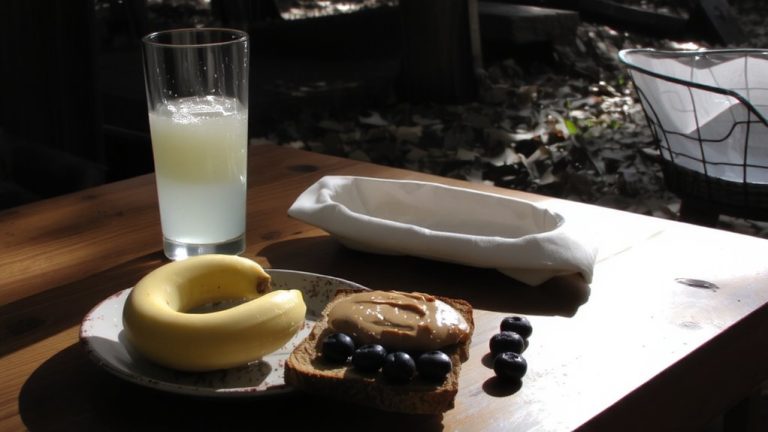
While your legs might feel like jelly and the finish line chaos swirls around you, getting the right mix of nutrients in the first 30 minutes after your marathon can make a real difference in how quickly your body bounces back. This is your golden window to refuel your body, so don’t wait. Aim for 80 grams of carbs and 20 grams of protein within the first 30 minutes-that 4:1 ratio boosts glycogen stores and supports muscle repair. Liquid options like chocolate milk are ideal-testers report faster absorption, less stomach upset, and better recovery. The combo of glucose and fructose in chocolate milk helps replenish both muscle and liver glycogen at once. Real runners consistently rate chocolate milk higher for taste and effectiveness compared to shakes. Mix in a smoothie with protein powder or a shake with half a bagel if you prefer alternatives, but hit that carbs and protein target fast.
Rehydrate After Your Marathon With Electrolytes
If you’re feeling sluggish or cramp-prone after crossing the finish line, chances are your body’s low on fluids and key electrolytes, so rehydrating the right way matters just as much as refueling. To effectively rehydrate, replace 1.5 liters of fluids for every 2 pounds of body weight lost. Within 30 minutes post-marathon, drink 500ml of a sodium-rich sports drink to replenish key electrolytes. Sweat can contain over 1,000mg of sodium per liter, so water alone won’t cut it-opt for a balanced sports drink or add electrolyte mixes to water. Keep sipping fluids every 5–10 minutes until your urine is a light straw color.
| Fluid Goal | Electrolyte Focus |
|---|---|
| 1.5L per 2 lbs lost | Sodium (≥500mg/L) |
| 500ml within 30 min | Chloride replacement |
| Sip every 5–10 min | Use sports drink or mix |
| Check urine color | Avoid plain water only |
Eat These Foods to Reduce Muscle Soreness
Now that you’ve tackled rehydration with sodium-packed drinks and kept fluids flowing until your urine runs clear, it’s time to shift focus to calming your muscles from the inside out. Sip 8 oz of tart cherry juice post-marathon-it’s loaded with anthocyanins that reduce inflammation and muscle soreness by up to 30%. Add 1–2 grams of ginger to your post-race meal; it can lower DOMS severity by 25%. Sprinkle turmeric into dishes or take 500–1,000 mg curcumin to block NF-kB inflammatory pathways. Eat blueberries within two hours-they’re rich in polyphenols that ease soreness and oxidative stress. Then, eat fatty fish like salmon twice in 48 hours for omega-3 fatty acids (EPA and DHA), which fight stiffness by modulating inflammation. These real-food fixes help you recover stronger, faster, and with less ache.
Boost Immunity With Nutrient-Rich Recovery Meals
Your post-marathon meal isn’t just about refueling-it’s your first line of defense in protecting your immune system after hours of endurance stress. You need foods and drinks rich in antioxidants, omega-3s, and key vitamins to fight inflammation and support recovery. Reach for salmon, spinach, and almonds-they deliver vitamin E, folate, and polyphenols that boost immune cell function. Within 30–60 minutes, aim for 20–25 grams of protein and 60–75 grams of carbs to replenish muscle and liver glycogen fast, lowering cortisol and free-radical damage. Tart cherry juice twice daily helps reduce soreness and strengthens resilience, thanks to its anthocyanins. Pair carbohydrates and protein smartly-like a smoothie with greens, Greek yogurt, and fruit-to maximize glycogen uptake. If whole foods fall short, a greens powder or multivitamin can maintain vitamin D, zinc, and glutamine levels, critical during the 3–72 hour “open window” when immunity dips.
When to Eat Based on Your Next Run
Timing your post-marathon fuel right means matching your recovery eats to when you’re lacing up again, and getting this piece right can make or break your readiness. If your next hard effort is within 8 hours, eat something with 1.1–1.2 g/kg of carbs and 25–30 grams of protein in the first hour, then keep hitting 1.1–1.2 grams of carbs per kg each hour for the next 4 hours following. For a run 12–18 hours out, make sure you get a meal with similar grams of carbs and 25–30 grams of protein within 1–2 hours post-race. When you’ve got 24+ hours, focus on total daily intake-1.6–2.2 g/kg of carbs and 20–30 grams of protein every few meals. High-mileage runners, consume 30–60 grams of carbs before bed if your next hard session is intense and your post-run fuel was light.
Build a Recovery Plate That Fights Fatigue and Inflammation
Recovery doesn’t stop at when you eat-it’s what you put on your plate that determines how well your muscles rebound and inflammation settles after 26.2 miles. For your post-run meal, aim for 20–25 grams of protein or 0.25g per kilogram of body weight to jumpstart muscle repair. Pair this with carbs in a 3:1 ratio-about 0.5g of carbohydrate per pound of body weight-using starchy, glucose-based choices like rice or potatoes to effectively replenish glycogen. Prioritize leucine-rich sources like whey, eggs, or salmon; whey is a preferred source, especially in a protein shake. If opting for solid food, add anti-inflammatory options like blueberries or tart cherry juice to support blood flow and reduce soreness. These choices enhance recovery and keep fatigue at bay.
On a final note
Recover fast by refueling within 30 minutes using a balanced plate: 30g carbs, 15g protein, healthy fats. Reach for chocolate milk, bananas, or a salmon-and-quinoa bowl. Rehydrate with 16–24 oz electrolyte drink like Nuun or Skratch Labs. Add tart cherry juice to reduce soreness. Eat zinc- and vitamin C-rich foods to support immunity. For back-to-back runs, eat every 2–3 hours. Your body will rebound stronger, faster, ready for the next training block.