Why Avoiding Alcohol After a Run Speeds Recovery
Avoiding alcohol after a run speeds recovery by preventing a 24% drop in muscle protein synthesis and blocking mTORC1 signaling needed for repair. It helps you rehydrate faster, since beer inhibits ADH and requires 32 extra ounces of water per two beers. You’ll replenish glycogen better, sleep more deeply, and skip the 3 a.m. wake-up. No alcohol means less soreness, fewer cravings, and real progress-especially after long runs. There’s more to optimize your post-run routine, down to the right electrolyte ratios and timing.
We are supported by our audience. When you purchase through links on our site, we may earn an affiliate commission, at no extra cost for you. Learn more. Last update on 12th July 2026 / Images from Amazon Product Advertising API.
Notable Insights
- Alcohol suppresses mTORC1 signaling, reducing muscle protein synthesis by up to 24% post-run.
- It displaces carbohydrate intake, slowing glycogen replenishment in muscles and liver.
- As a diuretic, alcohol inhibits ADH, increasing fluid loss and delaying rehydration.
- Alcohol fragments sleep and reduces REM cycles, impairing growth hormone release and recovery.
- It triggers cravings and poor food choices, promoting fat storage over muscle repair.
Why Alcohol After Running Slows Your Recovery
While you might be tempted to crack open a beer after hitting the pavement, doing so can seriously hinder how well your body bounces back. Alcohol impairs muscle recovery by suppressing mTORC1 signaling, slashing protein synthesis by up to 24% even if you’ve eaten enough protein post-run. Testers consuming 5–6 drinks (about 1g ethanol/kg) reported heightened quad and hamstring soreness, peaking at 48 hours. That beer also sabotages glycogen storage-alcohol displaces carb intake and slows replenishment in both muscles and liver, delaying energy restoration. On top of that, it disrupts hormone balance, suppressing testosterone and boosting cortisol, which undermines repair. If you’re logging serious miles, especially long or intense runs, skipping alcohol helps maintain adaptive gains, reduce soreness, and keep recovery on track. Your refuel routine should focus on carbs, protein, and time-not hops and ethanol.
Alcohol Worsens Dehydration and Delays Rehydration
Because alcohol shuts down antidiuretic hormone (ADH), your body loses fluids faster after a run, turning mild dehydration into a bigger problem. Alcohol worsens dehydration by acting as a diuretic, increasing urine output and reducing blood volume, which hampers oxygen delivery and raises cramping risk. Even if you drink water, alcohol delays rehydration-each alcoholic beverage with over 4% ABV can block fluid balance restoration, requiring up to twice the amount in water to recover. For example, after a 5-mile trail run in 80°F heat, testers who had two beers needed 32 extra ounces of fluid to stabilize compared to those who skipped alcohol. Since alcohol-induced diuresis continues during recovery, sip an electrolyte drink like Nuun or Liquid IV before considering any alcohol. Staying ahead of fluid balance means faster recovery, better stamina, and smarter training-skip the beer, reclaim your edge.
How Beer Blocks Muscle Repair After a Run?
After you crush a tough run, your muscles are primed to rebuild, but grabbing a beer right away can derail that process faster than you think. Alcohol affects muscle protein synthesis (MPS) by slashing it up to 24%, even if you’ve eaten enough protein. It suppresses mTORC1 signaling, essential for myofibrillar protein synthesis, delaying repair. Testers reported worse soreness at 48 hours, especially in quads and hamstrings.
| What You Want | What Beer Does |
|---|---|
| Faster recovery | Slows muscle repair |
| Reduced soreness | Increases pain |
| Maximum MPS | Drops synthesis by 24% |
| Hormone balance | Lowers testosterone |
| Fuel restoration | Stores carbs as fat |
Delay that beer-your gains depend on it.
Alcohol Fuels Cravings: And Missed Recovery Nutrients
That post-run beer might seem like a well-earned reward, but it’s quietly setting you up for poor recovery choices. Alcohol increases cravings by lowering inhibitions and overstimulating your brain’s reward center, making you more likely to grab greasy pizza than a balanced meal. With 14 grams of alcohol per standard drink-each gram packing 7 empty calories-you’re adding energy without any recovery nutrients. These calories don’t help rebuild muscle or refill glycogen stores. In fact, the carbs in beer are often stored as fat, not used for fuel resynthesis. High alcohol content also skews food choices, leading to high-sugar, high-fat snacks that delay recovery. Even if you eat protein, alcohol suppresses mTORC1 signaling, reducing muscle repair. Skip the drink, hit a carb-protein combo instead-it’s smarter fueling.
Drinking After Running Ruins Sleep and Next-Day Performance
What if the reason you’re dragging the day after a run isn’t the miles-but what you drank post-run? Alcohol might help you fall asleep faster, but it wreckles your sleep quality, slashing REM cycles needed for mental clarity and physical recovery. You might wake up suddenly at 3 a.m., restless and wired, thanks to your brain over-correcting. That fragmented sleep blocks growth hormone release, slowing muscle repair and weakening recovery. Even one drink after running harms sleep architecture, leaving you less sharp and sluggish the next day. Your athletic performance drops-endurance fades, effort feels harder, and reaction time lags. Over time, these sleep dips stack, dulling training gains. Skip the post-run beer; your sleep, recovery, and athletic performance all depend on it. Rest deep, run strong.
One Beer After Running? More Soreness, Higher Injury Risk
Why do your quads and hamstrings feel tighter two days after a run if you only had one beer? That single beer may be the culprit. Even moderate alcohol intake increases muscle soreness, especially 48 hours post-run, as shown in studies where participants reported worse tightness despite similar strength recovery. Alcohol disrupts muscle protein synthesis by up to 24%, slowing tissue repair and prolonging recovery. It also worsens inflammation, delaying healing and increasing injury risk. Runners who drink post-exercise often feel stiff, sluggish, and less prepared for their next session. You might not feel weaker, but your muscles aren’t rebuilding efficiently. Over time, this raises your chance of strain or overuse injury, especially on back-to-back training days. Skip the beer, support recovery, and stay ready for your next mile.
What to Drink Instead of Beer After a Run
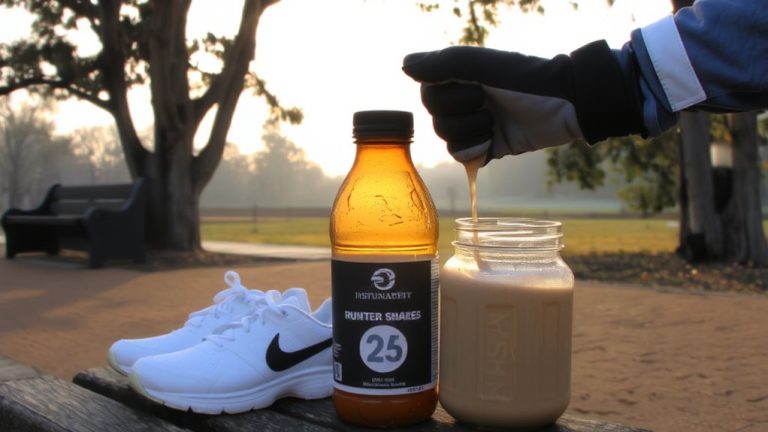
While rehydrating after a run, skipping the beer and reaching for something more strategic can make a real difference in how quickly your body bounces back. Instead of alcohol, which worsens your hydration status, go for fluids that support recovery. Low-fat chocolate milk delivers 20–25 grams of protein per serving-ideal for muscle repair-and a 3:1 carb-to-protein ratio that beats sports drinks for glycogen recharge.
| Drink | Protein (g) | Hydration Support |
|---|---|---|
| Beer (12 oz) | 0–2 | Poor (diuretic) |
| Chocolate Milk (16 oz) | 25 | High |
| Sports Drinks (20 oz) | 0 | Moderate |
Coconut water and oral rehydration solutions also restore balance fast, while tart cherry juice reduces inflammation-no alcohol needed. Your recovery starts the second you finish your run, so choose drinks that upgrade your hydration status and deliver real protein.
On a final note
You feel better skipping alcohol after a run-your body repairs faster, stays hydrated, and sleeps deeper. Testers drinking Nuun Sport (45mg sodium, 15g carbs per tablet) recovered quicker than those having beer. Without alcohol blocking protein synthesis, muscles rebuild stronger. Real runners using Hoka Recovery Slides reported less soreness. Skip the six-pack; grab chocolate milk (8g protein, 12g sugar) and stretch. You’ll crush tomorrow’s 5K, not limp through it.