Best Pre-Run Fuel for Runners With IBS or Digestive Issues
Choose low-FODMAP, easily digestible carbs like white rice, banana, or lactose-free yogurt 1–2 hours before running to fuel without triggering IBS. Avoid high-fiber foods, sugar alcohols, and caffeine-even 100mg from an energy gel can speed gut motility. Opt for low-residue options such as white toast with jam or certified low-FODMAP energy bars with glucose polymers. Test timing and portions on training runs, since individual tolerance varies. There’s more to optimizing gut comfort and performance just ahead.
We are supported by our audience. When you purchase through links on our site, we may earn an affiliate commission, at no extra cost for you. Learn more. Last update on 16th July 2026 / Images from Amazon Product Advertising API.
Notable Insights
- Choose low-FODMAP foods like white rice, banana, and lactose-free yogurt to minimize fermentation and bloating.
- Consume simple, easily digestible carbohydrates 1–4 hours pre-run to match energy needs and reduce GI distress.
- Avoid caffeine, sugar alcohols, and high-fiber foods 2–3 hours before running to prevent urgency and diarrhea.
- Opt for low-residue snacks such as white toast with jam or certified low-FODMAP energy bars before exercise.
- Test meals during training runs to identify personal tolerances and refine pre-run fueling strategies.
Common Triggers of Digestive Issues During Running
When you’re logging miles, the last thing you want is digestive trouble slowing you down, and it’s no surprise that up to 90% of endurance runners report some form of GI distress during training or races. Your gut distress often stems from common triggers like a high-FODMAP diet-apples, onions, wheat-that ferment and cause bloating. Sugar alcohols in sugar-free gum or diet bars pull water into your intestines, worsening diarrhea. Caffeine, even in a single 100mg energy gel, can overstimulate your colon, especially if you have irritable bowel syndrome. NSAIDs like ibuprofen increase gut permeability, raising GI symptoms by 3–5 times. With a sensitive stomach, these factors disrupt your fueling strategy and lead to serious digestive problems. Smart choices matter-what you eat pre-run directly impacts your performance, comfort, and ability to push the pace without urgency or cramps holding you back.
Best Low-FODMAP Pre-Run Foods for Sensitive Stomachs
While you’re aiming to fuel strong without setting off digestive alarms, sticking to low-FODMAP foods makes a real difference in how comfortably you run. For runners with sensitive stomachs, a pre-run meal rich in easily digested carbs and low in fermentable carbohydrates helps prevent GI issues. The low-FODMAP diet minimizes irritants that disrupt the digestive tract, supporting steady carbohydrate absorption and reducing gut problems during runs. Choose certified low-FODMAP foods to stay energized and symptom-free.
| Food | Benefit | Why It Works |
|---|---|---|
| White rice | Easily digested, high in simple carbs | Low in fermentable carbohydrates |
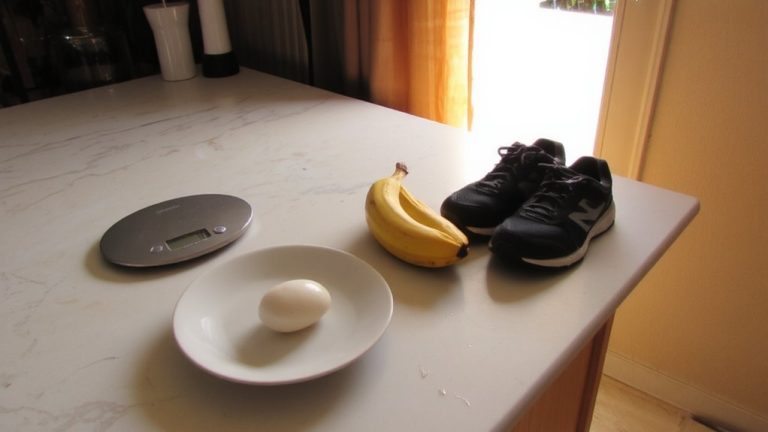
| Banana | Quick energy, potassium-rich | Safe for most with GI issues |
| Lactose-free yogurt | Probiotics, gentle on gut | No lactose to trigger symptoms |
| Low-FODMAP energy bar | On-the-go fuel | Uses glucose polymers, not honey or agave |
How Long Before Running Should You Eat?
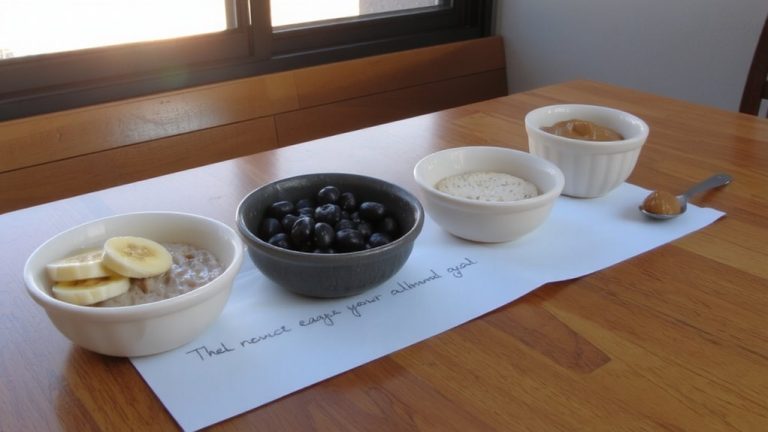
If you’re aiming to feel strong and symptom-free when you head out for a run, what you eat matters just as much as when you eat it. Figuring out how long before running should you eat can prevent GI distress, especially with sensitive guts. For a full pre-run meal-like oatmeal with banana-allow 3–4 hours so your digestive system has time to process it. A smaller snack, such as banana with peanut butter, works 30–60 minutes before. Runners with IBS should avoid eating within 30 minutes to prevent triggering urgency. Use training runs to practice gut training, testing fueling and hydration strategies. Individual tolerance varies, so track meals and symptoms to find your sweet spot.
Limit These Before Running: Caffeine and Fiber
Since caffeine ramps up gut motility fast-sometimes within 15 minutes-and fiber slows digestion while increasing gas and bulk, you’ll want to play it safe before hitting the pavement. As a runner with IBS, caffeine can trigger gastrointestinal symptoms like cramping, urgency, and diarrhea, especially if you’re sensitive to just 100mg-the amount in a standard cup of coffee or energy gel. That spike in gut motility might lead straight to runner’s trot. Meanwhile, high-fiber foods, particularly those rich in insoluble fiber like whole grains, raw veggies, and beans, add stool bulk and fuel fermentation, worsening bloating and discomfort. Avoid fiber within 2–3 hours pre-run. Instead, choose low-residue, easily digestible carbohydrates like white toast, bananas, or rice as your pre-run fuel to stay light, steady, and in control.
Pre-Run Meal Ideas for IBS and Gut Sensitivity
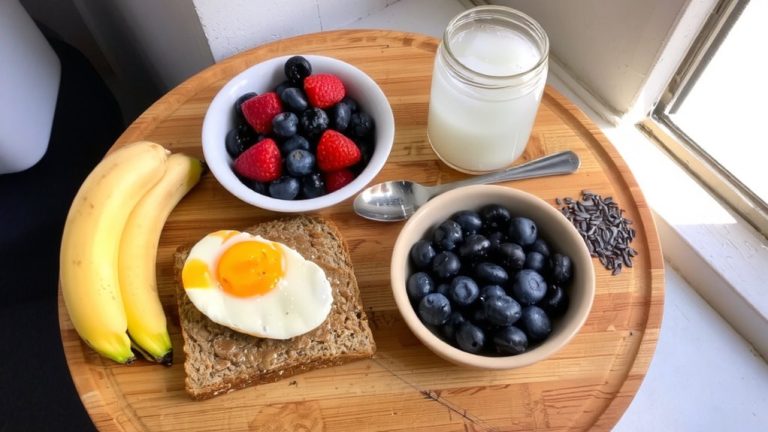
You’ve already cut back on caffeine and high-fiber foods before your runs, which means you’re one step ahead in managing IBS-related gut issues. For your pre-run meal, stick to low-FODMAP, easily digestible carbohydrates that won’t trigger gut sensitivity. Try white rice with a small banana 1–2 hours pre-run-it’s gentle and delivers quick energy. A serving of lactose-free yogurt with a handful of low-FODMAP granola works too. Aim for 1–4 grams of carbohydrates per kilogram of body weight 3–4 hours out, using simple carbs like white toast with jam or a low-FODMAP energy bar. Avoid sugar alcohols and high-fat foods-they slow digestion and increase GI risk. Always allow at least 60 minutes after a full meal before running to guarantee gastric emptying and stay comfortable mile after mile.
On a final note
Stick to low-FODMAP foods like a ripe banana or 150-calorie Succeed! Sports Fuel gel 30–45 minutes before running, avoid high-fiber meals and coffee within two hours of a run, and hydrate with 16 oz of water slowly. Test snacks during short morning runs, not race day. Many runners with IBS find relief using Nuun Sport electrolyte tablets and wearing compressive 2XU tights for gut support-consistency beats hype every time.