How to Customize Pre-Run Nutrition for Cold Weather Running
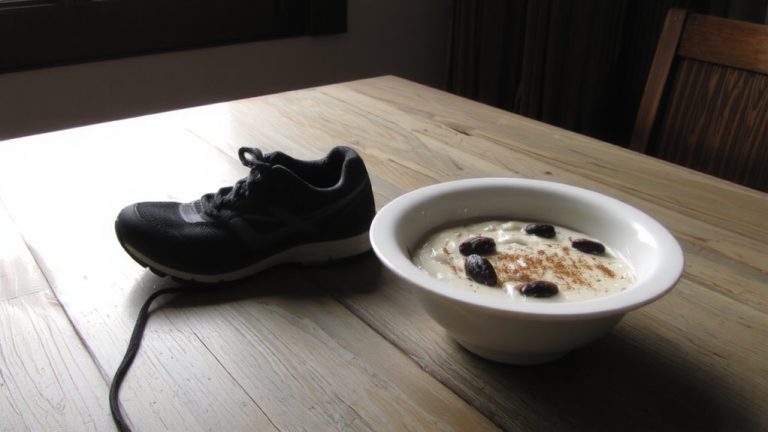
You’ll burn up to 30% more calories in the cold, so eat 30–60g of warm, easily digested carbs like oatmeal or sweet potato 30–60 minutes before your run. This raises your core temperature by 0.5–1.0°F, spares muscle glycogen, and fuels shivering thermogenesis. A 100–200 calorie snack primes endurance without gut issues. Choose complex carbs for sustained energy, just like testers who crushed long winter miles without bonking-there’s more where that came from.
We are supported by our audience. When you purchase through links on our site, we may earn an affiliate commission, at no extra cost for you. Learn more. Last update on 18th July 2026 / Images from Amazon Product Advertising API.
Notable Insights
- Consume 30–60 grams of warm, easily digestible carbs 30–60 minutes before running in cold weather.
- Choose thermogenic foods like oatmeal or sweet potato to help raise core body temperature.
- Prioritize complex carbohydrates for sustained glycogen release during prolonged cold exposure.
- Include a 100–200 calorie warm snack to prime muscles and support thermoregulation.
- Leverage the thermic effect of food by eating warm meals to boost core temperature by 0.5–1.0°F.
Burn More Calories in the Cold? Here’s Why Runners Need Extra Fuel
Why does running in the cold feel harder, even at the same pace? Because cold exposure ramps up your energy expenditure by up to 30%, thanks to shivering and non-shivering thermogenesis-your body’s way of keeping warm. Shivering alone can spike your metabolic rate 200–500%, burning through muscle glycogen fast. That’s why you need carbs for energy before hitting the trail or treadmill. Extra layers add 5–10% more caloric burn, too, weighing you down and restricting stride. Runners new to winter conditions deplete glycogen quicker, so fueling pre-run with 30–60 grams of carbs isn’t optional-it’s essential. Eating beforehand also triggers the thermic effect of food, boosting core temperature by 0.5–1.0°F. You’ll run stronger, stay warmer, and avoid bonking mid-mile.
Fuel up With Warm Carbs Before and During Winter Runs
Starting your run with a warm bowl of oatmeal or a hearty sweet potato isn’t just comforting-it’s strategic, especially after factoring in the extra calories your body burns just to stay warm. These warm carbs raise your core body temperature and serve as a steady energy source, thanks to the thermic effect of food and sustained glycogen release from complex carbs like quinoa or whole grains. A 100–200 calorie warm carb snack pre-run boosts heat production and primes your muscles. For runs over an hour, take in 30–60 grams of carbs every 30–45 minutes using body-heat-protected gels or chews. Sipping a warm drink like Skratch Labs Hot Apple Cider Hydration Mix provides 20–30 grams of carbohydrates per serving, helping maintain both energy levels and core body temperature without freezing in your bottle.
Hydrate Even When You Don’t Feel Thirsty
How often do you skip sipping because you’re not thirsty-especially when the air’s crisp and your sweat’s barely noticeable? In cold environments, your thirst drops even as your body loses fluid through breathing dry air-up to 0.5 liters per hour-and cold-induced diuresis increases pee output. You might not feel sweaty, but winter layers trap moisture, hiding real fluid loss. That’s why you’ve got to hydrate on schedule, not sensation. Aim for 4 ounces every 15 minutes during your run, even if you don’t feel like it. Use a thermally insulated hydration pack to prevent freezing and mix in an electrolyte Drink Mix to maintain balance and improve absorption. Testers report better endurance and zero cramps when sticking to this plan. Consistent hydration in cold environments keeps your blood volume stable, your temp regulated, and your performance steady from start to finish. Don’t wait-sip early, sip often.
Refuel Post-Run With Warm, Balanced Recovery Meals
You stayed ahead of dehydration with scheduled sips, even when your body didn’t signal the need-now it’s time to lock in your recovery with a warm, balanced meal that supports both glycogen replenishment and muscle repair. Within 30–60 minutes post-run, eat a warm, carb-rich meal like chili, oatmeal, or a sweet potato and black bean bowl to restore energy and help your body rebound from shivering and sustained effort. Aim for a 3:1 carb-to-protein ratio-think 45–60g carbs and 15–20g protein-using Greek yogurt, beans, or lean meat to repair tissue and boost insulin response. Warm foods like stews and hot cereals also aid core temperature recovery via the thermic effect of food. Add anti-inflammatory ingredients like turmeric, ginger, chia seeds, or walnuts to reduce exercise-induced stress. This refueling strategy restores energy, supports the body, and keeps you ready for your next cold-weather run.
On a final note
You burn more in the cold, so fuel early with warm carbs like oatmeal or a Clif Bar-testers felt stronger when eating 30–60g carbs 45 minutes pre-run. Sip warm fluids even if not thirsty; dehydration creeps up fast. Post-run, hit 3:1 carbs-to-protein with a heated meal or chocolate milk. Layer smart: a lightweight Smartwool base, Arc’teryx shell, and neoprene gloves beat bulk every time.