Why Pre-Run Fueling Is Different for Women vs. Men
You burn up to 15% more fat during moderate runs than men, thanks to estrogen boosting lipid oxidation and sparing glycogen-ideal for half-marathons. Your cycle phase changes everything: in the luteal phase, higher estrogen and progesterone increase fat use but reduce carb storage, so aim for 1–1.2 g/kg carbs and 10–20 g protein pre-run. Opt for easily digestible carbs like bananas or white rice with Greek yogurt or turkey. Your ideal pre-run meal shifts with your hormones, and what works Tuesday may fail Thursday. Tailor fueling to your cycle, and discover how small tweaks can activate smoother, stronger runs-especially when you match nutrition to your body’s daily rhythm.
We are supported by our audience. When you purchase through links on our site, we may earn an affiliate commission, at no extra cost for you. Learn more. Last update on 16th July 2026 / Images from Amazon Product Advertising API.
Notable Insights
- Women burn more fat during moderate runs due to higher estrogen, altering fuel needs compared to men.
- Estrogen enhances fat breakdown and glycogen sparing, reducing reliance on carbohydrates during endurance efforts.
- Metabolic rate increases up to 11.5% in the luteal phase, raising overall energy and fuel demands.
- Carb loading is less effective in the luteal phase due to reduced glycogen storage and carb efficiency.
- Protein needs rise in the luteal phase to counter progesterone-driven muscle breakdown and support recovery.
Why Female Runners Burn More Fat During Runs
While you might assume men and women fuel their runs the same way, research shows female runners actually burn more fat during exercise, especially at moderate intensities like a steady 6–7 mph jog. Thanks to higher estrogen levels, you experience enhanced lipid oxidation, meaning your body taps into fatty acid metabolism more efficiently than male runners. Estrogen boosts proteins that help break down intramyocellular lipids-fat stored right in your muscle cells-giving you a ready energy source during endurance exercise. This reflects a key metabolic advantage tied to sex differences in fuel use. Though fat utilization shifts across your menstrual cycle, it’s consistently higher in women overall. You rely more on adipose and intramyocellular fat stores, sparing glycogen. This metabolic strategy supports longer efforts, especially in events like half-marathons. Your body’s natural fat-burning capacity means pre-run carbs may not be as critical at lower intensities.
Fuel According to Your Menstrual Cycle Phase
Because your body’s fuel needs shift across your cycle, you can optimize performance by tailoring nutrition to each menstrual cycle phase. During the luteal phase, elevated progesterone and estrogen raise your metabolic rate, increasing daily calorie needs by 2.5–11.5%. This phase also boosts fat utilization thanks to estrogen-driven fat-metabolizing proteins and intramyocellular lipids, making it ideal for low-carb fueling strategies. However, glycogen storage dips, so carbohydrate loading is less effective than in the follicular phase, when rising estrogen enhances carb tolerance and glycogen synthesis. Female runners should prioritize higher protein intake (~1.6–2.0 g/kg/day) mid-cycle and in the luteal phase to counter increased muscle breakdown. Adjusting your pre-run carbohydrate and protein intake according to cycle phase aligns with hormonal shifts and supports sustained endurance, recovery, and overall performance.
Time Pre-Run Carbs to Your Hormonal Shifts
When estrogen peaks during your follicular phase, your body becomes a carb-burning machine, so hitting 1 g/kg of carbs 1–4 hours before your run can fuel sharper, more efficient workouts, especially on long intervals or tempo runs. For female athletes, syncing carbohydrate intake with your menstrual cycle makes a real difference. In the follicular phase, estrogen enhances glycogen storage and carb utilization, letting you make the most of pre-run fueling. But in the luteal phase, rising progesterone increases fat oxidation and spares glycogen, reducing carb efficiency. Hormonal fluctuations also raise energy needs by up to 11.5%, meaning you may need more total carbs despite their lower availability. Time your carb intake carefully-especially in the luteal phase-when cravings might actually signal legitimate shifts in fuel demands and performance requirements.
Eat More Protein Before Runs in the Luteal Phase
You might notice your usual pre-run snack just doesn’t hold you over during the luteal phase, and there’s a solid reason: rising progesterone ramps up muscle protein breakdown, so adding 10–20 g of protein to your pre-run meal can help preserve muscle and keep energy steady. During this phase, estrogen and progesterone spikes increase metabolic rate by up to 11.5%, raising energy demands and protein needs. Female athletes often feel this shift, especially when glycogen storage drops and insulin resistance increases. That’s why higher protein intake-paired with moderate carbs-supports endurance and stabilizes blood sugar. A pre-run meal with higher protein helps offset muscle protein breakdown and fuels tough efforts. Think Greek yogurt with fruit or a lean turkey wrap. Adjusting your pre-run meal now matches your body’s changing needs, letting you train strong without bonking.
Build Your Ideal Pre-Run Meal as a Female Runner
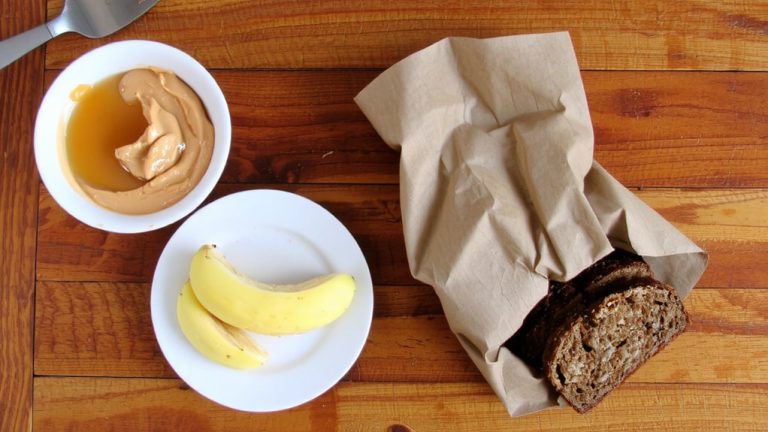
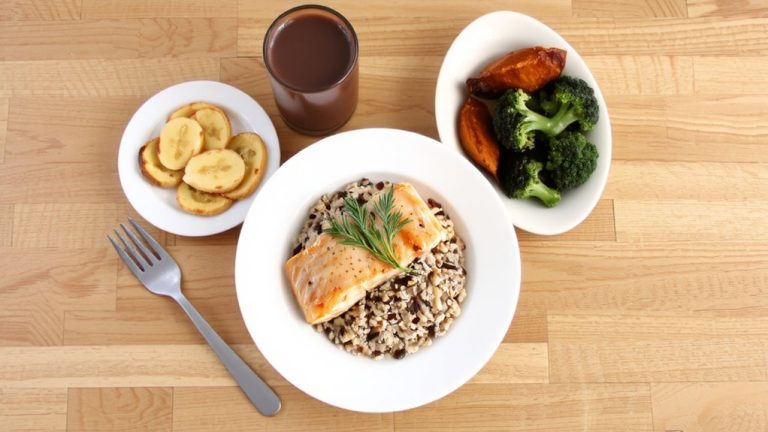
What does your ideal pre-run meal actually look like, especially when your body’s changing week to week? For female runners, carbohydrate intake should be around 1 g/kg body weight 1–4 hours pre-run to fuel glycogen stores, with a bump during the luteal phase when energy needs rise 2.5–11.5%. Estrogen drives higher fat utilization, so including 20–35% fat in your pre-run meal can support endurance, especially then. Opt for easily digestible carbs-think banana, white rice, or toast-to prevent GI issues. Pair with 20–30g protein to offset increased protein consumption needs mid-cycle and in the luteal phase. Menstruating or post-menopausal females may adjust based on symptoms. Tailoring your pre-run meal to your menstrual cycle helps match fluctuating fuel demands and keeps performance steady.
On a final note
You burn more fat during runs, especially in the luteal phase, so adjust your pre-run fueling accordingly. Time carbs 30–60 minutes before training, using 30–60g of easily digestible sources like GU Roctane or bananas. Add 10–15g protein in the luteal phase to support muscle. Pair with 16–20 oz of water and a Clif Bar or Honey Stinger waffle for balanced energy, tested and trusted by female runners in real training.