How to Use Cottage Cheese as a High-Protein Recovery Food
Eat a full cup of 2% cottage cheese post-workout for 24 grams of slow-digesting casein protein, ideal for overnight recovery and muscle repair. Pair with a banana and berries to hit a 3:1 carb-to-protein ratio, aiding glycogen restoration and reducing soreness. Blend into smoothies with milk and frozen fruit for 30–40g protein when extra fuel’s needed. Stir into scrambled eggs or pasta dishes to boost protein intake efficiently-there’s plenty more where that came from.
We are supported by our audience. When you purchase through links on our site, we may earn an affiliate commission, at no extra cost for you. Learn more. Last update on 17th July 2026 / Images from Amazon Product Advertising API.
Notable Insights
- Consume 1 cup of cottage cheese for 24 grams of slow-digesting casein protein to support overnight muscle repair.
- Pair ½ cup cottage cheese with banana and berries to achieve a 3:1 carb-to-protein ratio ideal for recovery.
- Blend cottage cheese with milk, fruit, and optional protein powder for a high-protein, muscle-recovery smoothie.
- Use full-fat or 2% cottage cheese to enhance satiety and improve absorption of fat-soluble recovery nutrients.
- Incorporate cottage cheese into scrambled eggs, pasta, or pancakes to boost protein content in recovery meals.
How Cottage Cheese Boosts Post-Workout Recovery
While many turn to whey shakes after a tough workout, cottage cheese offers a powerful, science-backed alternative that delivers sustained muscle recovery, thanks to its 24 grams of protein per cup-mostly from slow-digesting casein. This high protein content means you get a steady release of amino acids, reducing soreness and fueling tissue repair overnight. A cup of cottage cheese packs 24 grams of protein per serving, making it a reliable post-run choice. The casein in cottage cheese digests slowly, supporting prolonged recovery, while delivering essential nutrients like calcium for proper muscle contractions. Pair your cottage, cheese, and protein-rich snack with fruit to replenish glycogen. With 11 grams of protein per 100 grams, cottage cheese balances convenience and nutrition. You’re not just getting protein per serving-you’re getting functional, muscle-friendly fuel.
How Much to Eat for Muscle Repair
How much cottage cheese should you really eat to repair muscle after a tough run or lifting session? Aim for a cup cottage cheese post-workout-it delivers about 24 grams of protein, thanks to its high protein content. This slow-digesting casein supports sustained muscle repair and feeds muscle protein synthesis over time. For most people, especially those between 150–180 lbs, consuming 20–25 grams of protein is ideal to maximize recovery. A full cup meets that target perfectly. If you’re pairing it with carbs later, even ½ to ¾ cup cottage cheese can help you hit 20–25 grams of protein when combined with other sources. Choose full-fat or 2% cottage cheese with minimal additives-it boosts satiety, improves nutrient absorption, and supports long-term recovery. This practical, protein-packed choice fits seamlessly into your post-workout routine.
Mix With Berries or Bananas for Recovery Fuel
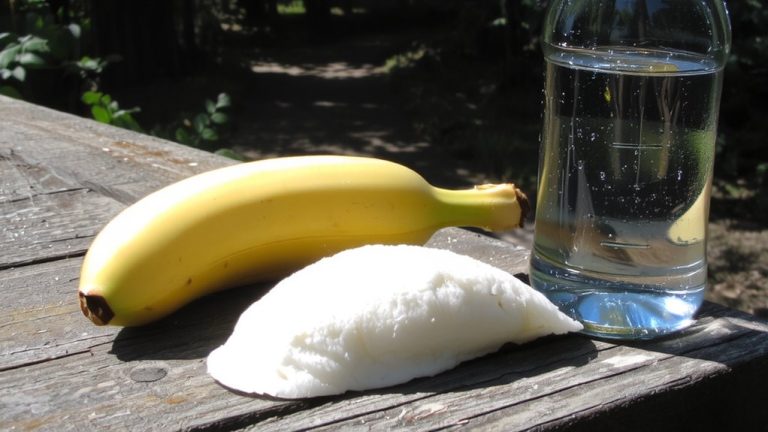
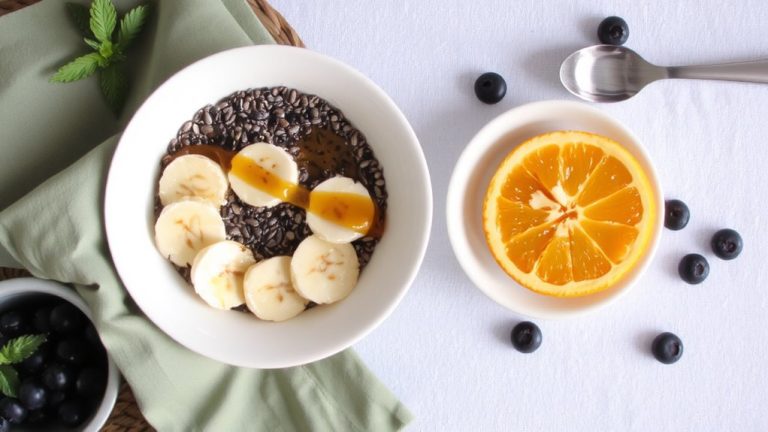
A cup of 2% cottage cheese paired with half a banana and a handful of berries gives you about 24 grams of protein and a quick supply of carbohydrates, making it a reliable recovery combo after hard runs or strength sessions. This high-protein mix delivers slow-digesting casein from cottage cheese and fast-acting sugars from bananas and mixed berries, balancing immediate and sustained muscle repair. You’ll also add protein and essential nutrients like vitamin C from berries, which reduces inflammation and supports collagen synthesis. Bananas bring potassium to help restore electrolyte balance post-workout. Together, they create a satisfying recovery fuel that’s easy to digest, especially when appetite is low. Blending cottage cheese with berries and bananas smooths out the curds, improving texture and palatability. A serving of ½ cup cottage cheese, ½ cup mixed berries, and ½ sliced banana hits the ideal 3:1 carb-to-protein ratio for ideal post-workout recovery.
Blend Into a Smoothie After Exercise
You already know mixing cottage cheese with berries and bananas makes a great recovery snack, and blending it into a smoothie takes that benefit up a notch. Try to blend into a smoothie with ½ cup cottage cheese and 1 cup milk for about 24 grams of protein-a solid base for post-workout recovery. Add frozen berries and a banana, and you’ll hide any lumps while boosting flavor and antioxidants. The casein protein in blended cottage cheese digests slowly, supplying amino acids over hours to support overnight muscle repair. For a high-protein recovery food, this smoothie is creamy, satisfying, and easy to down after a hard run. Real testers say it’s surprisingly smooth, mild, and filling. Toss in a scoop of protein powder, and you’ve got 30–40 grams, ideal for serious muscle recovery. Make this smoothie a staple-your legs will thank you.
Add to Eggs or Pasta for High-Protein Meals
Cottage cheese isn’t just for bowls-stirring it into eggs or pasta transforms everyday meals into high-protein recovery powerhouses. Add cottage cheese to scrambled eggs for a fluffy, creamy texture and a boost to 20 grams of protein per serving-perfect for a High-Protein Breakfast. You can even make cottage cheese pancakes for a muscle-friendly morning meal. When you Stir It into Pasta, like mac and cheese or marinara, you add up to 24 grams of extra protein per cup while cutting saturated fat. Blend it into pasta sauce or use it in place of ricotta for richer, packed with protein dishes. Whether you eat cottage straight or mix it in, it’s an easy way to get more protein post-run-simple, effective, and delicious.
Choose the Right Type for Your Goals
Picking the right kind of cottage cheese makes a real difference in how well your body recovers after a hard run or strength session, especially when you’re already using it in eggs, pasta, or pancakes. You’ve got to choose the right type based on your goals. If you need sustained energy, go for fat cottage cheese-it slows digestion and boosts fat-soluble vitamin absorption. Want more protein per cup with less saturated fat? Try low-fat cottage cheese, which delivers about 24 grams of protein. For gut health, pick brands with live and active cultures to support digestion. Always choose plain cottage cheese to avoid added sugars. And remember, casein protein-around 11g per 100g-helps with overnight recovery. Maximize the benefits of cottage cheese by focusing on clean labels and key nutrients.
| Type | Protein: Cottage Cheese (per cup) | Key Benefits |
|---|---|---|
| Full-fat | 14g | Sustained energy, better nutrient absorption |
| Low-fat | 24g | High protein, fewer calories |
| With live and active cultures | 15g | Supports gut health, aids recovery |
| Plain | 15–24g | No added sugar, versatile |
| High-casein | 11g per 100g | Slow-digesting, ideal post-workout |
On a final note
You’re covered with cottage cheese after workouts-it’s packed with 28 grams of protein per cup, digests slowly to rebuild muscle overnight. Pair it with berries for antioxidants or blend into a post-run smoothie. Add to scrambled eggs or pasta for a protein boost. Opt for low-fat or full-fat based on your goals. Testers report less soreness and better recovery when eating it within 30 minutes post-training.