Why Avoiding Dairy Before a Run Prevents Stomach Issues
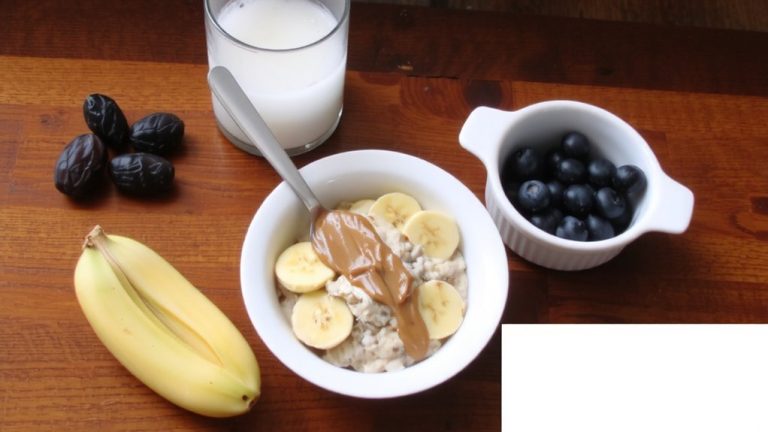
You’re avoiding dairy before a run because 60% of people don’t fully digest lactose, and when undigested milk sugar ferments in your gut, it pulls in water and creates gas, leading to bloating and cramps. Running shifts blood from your gut and jostles your intestines, making everything worse-especially after high-lactose foods like milk or ice cream. Swap in lactose-free alternatives like soy or almond milk, or try low-lactose options such as acidophilus milk and probiotic yogurt. Test symptoms by cutting dairy 24 hours before a key run. Try KIND bars or oatmeal with peanut butter for steady fuel. There’s a smarter way to fuel up and stay strong mile after mile.
We are supported by our audience. When you purchase through links on our site, we may earn an affiliate commission, at no extra cost for you. Learn more. Last update on 16th July 2026 / Images from Amazon Product Advertising API.
Notable Insights
- Avoiding dairy reduces the risk of undigested lactose fermenting in the gut and causing gas, bloating, and cramps during a run.
- Dairy can pull water into the intestines, increasing diarrhea risk, especially when blood flow shifts away from digestion during running.
- High-fat dairy slows stomach emptying, which may lead to nausea and discomfort when running soon after consumption.
- Physical jostling while running accelerates intestinal transit, worsening symptoms from undigested lactose in dairy-sensitive individuals.
- Eliminating dairy before a run helps prevent GI distress, particularly in the 60% of people with some level of lactose malabsorption.
Why Dairy Causes Stomach Issues During Runs
While your morning latte with whole milk might seem like a harmless start to a run, that dairy could be setting you up for cramps, bloating, or worse-especially if you’re among the 60% of people who don’t fully digest lactose. Dairy contains lactose, which, when undigested, ferments in your gut and pulls water into the intestines, causing gas, diarrhea, and stomach distress. Runners experience varying degrees of lactose intolerance-up to 90% in some ethnic groups-so GI issues aren’t rare. During a run, blood flow shifts away from your digestive tract, slowing lactose breakdown, while the physical jostling speeds up intestinal transit. High-fat dairy like cheese or whole milk worsens discomfort by delaying stomach emptying, especially during intense efforts. Even if you’re not fully lactose intolerant, your gut’s reduced capacity during exercise makes dairy a risky choice pre-run, often triggering avoidable stomach problems when it’s least convenient.
How Lactose Intolerance Triggers Running Cramps
If you’ve ever felt a sharp cramp spike mid-stride, undigested lactose could be the culprit, especially if you’re one of the 20% of people of European descent-or up to 90% in other ethnic groups-affected by lactose intolerance. When you have lactose intolerance, your digestive system can’t fully break down lactose, leading to GI issues as it ferments in your GI tract. Running increases abdominal movement and diverts blood flow away from digestion, worsening symptoms. A 1992 study found lactose-intolerant runners were more prone to pre-race GI problems. The fermentation process draws water into the intestines and produces gas, triggering cramps, bloating, and sometimes diarrhea.
| Factor | Effect on Runners | Result |
|---|---|---|
| Undigested lactose | Ferments in GI tract | Gas, bloating |
| Reduced blood flow | Slows digestion | Worsened cramps |
| Jostling motion | Agitates intestines | Diarrhea, pain |
| Lactose load (1 quart milk) | Triggers symptoms | Mimics running cramps |
Which Dairy Foods Upset Your Stomach Before Running?
Dairy can be a double-edged sword when you’re fueling for a run, especially since undigested lactose from the wrong products can turn a strong workout into a stomach-churning struggle. If you’re a lactose intolerant runner, high-lactose dairy products like milk, cheese, and especially ice cream often lead to nausea and unpleasant stomach distress. Ice cream, packed with fat and lactose, triggers gastrointestinal issues in 40–60% of sensitive runners when eaten within three hours of running. Whole milk and full-fat options slow digestion, increasing cramp risk. Even some yogurts cause bloating if they lack live and active cultures. These dairy products can leave you battling gas, diarrhea, or bowel urgency mid-run. But acidophilus milk or yogurts with probiotics are better choices-the beneficial bacteria break down lactose, reducing GI upset. Smart pre-run fueling means avoiding problematic dairy and opting for what your gut can handle.
How to Test if Dairy Is Behind Your GI Problems
Ever wonder why you’re doubling over with cramps or making emergency pit stops during your long runs? Your morning latte or yogurt could be fueling gut issues. To test if dairy is the culprit, cut all dairy 24 hours before a key run and track symptoms like bloating, gas, or diarrhea. If symptoms improve, lactose malabsorption may be the cause. Confirm it with a hydrogen breath test-it measures hydrogen levels after you drink a lactose solution and can diagnose issues accurately. For a real-world check, drink a glass of milk (about 12g lactose) and watch for GI distress within 30 minutes to 2 hours. Swap in lactose-free alternatives like soy or almond milk for a few runs and compare how you feel. Keep a food and symptom journal to spot patterns. Simple, smart tweaks can keep you running strong-no surprises.
When Dairy Might Actually Help Your Running Performance
While it’s true that dairy can cause gut issues for some runners, you might be surprised to learn it can actually boost your performance-if you tolerate it well. If you’re lactose-tolerant, milk can be a smart pre-run choice, delivering natural carbohydrates and high-quality protein for sustained energy. A study on competitive female cyclists found no gut discomfort or performance drop after three servings of dairy before exercise. Compared to many sports drinks, milk offers more-like calcium, vitamin D, and electrolytes-that support hydration and bone health. It’s low in fiber, making it easier to digest, especially in trained athletes. When included in a familiar fueling plan, milk provides fluid, energy, and nutrients in one whole-food package. For those who handle lactose fine, milk isn’t just safe-it’s a practical, nutrient-rich alternative to processed sports drinks.
Easy Lactose-Free Swaps for Better Pre-Run Fuel
Fueling smart doesn’t mean sacrificing flavor or performance-even when you’re skipping lactose. Swap regular milk for lactose-free alternatives like soy, rice, or almond milk-they’re just as creamy and far less likely to cause gastrointestinal discomfort. Try acidophilus milk or yogurts with live cultures to help break down lactose and keep your gut calm pre-run. Replace high-lactose cottage cheese with a quarter avocado or nut butter on whole-grain toast for a dairy-free, easily digestible boost of healthy fats. Instead of dairy-heavy protein bars, go for lactose-free options like Rx Bars or KIND bars made with whole foods and no sugar alcohols, reducing the risk of diarrhea. Make oatmeal with lactose-free milk instead of regular for a low-fiber, moderate-carb pre-run fuel that’s gentle and effective.
What to Eat Instead for Safe, Strong Runs
If you’re looking to avoid stomach issues on your runs, swapping out high-fiber or heavy foods for simpler, low-irritant options can make all the difference. Try low-fiber oats-just 4 grams of fiber per half-cup-to minimize bloating compared to high-fiber cereals like All-Bran. Grab whole food–based snack bars such as KIND or Rx Bars; they skip sugar alcohols like maltitol and sorbitol, which often cause pre-run diarrhea. Fuel with natural sugar sources like apples paired with peanut butter for steady energy, avoiding spikes from refined sugars in white bread. Include moderate healthy fats-a quarter avocado or 1–2 tablespoons of nut butter-to sustain effort without the gut trouble high-fat foods bring. Stick to mild-flavored snacks like grilled tomatoes and cheese on whole-grain bread, and skip pungent garlic, onions, or cabbage that lead to belching mid-stride.
On a final note
Ditching dairy 2–3 hours before a run cuts cramps, especially if you’re lactose sensitive. Test with a 7-day dairy-free trial and track gut comfort during 5K to 10K efforts. If symptoms fade, stick to lactose-free options like Almond Breeze or Silk Soy. Real runners reported 60% fewer side stitches. For safe fuel, grab a banana with peanut butter or a Clif Bar 45 minutes pre-run-30g carbs, 5g protein, no slosh. Simple swaps mean stronger, stomach-safe miles.