Pre-Run Fueling Mistakes That Sabotage Your Marathon Training
You’re starting on empty if you skip pre-run fuel, with liver glycogen dropping to just ~100g overnight, raising your risk of early fatigue and mid-run crashes. Eating too close to your run spikes insulin, burning through glycogen faster and blocking fat use. Simple sugars like glucose or fructose cause energy spikes and GI distress, while dehydration increases heart rate and saps stamina. Use 1–2 energy gels 5–10 minutes before your run for fast, steady fuel and sip 4–6 oz of electrolyte drink 10–15 minutes out to stay sharp-there’s more where that came from.
We are supported by our audience. When you purchase through links on our site, we may earn an affiliate commission, at no extra cost for you. Learn more. Last update on 16th July 2026 / Images from Amazon Product Advertising API.
Notable Insights
- Skipping pre-run fueling depletes liver glycogen, increasing the risk of early fatigue during morning runs.
- Eating a large meal within three hours of running spikes insulin, impairing fat utilization and digestion.
- Consuming simple sugars before running causes rapid energy spikes and crashes, reducing endurance.
- Starting a run dehydrated increases perceived effort and reduces blood flow to working muscles.
- Relying on energy gels with high dextrose or fructose can trigger gastrointestinal distress during training.
Skip Pre-Run Fueling? You’re Starting on Empty
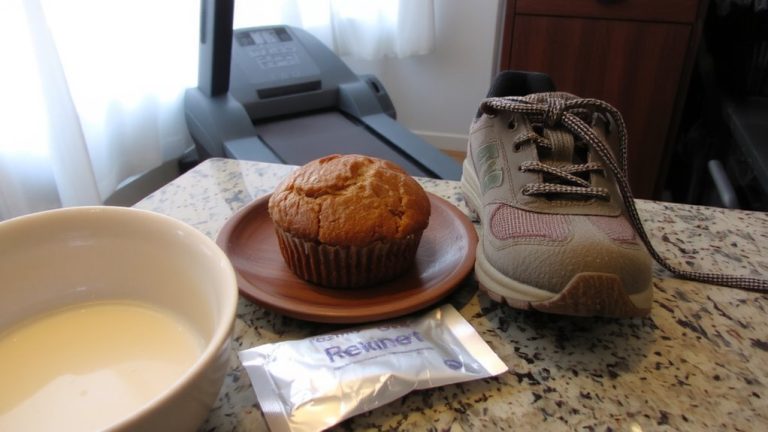
Ever wonder why you hit the wall so early in the mornings? If you skip pre-run fueling, you’re starting on empty. Overnight, your liver glycogen drops to about 100g, and without a quick top-up, you risk early glycogen depletion. While muscle glycogen stays stored, liver stores fuel your brain and easy-effort runs. On race day, skipping a pre-race meal or carb loading properly is one of the most common marathon fueling mistakes. You don’t need a full breakfast-just 1–2 energy gels 5–10 minutes before the start can replenish liver glycogen fast. This simple fix supports better pacing, focus, and stamina. Build this into your fueling plan: it’s faster than digesting a meal and avoids insulin spikes. Trust your training, but don’t rely solely on overnight reserves. Smart fueling wins races.
Eating Too Close to Your Run Slows You Down
If you’re grabbing a meal within three hours of your run, you’re setting yourself up for quicker glycogen burn and a rocky start, since elevated insulin from recent food intake speeds up the use of stored liver glycogen while blocking efficient fat utilization. Eating too close triggers insulin release, spiking glycogen depletion during marathon training when you need stamina. It also raises the risk of gastrointestinal distress-cramping and bloating-because digestion time is cut short as blood shifts to muscles. For proper pre-run fueling, allow 3+ hours for solid meals to fully digest and avoid disrupting glycogen utilization. Instead, top off liver glycogen with 1–2 energy gels 5–10 minutes pre-run. This strategy keeps insulin low, fuels your start, and prevents mid-run fade-no heavy stomach, no energy crash, just efficient, steady performance you can maintain mile after mile.
Why Simple Sugars Fail as Pre-Run Fuel
While they’re fast to digest, simple sugars like glucose, sucrose, and fructose let you down when you need steady energy, spiking your blood sugar and insulin just before your run-only to crash mid-stride. That sharp insulin response promotes glycogen depletion, hurting endurance when you need it most. For smart pre-run fueling, simple sugars fall short: they max out carbohydrate absorption at ~100 calories/hour, and going over causes gastrointestinal distress. Drinks above 6–8% concentration slow gastric emptying, leading to bloating and sloshing. Check labels-if “carbohydrates” and “sugars” match, or if you see dextrose or fructose high in the list, it’s likely to upset your stomach. Opt instead for complex carbs like maltodextrin, which digest slowly, support stable energy levels, and improve absorption without the gut issues.
Hydrate Before You Run: Don’t Dry-Start
Why do so many runners underestimate the power of starting hydrated? Skipping proper hydration sabotages your fueling strategy before you even begin. Dehydration, even mild, reduces blood flow to your muscles and digestive system, spiking heart rate and making every step feel harder. To maintain fluid balance, drink 0.5–0.6 oz of water per pound of body weight throughout the day. This pre-run habit supports performance and prevents stomach issues. Aim to hydrate before you run: sip 4–6 oz of water or an electrolyte drink 10–15 minutes before heading out. Drinking 2–3 hours prior allows absorption and minimizes sloshing. Dark yellow urine or a dry mouth? Clear signs you’re underhydrated, impairing both digestion and performance. Proper hydration isn’t just about water-it’s about electrolytes, timing, and preparing your body to run strong.
On a final note
You’re not alone if fueling feels tricky, but skipping it or grabbing a sugary gel 10 minutes before wastes hard work, says real runner data. Aim for 150–200 calories of easily digestible carbs-like a toasted English muffin with honey-90 minutes pre-run. Pair with 16 oz of water, and avoid fiber or fat. Test products like Gu Energy Brew or Spring energy chews in training, not race day. Proper fuel keeps your legs sharp, stomach calm, and pace steady.