Best Pre-Run Nutrition for Masters Runners Over 60
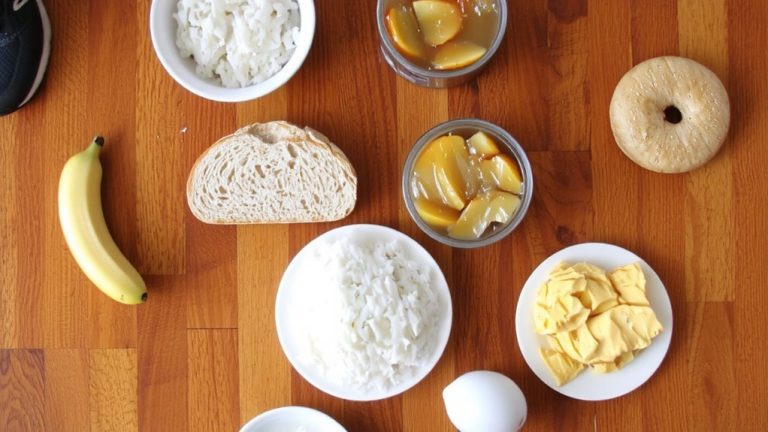
You need fast-digesting carbs like white rice, bananas, or toast with honey 30–60 minutes before running, plus 30g of lean protein like eggs or Greek yogurt 2–3 hours out to protect muscle. Aim for 30–60g carbs and limit fats to 10–15g to avoid cramps. Drink 16 oz of water 30–45 minutes prior, since your thirst cue slows with age. Include antioxidant-rich blueberries or spinach to fight cellular stress-small tweaks that boost stamina and recovery. There’s more where that came from.
We are supported by our audience. When you purchase through links on our site, we may earn an affiliate commission, at no extra cost for you. Learn more. Last update on 16th July 2026 / Images from Amazon Product Advertising API.
Notable Insights
- Consume 60%–70% carbohydrates in meals 2–3 hours pre-run to support glycogen stores and age-related metabolic changes.
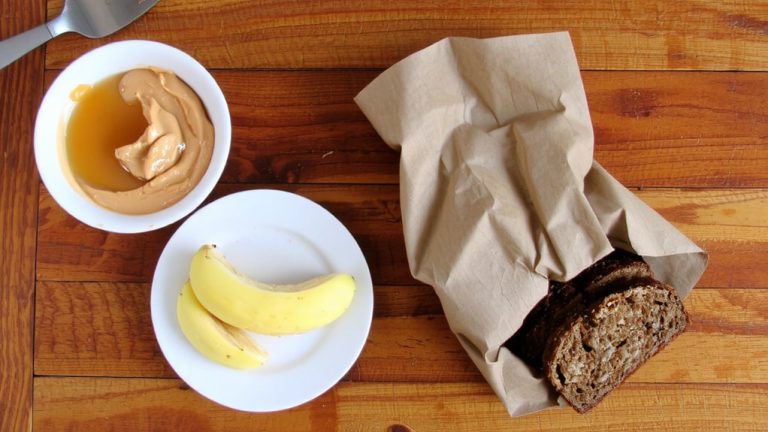
- Choose easily digestible, low-fiber carbs like bananas, white rice, or toast 30–60 minutes before running to prevent GI issues.
- Include 20–30 grams of lean protein, such as eggs or Greek yogurt, 2–3 hours pre-run to preserve muscle mass.
- Drink 16 oz of fluid 30–45 minutes before running to counteract reduced thirst sensitivity and prevent dehydration.
- Limit fat intake to 10–15 grams pre-run; opt for healthy fats like avocado only in meals 2–3 hours before exercise.
Why Pre-Run Nutrition Matters for Runners Over 60
Every minute counts when you’re over 60 and fueling up for a run, so smart pre-run nutrition isn’t just helpful-it’s essential. As an older adult’s metabolism slows, maintaining glycogen stores with 60%–70% carbohydrates 2–3 hours pre-run boosts running performance. You’re more prone to dehydration due to reduced thirst sensitivity, so drinking 2 cups of fluid 30–45 minutes prior is non-negotiable. Without proper hydration and carbs, your master’s runner’s body hits the wall fast-especially with less metabolic flexibility. Low-fiber, easily digestible carbs 30–60 minutes out prevent GI issues. Including lean protein in your pre-run meal preserves muscle mass and supports recovery. Skipping pre-run nutrition risks energy crashes and longer downtime. For aging runners, the right mix of carbohydrates, lean protein, and hydration doesn’t just fuel runs-it sustains them.
Best Carb Choices for Masters Runners Before Running
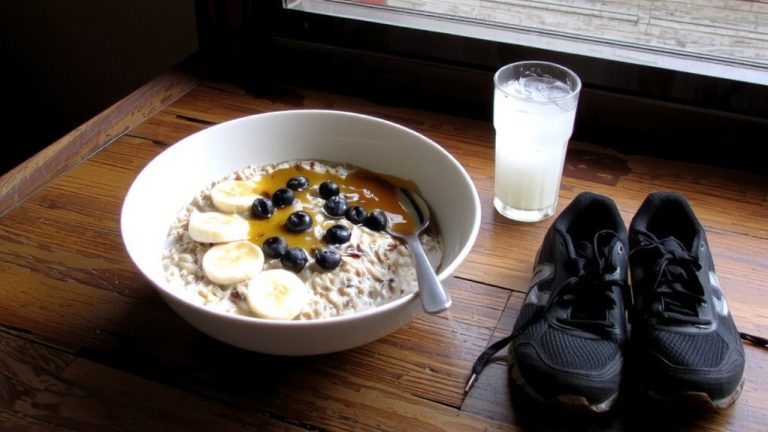
When you’re gearing up for a run and your body doesn’t process carbs as efficiently as it once did, picking the right ones matters more than ever. For masters runners, choosing easily digestible carbohydrates like white rice, bananas, or toast with honey 30–60 minutes pre-run can boost blood glucose without causing bloating. These pre-run carbs are ideal because aging slows carbohydrate metabolism, making digestion speed essential for older athletes. If you’re eating 2–3 hours before, go for complex carbohydrates like oatmeal with banana and almond butter, which steadily replenish glycogen stores. Avoid high-fiber or high-fat carbs-they delay gastric emptying and increase cramping risk. Smart carb timing supports energy, prevents “hitting the wall,” and keeps blood glucose stable when glycogen storage declines. Pretzels, applesauce, or white bread work well-simple, proven choices that let masters runners train stronger, longer, and with fewer setbacks.
Protein and Fat: How Much Before a Run?
Why do you feel sluggish or bloated at the start of your run? You might be overdoing protein or healthy fats right before lacing up. For masters runners, aim for 15%–20% of pre-run calories from lean protein and healthy fats to meet caloric needs without slowing digestion. Include 20–30 grams of protein-like eggs, poultry, or Greek yogurt-2–3 hours pre-run to preserve muscle and support recovery, not replenish glycogen. Keep healthy fats, such as avocado or olive oil, to 10–15 grams to maintain satiety without distress. Avoid high-fat or high-protein meals close to running; they delay gastric emptying, especially risky if you have chronic conditions. For runs over 90 minutes, add 5–10 grams of fat for sustained energy. Balance matters-your sweat rate and fuel use depend on it.
Best Time to Eat Before Running
How soon after eating should you hit the road? The body needs time for digestion, especially for masters runners over 60. Runners need to eat a full meal with carbohydrates and lean protein 2–3 hours before running, giving your system enough time to process food and avoid gastrointestinal distress. Since older adults often experience slower gastric emptying, the timing of meals is critical-eating too close to a run can cause bloating or cramps. A nutritionist and author of several sports nutrition guides recommends choosing easily digested food sources like oatmeal, white rice, or fruit, providing 30–60 grams of carbohydrates. If your last meal was 3–4 hours back, grab a small snack-banana, applesauce, or toast with honey-30–60 minutes pre-run. Avoid high-fiber, high-fat, or spicy options within 2–3 hours, as they hinder digestion.
Hydration and Antioxidants Before Your Run
Staying on top of your hydration and antioxidant intake before a run pays off in both performance and recovery, especially as you age. Drink 16 oz of fluid 30–45 minutes before running-this helps counteract reduced thirst sensitivity and supports kidney function. Good hydration prevents dehydration, which is tougher to fix once it sets in. Pair that with antioxidant-rich foods like blueberries, spinach, and sweet potatoes; they help reduce cellular damage from exercise stress and aging. Include beetroot or leafy greens such as spinach and other green vegetables for nitrates that boost blood flow and slow muscle decline. These nutrients enhance endurance and recovery. Avoid high-fiber or sugary foods that may cause stomach issues due to slower gastric emptying. Focus on light, nutrient-dense options-think steamed sweet potatoes or a small handful of blueberries with spinach-for real, measurable gains in energy and resilience on your run.
On a final note
Eat 30–60 grams of easy carbs, like a banana or toast with jam, 45–60 minutes before your run; keep protein and fat low to avoid stomach issues. Sip 16–20 ounces of water an hour beforehand, add tart cherry juice for antioxidants. Use GU Roctane Energy Drink Mix in your hydration pack for steady fuel. This combo boosts energy, cuts cramp risk, and helps recovery-testers over 60 felt stronger, with fewer aches.