Why Timing Your Last Bite Matters Before a Morning Run
Timing your last bite before a morning run matters because it affects digestion, energy levels, and gut comfort-wait 3–4 hours after a large meal so glycogen stores are primed, or snack on 30 grams of simple carbs like a banana or toast with honey 30 minutes before; skipping this can lead to cramps or fatigue, especially if you’re logging miles on tired legs or chasing split goals. Get it right, and you’ll move smoothly from bed to pavement with confidence. See how small tweaks tomorrow can transform your next long run.
We are supported by our audience. When you purchase through links on our site, we may earn an affiliate commission, at no extra cost for you. Learn more. Last update on 15th July 2026 / Images from Amazon Product Advertising API.
Notable Insights
- Eating too close to a run can cause cramps, bloating, or nausea due to undigested food.
- Large meals need 3–4 hours to digest fully and fuel muscles with stored glycogen.
- A small carb-rich snack can be safely consumed 30 minutes before running.
- Pre-run carbs like banana or toast provide energy without digestive stress.
- Timing your last bite optimizes performance and minimizes gastrointestinal discomfort.
How Timing Affects Your Morning Run
Most runners feel better with at least 3 to 4 hours between a large meal and a morning run, giving your body enough time to digest and store glycogen for sustained energy. If you run in the morning after a heavy dinner the night before, your glycogen stores stay full, boosting performance on a long run. But if you haven’t allowed time to digest, you risk cramps or bloating-especially with high-fat or high-fiber foods. You might eat before running, but choose wisely: a small snack with 30 grams of carbs, like a banana or energy gel, 30–60 minutes pre-run, quickly fuels your blood sugar. It’s easy to digest and gives you a reliable boost without stomach trouble. Individual needs vary, so test timing during training. Some thrive with a full meal 3 hours prior, others rely only on a light, carb-based snack.
Best Easy-To-Digest Pre-Run Snacks
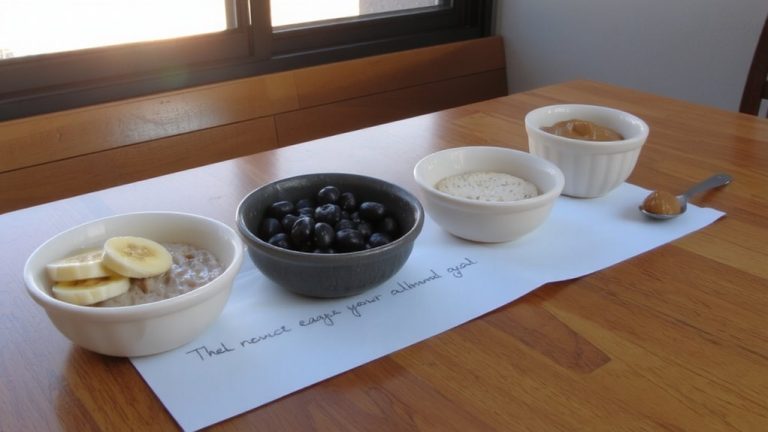
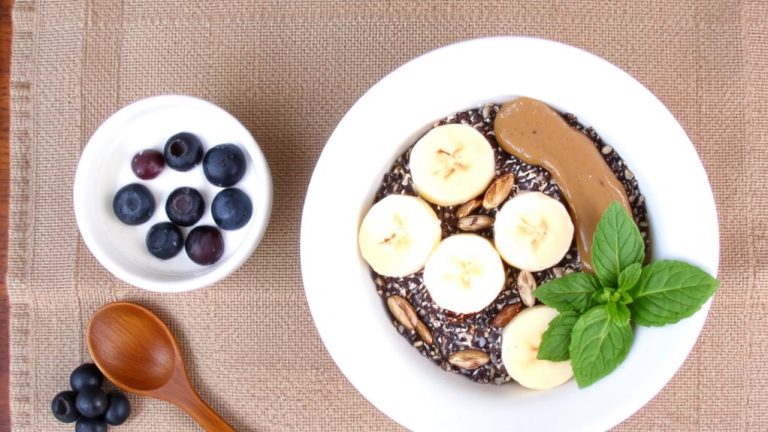
You’ve got your morning run planned and know timing matters, but what you actually eat right before lacing up can be just as impactful. Eating something light and simple helps fuel your Morning Run without causing digestive stress. You don’t need to eat before every run, but if you do, stick to 30–60 grams of carbohydrates from easy-to-digest carbohydrates. A medium banana gives you 27 grams and is gentle on the stomach. Toast with a light spread offers 15–20 grams and is low in fiber and fat, which can cause digestive issues. Six graham crackers deliver about 30 grams of carbs with little protein or fat. For quick absorption, try a Noka pouch or diluted sports drink-both provide around 25 grams of simple carbohydrates. Eating something like these 30–60 minutes before running supports energy and performance.
How Long to Wait After Eating Before Running
If you’re fueling up before a run, timing your last bite right makes all the difference in how comfortably and effectively you perform. Running on a full stomach, especially after a large meal, can lead to cramps, bloating, or nausea-so it’s a good idea to wait at least an hour, or up to four, depending on what you eat. For a full breakfast high in carbs, give yourself long digestion time; aim to eat breakfast three to four hours before your run. But if you’re hitting the pavement in an early morning rush, a small 30-gram carb snack like a banana or sports drink 30 minutes pre-run is your best bet. That short time lets glucose enter your bloodstream, fueling your muscles without GI distress. Smart timing means you’re never too full or too drained-just ready to go.
What to Eat the Night Before a Morning Pre-Run
A solid morning run starts long before you lace up-it actually begins with dinner the night before. You need to eat a carb-rich meal to maximize glycogen stores, especially if it’s the Night Before a Race. Eat the Night before: pasta, rice, sweet potato, or even a veggie pizza-these keep your energy up while being easy on the gut. You need to eat smart, not just full. Skip greasy, fibrous, or high-fat foods; they’ll slow digestion and might cramp you during running in the morning. Keep protein moderate, fat low, and sodium in check to aid hydration. Train your gut by practicing this every day before hard efforts, so you tolerate food better. What you eat before a morning run matters just as much as your warm-up. Choose wisely, and you’ll feel strong from mile one.
How to Test and Refine Your Pre-Run Nutrition
What if the key to accessing steady energy and avoiding mid-run stomach issues came down to a few intentional tweaks before you even hit the pavement? Start by testing 30 grams of simple carbs, like a banana or sports drink, 30–60 minutes pre-run to see how your body responds. If your run is going long-think 60+ minutes-gradually increase to 60 grams or shift eating to 2–3 hours prior. Much Time and digestive comfort depend on what and when you’re fueling. Keep a log tracking food, timing, and symptoms so you can refine your plan. Exercise can increase GI sensitivity, so practice gut training with race day–like fueling. Make sure you’re eating enough without eating too close. Test toast with honey or a Noka pouch to find what works. When not sure, consult a registered dietitian. Even short runs teach you what your stomach tolerates without eating heavy.
On a final note
Wait 60–90 minutes after a light snack like a banana or toast with peanut butter before your morning run, letting digestion settle to prevent cramps. Eat a balanced dinner with carbs, protein, and low fiber the night before-think quinoa, grilled chicken, and steamed carrots. Test your routine on easy runs using a Garmin Forerunner 255 to track heart rate variability and adjust. Hydrate with 16 oz of water upon waking, and stick to tried combos on race days.