Best Pre-Run Nutrition for Diabetic Runners on Insulin
Check your blood sugar before running-it should be between 100 and 180 mg/dL for safety. If it’s below 100, take 15–20 grams of fast-acting carbs like glucose tablets or juice. Aim for 30–40 grams of low-fiber carbs, like white toast with jam or a small banana, 1–2 hours pre-run. Pair with peanut butter for steady energy. Avoid high-fiber or high-fat foods close to run time. If your levels are rising above 250 mg/dL without ketones, a tiny insulin correction may help. Time meals and insulin carefully-bolus 2–3 hours before running to reduce hypoglycemia risk. Steady trends on your CGM mean you’re ready to go. More details on fine-tuning your pre-run plan follow.
We are supported by our audience. When you purchase through links on our site, we may earn an affiliate commission, at no extra cost for you. Learn more. Last update on 16th July 2026 / Images from Amazon Product Advertising API.
Notable Insights
- Consume 30–40 grams of low-fiber, easily digestible carbs 1–2 hours before running to prevent hypoglycemia.
- Pair pre-run carbs with protein or fat, like toast with peanut butter, for steadier glucose absorption.
- Check blood sugar before running; aim for 100–180 mg/dL to ensure safe exercise conditions.
- If blood sugar is below 100 mg/dL, take 15–20 grams of fast-acting carbs and recheck before starting.
- Avoid high-fiber or high-fat foods close to run time due to delayed gastric emptying and absorption.
Why Diabetic Runners on Insulin Need Pre-Run Fuel
While you might feel tempted to skip a pre-run snack, especially if you’re managing diabetes with insulin, fueling before exercise is essential when you plan to run within three hours of your mealtime insulin dose-since that’s when hypoglycemia risk climbs. That rapid-acting insulin is still active, and your muscles are pulling in glucose more efficiently, even without extra insulin. If you don’t eat before a workout, your blood sugar levels can drop fast. To prevent hypoglycemia, aim for 30–40 grams of easily digestible carbohydrates 1–2 hours pre-run. Pairing those carbs with a bit of protein or fat, like toast with peanut butter, slows absorption for steadier energy. Smart fueling strategies keep your glucose in range and your run on track-especially if your levels are near or below 100 mg/dL.
Check Your Blood Sugar Before Running: Safe Ranges and Actions?
You’ve fueled up with the right mix of carbs and protein to keep your energy steady, but before you lace up your Brooks Ghost or tighten the straps on your Garmin watch, there’s one non-negotiable step-checking your blood sugar. Always check your blood sugar to confirm it’s in the safe range: 100 to 180 mg/dL. This minimizes hypoglycemia risk during your run. If glucose levels are below 100 mg/dL, take 15–30 grams of fast-acting carbohydrates, like glucose tablets or juice, then recheck. Avoid running if blood sugar exceeds 300 mg/dL, especially with ketones or symptoms of hyperglycemia. With continuous glucose monitoring, watch trends-start your run only if levels are stable or slightly dropping, not during sharp declines.
What to Eat When Blood Sugar Is Low or High Pre-Run?
If your blood sugar reads below 100 mg/dL before a run, grab 15–20 grams of fast-acting carbs-like four glucose tablets or 4 ounces of orange juice-to quickly raise levels and prevent a crash during your workout. Don’t eat high-fiber or high-fat foods here; they slow absorption and could leave you low mid-run. When your blood glucose levels are between 100–180 mg/dL, have a balanced snack with 30–40 grams of low-fiber carbohydrate intake and a bit of protein-think a small banana with peanut butter. It keeps energy steady without spiking insulin needs. If you’re at 180–200 mg/dL, skip extra carbs and start slow, watching your trend. Above 250 mg/dL without ketones? Consider a tiny insulin correction-like 0.5 unit-30 minutes pre-run to avoid worsening hyperglycemia.
Best Low-Fiber Carbs for Runners on Insulin
When you’re managing diabetes and hitting the road on insulin, choosing the right carbs before a run makes all the difference-opt for low-fiber options like white bread, a small banana, or a bowl of low-fiber cereal, since they deliver 30–40 grams of fast-digesting fuel without the gut issues high-fiber foods can trigger. If you need to eat 1–2 hours pre-run, this kind of meal helps prevent unpredictable blood sugar spikes. Unlike complex carbohydrates or whole grain choices, low-fiber carbs digest quickly, so your glucose response is more predictable. About 30–60 minutes before, try toast with jam or a small bagel-real runners report these cause less bloating. Avoid high-fiber meals close to run time; they delay gastric emptying. White bread isn’t usually recommended daily, but here, it works. You need to eat smart, timed right, for steady energy and better insulin control on the move.
Pair Carbs With Protein to Avoid Spikes
While fast-digesting carbs give you the fuel you need before a run, pairing them with a small amount of protein can make your blood sugar response far more predictable-especially if you’re managing diabetes with insulin. Try 15–30 grams of carbs from white toast or banana with 5–10 grams of protein like peanut butter or Greek yogurt. This combo slows glucose absorption, helping you manage blood sugar better and reducing insulin demand. A 3:1 carb-to-protein ratio, like half a turkey sandwich on white bread, can decrease postprandial spikes by up to 30%. Eating this way 45 minutes pre-run stabilizes glycemia more than the same amount of carbs alone. It may also help prevent exercise-induced highs or lows, reducing correction bolus needs. You don’t have to eat a balanced meal every time, but this strategy helps prevent spikes and supports steady energy, especially if you’re concerned about insulin resistance.
How to Time Insulin and Food Before a Run
Pairing carbs with protein sets you up for steady energy, but nailing the timing of insulin and food before a run is just as important for keeping your blood sugar in range. If you have diabetes, you need to make sure mealtime insulin is taken 2–3 hours pre-run to reduce insulin on board and lower the risk of low blood sugar. For a glucose level at 200 mg/dL, skip extra insulin-your body already has enough from residual medications that can cause hypoglycemia. If it’s over 250 mg/dL, a tiny dose (<0.5 unit) 30 minutes prior may help, but only if no recent bolus. Eat a meal or snack with 30–40 grams of low-fiber carbs 1–2 hours before starting. Time intake when your CGM shows a downward trend. Always consult your health care provider before adjusting your plan.
Pre-Run Meal Ideas for Diabetic Runners
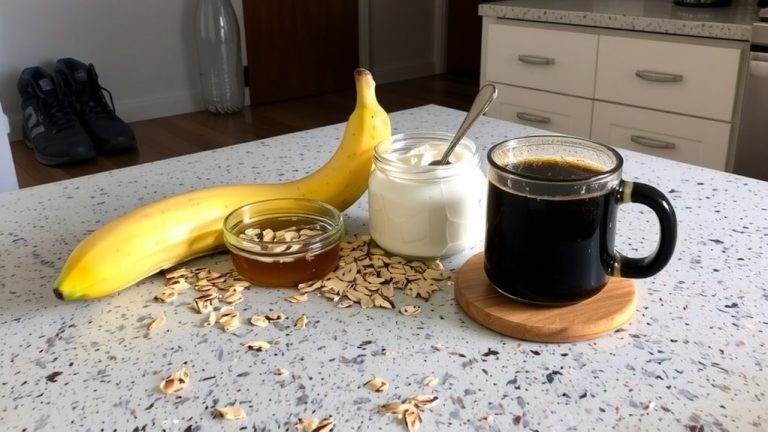
Since your body needs dependable fuel without the digestive hassle before a run, aim for 30–40 grams of low-fiber carbs like white toast, a ripe banana, or cooked oats, paired with 10–15 grams of protein such as a tablespoon of peanut butter or a half serving of Greek yogurt, eaten 1–2 hours before lacing up. This pre-run meal balances blood sugar and boosts running performance. If you’re running within one hour, go for a small snack like a banana with a spoonful of peanut butter or a fruit smoothie with whey protein-easily digested and a solid source of energy. Avoid high-fat or high-fiber food choices like nuts or whole grains, which slow digestion. Eating enough simple carbs guarantees stable glucose, especially after fasting. Test blood sugar 30 minutes pre-run; adjust if it’s under 100 mg/dL.
On a final note
You’ve got this: aim for 100–180 mg/dL before running, and grab 15–30g of low-fiber carbs like a banana or Clif Bloks if low. Pair with 5–10g protein, like peanut butter on toast, to smooth glucose swings. Time insulin carefully-avoid peaks during run; opt for a pre-bolus if needed. Stick to tried meals, monitor responses, and carry glucose tabs, like Dexcom G7 users do. Consistency beats guesswork every mile.