How to Fuel Before a Double Marathon Training Session
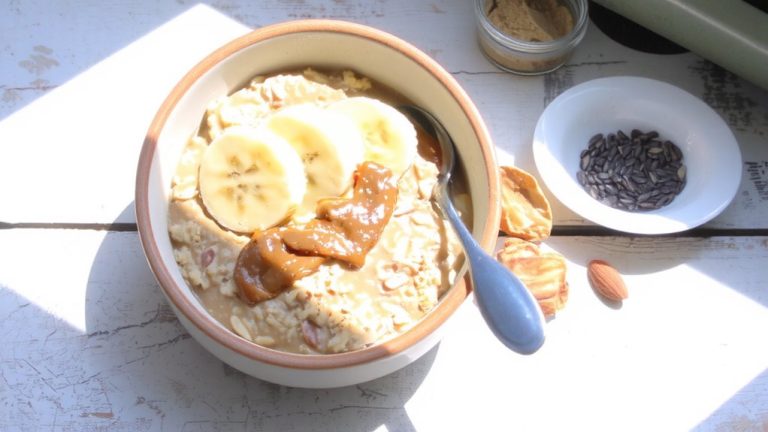
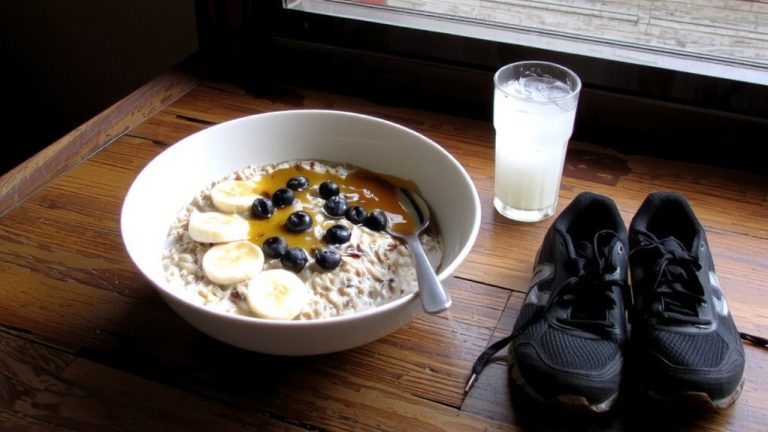
Eat 300–700 calories of low-fiber carbs and about 10g protein 2–4 hours before your first run, like oatmeal with banana and a boiled egg. Drink 16–24 ounces of fluid 1–3 hours prior, adding sodium if you’re a salty sweater. Top off with a 1g/kg carb snack 60–90 minutes before your second run. Avoid high-fat or fibrous foods to prevent GI issues. Train your gut weekly with gels or sports drinks so it handles fuel smoothly on double-run days. Smart timing and practice mean stronger miles-your next-level strategy starts here.
We are supported by our audience. When you purchase through links on our site, we may earn an affiliate commission, at no extra cost for you. Learn more. Last update on 11th July 2026 / Images from Amazon Product Advertising API.
Notable Insights
- Eat a 300–700 calorie meal 2–4 hours before the first run with 60–90g carbs and ~10g protein.
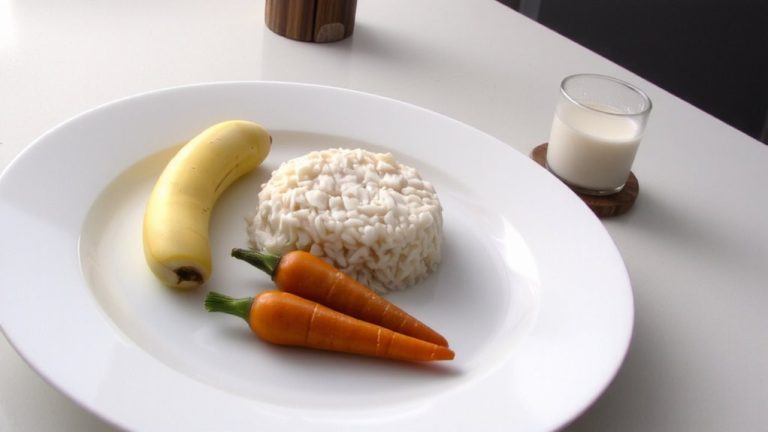
- Choose low-fiber, low-fat foods like oatmeal with banana and egg to prevent stomach issues.
- Drink 16–24 ounces of fluid 1–3 hours before starting, adding electrolytes if needed.
- Consume a 1g/kg carb snack with 20–40g protein within 30–60 minutes after the first run.
- Train your gut weekly by practicing carb intake of 60–90g/hour during long runs.
What to Eat Before Double Marathon Training Runs
When you’re prepping for back-to-back marathon training runs, nailing your nutrition can make or break your performance, so start with a solid meal 2–4 hours before the first session-think 300 to 700+ calories packed with 60–90g of carbs and about 10g of protein, like a bowl of oatmeal topped with banana slices and a boiled egg, to fully charge your glycogen stores. This pre-run meal should include low-fiber foods to prevent stomach issues, especially when you’re logging serious mileage. About 5–15 minutes before running, top off blood glucose with 20–30g of fast-digesting carbohydrates-grab an energy gel or sip a sports drink. These simple carbs digest quickly and deliver immediate fuel. Pairing protein with carbohydrates helps with muscle support, so you fuel properly without slowing down. Avoid high-fat or fibrous foods-they’re harder to digest and may cause discomfort during double sessions.
When to Fuel for Morning and Afternoon Sessions
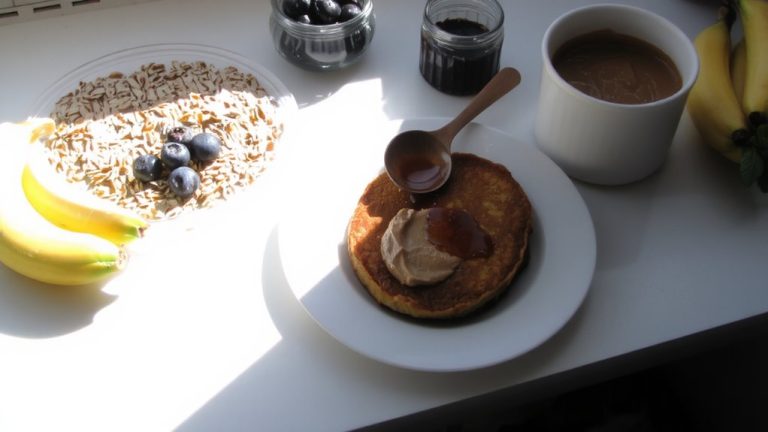
How do you time your fuel to crush both runs without bonking or bloating? For morning doubles, eat a carb-rich meal-think oatmeal with banana or a bagel with peanut butter-2–4 hours before your long run to top off energy stores. This gives digestion enough time so you’re not sloshing at mile one. After your first run, refuel within 30–60 minutes: aim for 1g/kg carbs and 20–40g protein to kickstart glycogen resynthesis. Stick to easily digestible foods or a recovery shake. For afternoon sessions, eat an early lunch by 11:00 AM, then snack 60–90 minutes pre-run with ~1g/kg carbs-low fiber, low fat. This timing keeps carbs per hour steady and avoids gut issues. Aligning fuel with your training plan guarantees you eat and drink strategically, not reactively, so sports nutrition works for you, not against you.
Train Your Gut to Handle Pre-Run Fuel
Although your muscles can handle the mileage, your gut might need just as much training to train your gut for double marathon sessions. Start with 50–100 calories of simple carbohydrates, like crackers or a banana, 30–60 minutes pre-run to kickstart digestive adaptation. Over 4–6 weeks, build to 200–300 calories-try oatmeal or a granola bar-to boost carbohydrate absorption. Your gastrointestinal tract can adapt to process 60–90 grams of carbs per hour, especially when you practice with sports drinks, gels or bars during long runs. This routine reduces GI issues and fine-tunes your fueling plan.
| Fuel Type | Timing | Example Product |
|---|---|---|
| Simple carbs | 30–60 min pre | Pretzels, crackers |
| Gels or bars | During run | GU Energy Gel, Clif Bar |
| Sports drinks | Pre & during | GU2O, Skratch Labs |
Pre-Run Hydration for Back-to-Back Runs
If you’re tackling back-to-back runs, getting your pre-run hydration right is just as critical as fueling your muscles. Aim for 16–24 ounces of fluid 1–3 hours before the first run to support baseline hydration. Add 8 ounces with a pre-run snack 60–90 minutes out to maintain fluid intake without overloading your GI tract. Start early if running in the afternoon-shoot for half your body weight (in pounds) in ounces of water daily. If you have a high sweat rate or are a heavy or salty sweater, include electrolytes in your pre-run drink; sodium losses can exceed 1,500mg per liter. Choose sports drinks or water with added sodium per liter to sustain plasma volume. This strategy prevents feeling heavy or bloated while optimizing fluid balance and performance across both runs.
Common Fueling Mistakes to Avoid
When you’re prepping for a double marathon training session, skipping your pre-run meal 3–4 hours before the first run is one move that’ll leave you dragging by the second leg-glycogen stores need time to top off, and without that window, you’re basically running on fumes when it counts. You need to eat 60–90g of carbs and avoid high-fiber or high-fat foods, which can cause GI distress. Running back-to-back sessions demands smart Nutrition: make sure you hydrate with 16–24oz of fluids plus electrolytes 1–3 hours before starting. Never skip gut training-your body needs to adapt. If you don’t experiment with different meals and snacks during long runs, you won’t know what works. Always plan to eat fuel that’s easy to digest, and remember: what you eat directly impacts your energy. You need to eat consistently to perform.
On a final note
Fuel smart, run strong. Eat 300–400 calories of easily digestible carbs, like a bagel with peanut butter or two rice cakes with honey, 60–90 minutes before your first run. Stay hydrated with 16–20 oz of water, plus electrolytes if it’s hot. Practice gut training weekly using the same fuel you’ll race with-testers love Maurten 320 in orange mango. Avoid high-fiber or fatty foods, and never try anything new on training day.