How to Eat Before a Marathon When Traveling
You lock in your pre-race nutrition at least a week before travel, aiming for 3–5 grams of carbs per pound of body weight during your 3-day carb-load. Pack tested snacks like white bagels, pretzels, and Maurten 320 Bars (40–50g carbs each) to stay on track. Use your hotel room to prep instant oatmeal, ramen, or white rice from the salad bar. Eat breakfast 2.5–3 hours pre-race: a white bagel with banana and honey gives 45–75g of simple carbs. Hydrate with 5–7 mL/kg fluid within 4 hours of start. Test Gatorade Endurance and Clif Shots in training, know aid station spacing every 1.5–2 miles, and carry backup fuel like GU Energy Gels or Honey Stinger Chews. Bring SaltStick Fastchews for electrolytes (200–500 mg/hour) if needed, and stick to low-fiber, familiar foods to avoid GI issues. You’ll feel fueled, steady, and ready to execute-there’s more where that came from.
We are supported by our audience. When you purchase through links on our site, we may earn an affiliate commission, at no extra cost for you. Learn more. Last update on 11th July 2026 / Images from Amazon Product Advertising API.
Notable Insights
- Plan your carb-loading strategy at least 3 days before race day, aiming for 3–5 grams of carbs per pound of body weight.
- Pack familiar, high-carb, low-fiber snacks like bagels, pretzels, and energy bars to maintain fueling during travel.
- Research restaurants near your stay that offer simple carb sources such as pasta, white rice, or bagels for pre-race meals.
- Use a hotel room Keurig or microwave to prepare instant oatmeal, ramen, or reheated rice for controlled, safe meals.
- Eat a 45–75 gram carb breakfast 2.5–3 hours before the race, and carry a gel or chews if topping off closer to start.
Plan Your Pre-Race Nutrition Before You Travel
While you’re still at home, locking in your pre-race nutrition plan at least a week before you travel gives you the best shot at hitting that essential 3-day carb-loading window-aim for 450 grams of carbs per day, or 3 to 5 grams per pound of body weight, to max out glycogen stores. When traveling for a race, you can’t assume access to a kitchen, especially when staying in a hotel. Use a carb calculator to tailor your needs and stick to the three days of carb load without guesswork. Research restaurants near your race site early so you know where to grab pasta, bagels, or white rice. If you’re unsure about meal quality, pack non-perishable foods like instant oatmeal or dried fruit. Planning ahead removes stress and keeps your fueling on track, so you’re race-ready.
Pack Carb-Rich, Low-Fiber Snacks for Travel Days
Since you’re not always near a grocery store or restaurant that fits your carb goals, packing smart snacks keeps your fueling on track without guesswork. On travel days, pack snacks that are carb-rich and low in fiber to support steady carb-loading without digestive issues. Think white bagels, pretzels, graham crackers, and dried fruit-all proven to top off glycogen stores fast. Add in energy bars like the Maurten 320 Bar (40–50g carbs) or fig bars (38g each) for portable, non-perishable fuel. These low-fiber snacks digest easily and help you hit 3–5 grams of carbs per pound of body weight daily. Stick to familiar options tested in training to avoid surprises. By packing snacks ahead, you guarantee consistent carb intake, keep energy stable, and protect your hard-earned glycogen stores-all critical for race day readiness.
Cook High-Carb Meals in Your Hotel Room
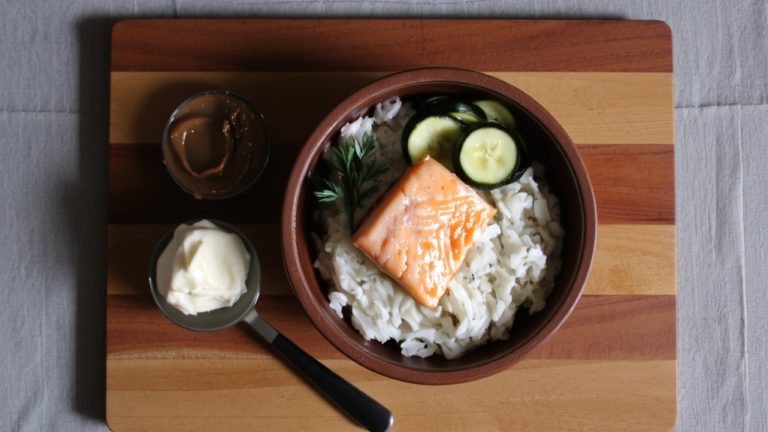
You can pull off a solid carb-load in any hotel room with just a Keurig and a few smart shopping trips. Use the Keurig to brew hot water for instant oatmeal or ramen-both are rich in complex carbohydrates and easy to digest. Add a bagel with peanut butter for extra calories and staying power. Pick up white rice from a grocery store salad bar, then reheat it with hot water from the coffee maker. Carry a fork from the restaurant to eat your meals without hassle. Store bagels, pretzels, and fruit in the mini-fridge to hit your 450-gram daily carb target during carb loading. Make sure your fueling plan includes tested, low-fiber options to avoid GI issues. Stick to familiar foods during marathon week to support your performance without surprises.
Time Your Race Morning Breakfast Like a Pro
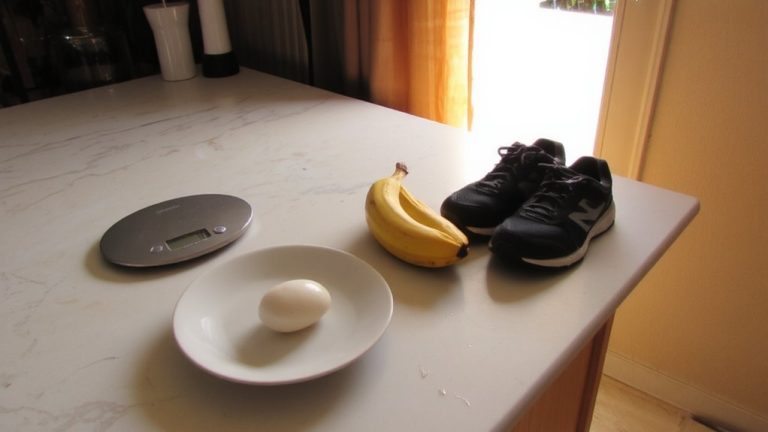
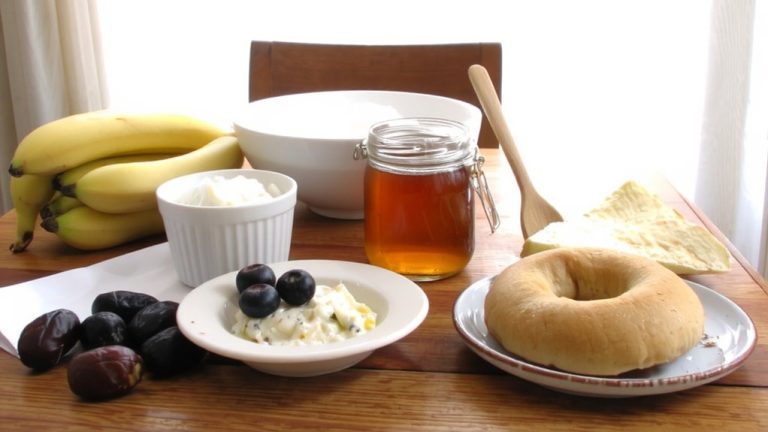
What if the secret to nailing your marathon start isn’t just *what* you eat, but *when* you eat it? On race morning, timing your breakfast right is key to how you’ll feel at mile 20. To eat before a long run like a pro, aim to eat breakfast 2.5 to 3 hours before the start-giving your body time to digest without risking discomfort. You should know what to eat: go for 45–75 grams of carb from a simple meal like a white bagel with banana and honey. Don’t skip your electrolyte drink; hydrate with 5–7 mL/kg of fluid in the 4 hours before. If you Eat Before a Marathon too early, top off with energy gels or pretzels 15 minutes pre-race. These nutrition tips guarantee you’re fueled, not full, and ready to perform.
Know Aid Station Fuel: and Bring Your Own Backup
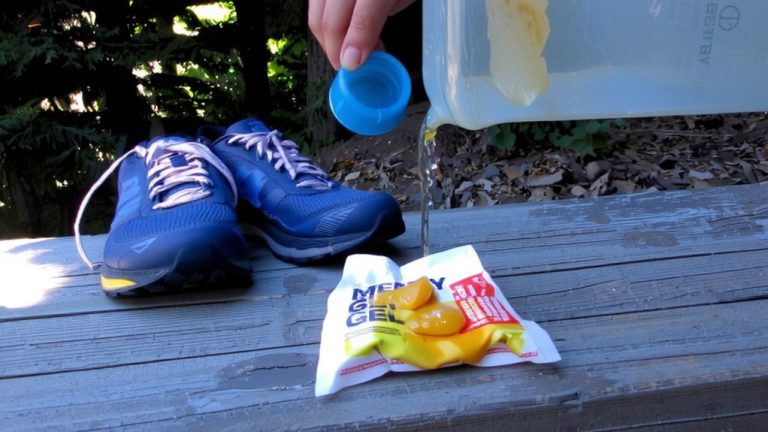
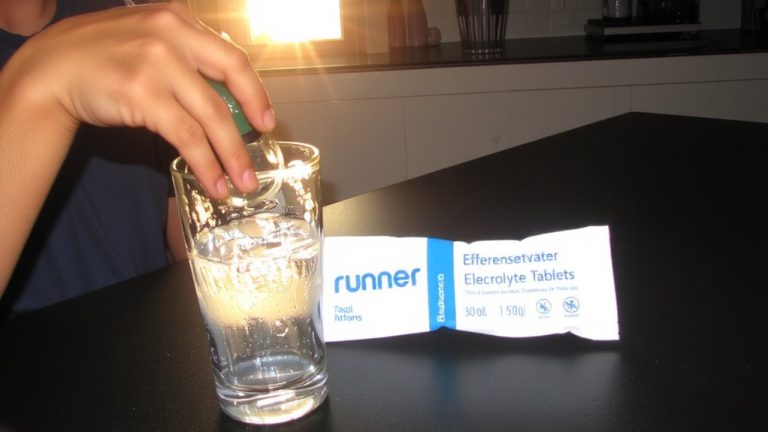
A solid breakfast sets the stage, but what keeps you strong past mile 18 often comes from what’s waiting-or what you bring-on the course. When training for a marathon, use long training runs to test the aid station fuel like Gatorade Endurance or Clif Shots so you’re ready on race day. Know where stations are-usually every 1.5 to 2 miles-and whether gaps require you to bring your own backup fuel. Plan your carbohydrate intake at 30–90 grams per hour with trusted energy gels or sports drinks. If sodium is low in the provided options, pack electrolyte capsules like SaltStick Fastchews (200–500 mg/hour). Carry everything in a race belt or hydration pack.
| Bring Your Own | Matches Aid Station |
|---|---|
| GU Energy Gels | Sports drinks |
| Honey Stinger Chews | Energy gels |
| Electrolyte capsules | Carbohydrate intake support |
On a final note
Stick to simple carbs and low-fiber foods 2–3 days before race day, even on the road, aiming for 3–5 grams of carbs per pound of body weight daily. Pack portable options like pretzels, instant oats, and GU Energy Chews. Use a mini-fridge to prep rice or pasta. Eat a familiar breakfast-try Honey Stinger Waffles or bananas with peanut butter-90 minutes pre-race. Bring your own gels, just in case.