How to Choose Pre-Run Foods Based on Personal Digestive Tolerance
You know your gut best, so pick pre-run foods based on how you handle fiber, fat, and FODMAPs. If you’re sensitive, stick to fast-digesting carbs like white toast with jelly, ripe banana, or a CLIF Bar 2–3 hours before running. Low tolerance? Try 20–25g from a gel or sports drink 15 minutes out. Train your gut with 30–60g/hr of glucose-fructose mixes like GU Roctane or SiS GO Gels, boosting up to 54% carb oxidation over six weeks. Next steps reveal how timing and training shape race-day fueling success.
We are supported by our audience. When you purchase through links on our site, we may earn an affiliate commission, at no extra cost for you. Learn more. Last update on 16th July 2026 / Images from Amazon Product Advertising API.
Notable Insights
- Match meal size and timing to your gut tolerance, eating larger meals 2–3 hours pre-run or small carbs 15–30 minutes before if sensitive.
- Choose low-fiber, low-fat, low-protein foods like white toast or ripe banana to minimize GI distress risk.
- Avoid high-FODMAP foods, sugar alcohols, and fructose-rich fruits that can trigger bloating, gas, or urgency.
- Use fast-digesting carbs such as sports drinks, gels, or graham crackers for fuel within 60 minutes of running.
- Train your gut gradually with increasing carb intake during runs to improve tolerance and absorption over 2–6 weeks.
Know Your Digestive Triggers
While your go-to pre-run meal might work just fine most days, paying attention to what triggers digestive upset can make the difference between a strong finish and an uncomfortable slog. Common digestive triggers like high-fiber foods-beans, broccoli, Brussels sprouts-slow gastric emptying and boost GI distress risk within 3 hours of running. Sugar alcohols (xylitol, sorbitol, erythritol) in sugar-free gum or bars can pull water into your gut and trigger urgent bathroom stops. Fructose-rich fruits like apples and pears, along with fatty foods such as bacon or cheese, delay gastric emptying too, increasing chances of cramping or diarrhea. Foods high in FODMAPs often ferment in the gut, worsening symptoms. There’s no one-size-fits-all-individual tolerance varies wildly. That’s why trial and error is essential: track meals, symptoms, and runs to pinpoint your personal triggers.
Choose Fast-Digesting Carbs That Work for You
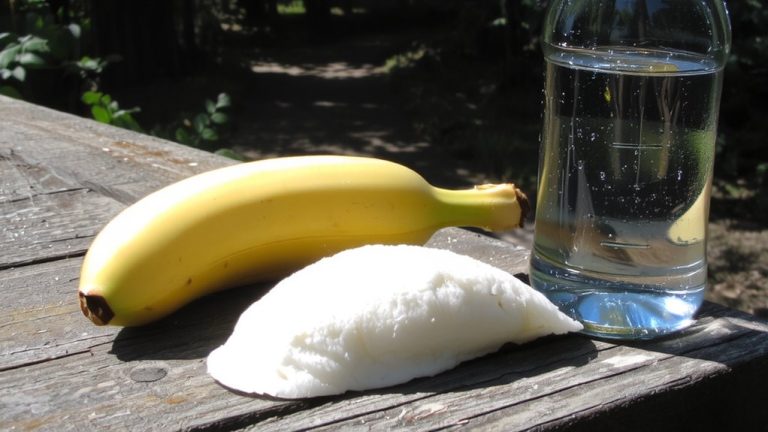
Since you’re aiming to fuel your run without weighing down your stomach, opt for simple carbs that clear your gut fast and deliver quick energy, like white toast with a thin layer of jelly, a ripe banana, or a serving of CLIF Energy Bar-each providing 30 to 40 grams of carbohydrates per serving and tested by runners to cause minimal distress when eaten 1–2 hours before a workout. These fast-digesting carbs, including graham crackers, bananas, and sports drinks, are proven pre-run snacks that support steady carbohydrate intake with little risk of gastrointestinal (GI) distress. But your individual tolerance matters most-what works for others might not suit you. Test different simple carbohydrates during training runs to find what your stomach can handle. Avoid fiber, fat, or protein that could slow digestion. Over time, practice gut training to increase carb tolerance, using drinks or gels to safely boost intake to 60+ grams per hour.
Time Your Pre-Run Meal Based on Tolerance
If your stomach tends to act up when you run soon after eating, timing your pre-run meal around your digestive tolerance can make all the difference, so aim to eat a full carbohydrate-rich meal 2–3 hours before your run if you’ve got moderate to low gut tolerance-this gives your body enough time to process the food and lowers the chance of cramping or bloating. This window supports proper gastric emptying and reduces GI distress, especially during intense training runs. If you’ve got high digestive tolerance, you might handle a larger meal up to 4 hours out. For low tolerance, stick to 20–25g of simple carbs, like a gel or small banana, 15–30 minutes before. Avoid solids within 60 minutes; opt instead for liquid carbohydrates like sports drinks (≤8%) to ease pre-run fueling. Test timing on training runs-adjust based on how you feel.
Train Your Gut to Handle Fuel During Runs
You can boost your ability to absorb fuel on the move by training your gut just like you train your legs-start with 30–60 grams of carbs per hour during runs using easily digestible sources like GU Roctane Energy Drink Mix or SiS GO Gels, gradually increasing intake over 2–6 weeks to enhance exogenous carbohydrate oxidation by up to 54%, reduce GI distress, and support sustained energy on long runs. Consistent gut training improves digestive tolerance, letting you rely on quick-burning glucose and fructose mixes instead of complex carbs. Use a sports drink with an 80:20 glucose-to-fructose ratio to maximize absorption. Avoid pre-run fuel high in FODMAPs or sugar alcohols to prevent gastrointestinal (GI) issues.
| Week | Carbohydrate Intake (g/hr) | Fuel Source Example |
|---|---|---|
| 1–2 | 30–45 | Sports drink, 1 gel |
| 3–4 | 45–60 | Drink + 1 gel |
| 5–6 | 60–75 | Double carb mix, gel + chews |
| Race | 60–90 | Trained gut, glucose/fructose |
Train your gut early, stick to proven pre-run fuel, and simulate race nutrition to build fueling confidence.
On a final note
Know your gut, choose simple carbs like banana or toast 30–60 mins pre-run, and stick to 100–200 calories. If you’re sensitive, try low-FODMAP options like white rice cakes or peppermint tea. Practice fueling on easy runs, using GU Energy Chews or Tailwind in 4-oz sips every 15 minutes. Real testers saw fewer cramps when they trained their digestion just like their legs-consistently, gradually, and with timing.