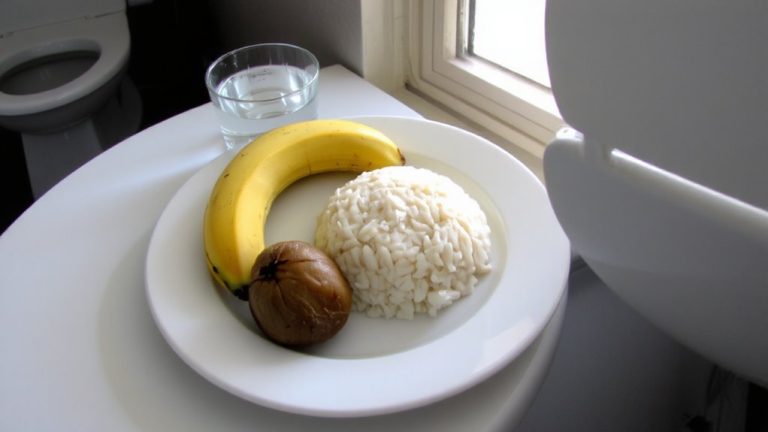
Why Pre-Run Carbs Should Be Familiar and Tested
Stick to familiar, tested carbs before your run-unproven fuels like new energy gels or bars can cause stomach trouble, even at recommended rates of 120 g/h. Your gut adapts to what it knows, supporting up to 1.7 g/min carb oxidation with less discomfort. Practice with real foods like banana, white bread, or sports drinks during training to nail timing and tolerance, especially 1–4 hours pre-run. Get this right, and you’ll fuel smarter, avoid GI stress, and find better ways to optimize every mile.
We are supported by our audience. When you purchase through links on our site, we may earn an affiliate commission, at no extra cost for you. Learn more. Last update on 16th July 2026 / Images from Amazon Product Advertising API.
Notable Insights
- Unfamiliar carbs on race day increase the risk of gastrointestinal distress, even if recommended intake levels are followed.
- Pre-run fuels tested in training ensure your gut can handle high carbohydrate intake without discomfort.
- Consuming familiar, low-fiber, low-fat carbs pre-run maximizes glycogen storage and minimizes stomach issues.
- Gut training with consistent carb sources enables higher oxidation rates, supporting up to 120 g/h during intense efforts.
- Testing fuels like gels or bars in practice runs confirms tolerance and prevents mid-race energy crashes.
Avoid New Pre-Run Carbs on Race Day
While you might be tempted to try a new energy gel or carb-loaded bar on race morning, doing so could backfire fast-stick to fuels you’ve practiced with during training to avoid GI distress when it matters most. Introducing unfamiliar carbohydrates on race day risks gastrointestinal distress, even at recommended carbohydrate intake levels like 120 g/h seen in elite runners. Your pre-race nutrition should prioritize tested carbohydrate sources low in fiber and fat to prevent bloating or cramps. Aim to top off muscle glycogen with familiar high-carb foods 1–4 hours before running. A 150-pound runner may need 550–650g of carbs daily, but on race morning, only consume carbs before running that your stomach has proven to handle. Novel fuels, no matter how well-reviewed, aren’t worth the risk when tested ones do the job cleanly and reliably.
Train Your Gut With Familiar Foods
| Strategy | Carbs per Hour | Result |
|---|---|---|
| Trained Gut | 120 g | High oxidation, low GI issues |
| Untrained Gut | 120 g | Frequent discomfort |
| Swish & Spit | 0 g | Quick energy, no digestion |
Choose the Right Carb Type for Your Run
Since not all carbs fuel your run the same way, picking the right type comes down to matching the glycemic index to your effort and duration, and you’ll see the best results when you treat carbs like tools-not just snacks. For runs over 90 minutes, choose low-glycemic index options like whole grain or legumes to steadily replenish glycogen stores and maintain stable blood glucose levels. Before short, intense efforts, go for high-GI carbs like bananas or white bread-they’re high carbohydrate and easy to digest, giving you quick energy. Mix both types for variable efforts to balance immediate and sustained fuel. Refined carbs can spike blood glucose too fast, increasing risk of gastrointestinal distress, so stick to whole, unprocessed sources when possible. Follow carbohydrate recommendations of 30–60 grams of carbohydrates per hour during long runs, adjusting based on your tolerance and intensity.
Test Your Pre-Run Fuel in Training
When you’re preparing for a big race, nailing your fueling strategy isn’t something to leave until the last minute-especially when elite male runners with 2:22 marathon personal bests are testing carb intakes of 60, 90, and even 120 grams per hour during two-hour treadmill runs at race pace. You need to test your pre-run fuel to maximize muscle and liver glycogen and support your nutrition strategy. Endurance runners who practice high-dose carbohydrates-up to 120 g/h-boost gastrointestinal tolerance and carbohydrate oxidation rates up to 1.7 g/min. Science in Sport and Liverpool John Moores University found this intake improves running economy by 2.6%. Even with ample glycogen stores, carb use drops late in runs, so your fueling strategies must be trained. Carbohydrate loading works best when paired with real-world practice, so dial in what works-so your body’s ready race day.
Watch for Signs of Carb Intolerance
While you’re pushing your carb intake to maximize energy delivery, keep a close eye on how your gut responds-because even at peak conditioning, high rates of carbohydrate consumption, like 90–120 g/h, can lead to cramping, bloating, or diarrhea if your system isn’t trained to handle them. These signs point to carb intolerance or carbohydrate intolerance, often triggered by malabsorption during intense efforts. Up to 50% of runners report gastrointestinal distress mid-race, usually from untested carb sources or excessive high carbohydrate intake. Gut discomfort isn’t just uncomfortable-it can cause real fueling failures when your body can’t process the energy you’ve planned. Studies show even elite athletes absorb less carb late in exercise, likely due to reduced delivery or tolerance. To avoid this, stick to tested carbohydrates that match your training regimen, especially blends like maltodextrin-fructose, which support high oxidation rates only when your gut’s adapted.
Make a Pre-Run Carb Checklist
If you’re aiming to fuel strong and avoid mid-run crashes, start by building a pre-run carb checklist that’s tailored to your body and tested under race-like conditions-because what works for someone else might sabotage your pace. As a runner’s nutrition strategy, aim for 2–3 grams per kilogram of body weight 2–3 hours pre-run-like 120 grams of carbohydrates for a 130-lb runner-to maximize glycogen stores. Choose easily digestible, low-fiber, low-fat options: white rice, bananas, or toast with honey. These help replenish glycogen stores without GI stress. If you’re eating within 60 minutes, go for simple carbs like applesauce or a sports drink. Always test meals in training. A solid checklist includes familiar, high-glycemic foods that match your tolerance-so race-day fueling feels seamless, not risky.
Time Carbs to Avoid Stomach Issues
Timing your carbs right keeps your energy steady and stomach calm when it matters most. If you’re eating 1 hour before a run, aim for 1 g of carbohydrate per kg of body weight-about 30 g of simple carbohydrates to fuel your run without causing gastrointestinal issues. This could be a banana or sports drink, a quick source of energy that’s easy to digest. For pre-run meals 2–4 hours out, target 2–4 g of carbohydrate per kg to maximize glycogen stores. Keep in mind that high-fiber or high-fat foods in pre-run meals can cause gastrointestinal distress, so try eating low-residue options instead. Your body responds best when you match the amount of carbohydrate to your timing. Energy levels stay strong when you plan, and a carb-rich snack before bed helps morning runs by topping off liver glycogen.
On a final note
Stick to carbs you’ve tested during training-never try anything new on race day. Real runners found goo gels (like GU Energy) and banana halves with a splash of salt work best within 30–60 minutes of starting. Avoid high-fiber or high-fat options; they slow digestion. Time your fuel to finish digestion just as you begin, preventing cramps and keeping energy steady mile after mile.