The Best Pre-Run Meal for a 10-Mile Long Run
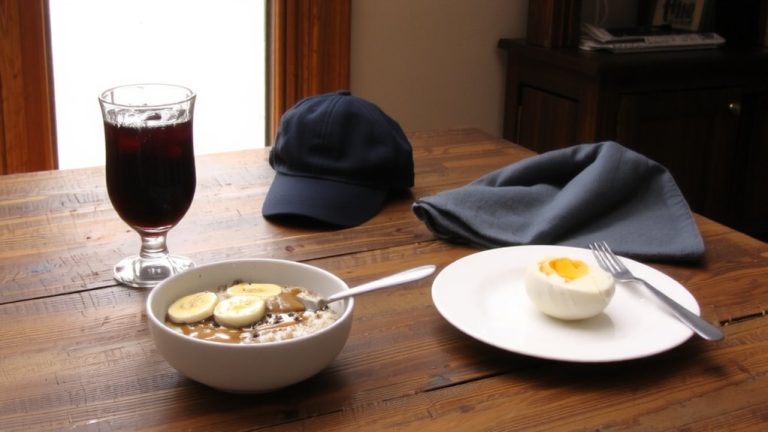
You need a carb-rich, easily digestible meal 3–4 hours before your 10-mile run to fuel your muscles and prevent bonking. Try oatmeal with banana or a bagel with cream cheese-both deliver 250–300 kcal of low-fiber carbs. Skip high-fat, spicy, or high-fiber foods to avoid cramps. Hydrate with 8–12 ounces of water or an electrolyte drink upon waking. A banana 30 minutes out works if time’s tight. You’ll feel stronger and more consistent mile after mile, especially when you know what fits your stomach best.
We are supported by our audience. When you purchase through links on our site, we may earn an affiliate commission, at no extra cost for you. Learn more. Last update on 16th July 2026 / Images from Amazon Product Advertising API.
Notable Insights
- Eat a carb-rich meal 3–4 hours before your run to fully replenish glycogen stores and prevent early fatigue.
- Choose easily digestible foods like oatmeal with banana or a bagel with cream cheese to minimize GI distress.
- Avoid high-fiber, high-fat, and spicy foods that can cause stomach cramps during the run.
- If eating closer to run time, have a low-residue snack like a banana or toast with jam 30–60 minutes prior.
- Hydrate with 8–12 ounces of water or an electrolyte drink 30–60 minutes before running to prevent dehydration.
Do You Need to Eat Before a 10-Mile Run?
Wondering if you should eat before a 10-mile run? Yes, you should Eat Before A Long run like this-especially since glycogen stores dip after overnight fasting. Without a proper meal, you risk low blood sugar and bonking by mile 7 or 8. For long runs, aim to eat a meal 2–4 hours prior with 1–4 grams of carbohydrates per kilogram to top off glycogen stores. This supports endurance and keeps your training plan on track. Skipping food might force you to Eat During a Long run, which isn’t always practical. Choose easily digested Pre-Run Snacks-avoid high-fiber, high-fat, or spicy options to prevent stomach cramps. A balanced meal fuels performance without GI distress, letting you finish strong and recovered, ready for tomorrow’s run.
Best Pre-Run Meal for a 10-Mile Run
A smart pre-run meal sets you up to power through all 10 miles without bonking or stomach trouble. For your Best Pre-Run Meal before a 10-Mile Long Run, focus on Carbohydrates to fuel Glycogen Stores-aim for 1–4g per kg of body weight. Choose Easily Digestible Carbs with moderate protein, and always follow sound Pre-Run Nutrition by Avoiding High-Fiber Foods and Avoiding High-Fat Foods. These choices prevent GI issues when blood flow shifts from digestion to muscles. A Low-Residue Snack like a banana or energy bar works if eating close to start time. Here’s what to include:
| Food Choice | Reason |
|---|---|
| Oatmeal + banana | Provides 250 kcal, Easily Digestible Carbs |
| Toast + PB + jam | Balanced Energy for Running |
| Bagel + cream cheese | High Carbohydrates, low fiber |
| Banana (30–60 min pre) | Quick Low-Residue Snack |
| Energy bar (low-fiber) | Convenient Pre-Run Nutrition |
When to Eat Before Your Run
You’ve already got your pre-run meal dialed in with the right mix of easily digestible carbs and minimal fiber to power through 10 miles, but timing that fuel just right makes all the difference in avoiding mid-run cramps or fatigue. If you’re eating a full pre-run meal, give yourself 3–4 hours to digest, so your body isn’t working overtime when you head out the door. This time to digest helps maintain blood sugar and prevents stomach issues. For early runs, timing gets tricky-running in the morning often means choosing between eating fast or going fasted. If you’re not used to running on an empty stomach, skip the fasted state and eat before running. Instead, eat before you head out with a light 80–160 kcal snack, like banana or toast with jam, 30–60 minutes prior. This small boost works especially well when the time of day limits your options, keeping you fueled without GI distress.
Pre-Run Hydration: What and When to Drink
While fueling gets most of the attention, nailing your pre-run hydration is just as critical for steady energy and avoiding cramps. Start your hydration before running by drinking water as soon as you wake-your body loses fluids overnight, so combating overnight dehydration is key. About 30–60 minutes before your run, aim for 8 to 12 ounces of fluid intake with electrolytes, especially sodium, to boost fluid absorption and maintain blood volume. Sip slowly to prevent stomach sloshing and reduce risk of gastrointestinal shutdown. Avoid high-sugar beverages, which can trigger cramping and upset your stomach.
| What to Drink | How & When to Consume |
|---|---|
| Water + electrolytes | 8–12 oz, 30–60 min pre-run |
| Plain water | Upon waking to fight overnight dehydration |
| Avoid sports drinks with high sugar | Skip to prevent GI issues |
On a final note
You’ve nailed the fueling strategy: eat a light, 300-calorie meal-like a banana with peanut butter on toast-90 minutes before your 10-miler. Stick with familiar foods, sip 16 oz of water, and avoid fiber or fat. Test your routine on training runs using your Newtons or Brooks, and wear moisture-wicking 2XU tights. Consistency prevents cramps, boosts stamina, and keeps energy steady mile after mile.