How to Refuel After a Trail Run With a Nutrient-Dense Plate
Rehydrate with 500ml of a sodium-rich sports drink right after your run, then build a nutrient-dense plate with 20–25g of lean protein like grilled chicken or salmon, 60–75g of complex carbs such as quinoa or sweet potato, and antioxidant-packed veggies like spinach or kale. Add tart cherry juice and a handful of almonds to fight inflammation and support recovery, just like elite ultrarunners do in the heat-your next move activates even faster repair.
We are supported by our audience. When you purchase through links on our site, we may earn an affiliate commission, at no extra cost for you. Learn more. Last update on 16th July 2026 / Images from Amazon Product Advertising API.
Notable Insights
- Rehydrate within 30 minutes post-run with 500ml of fluid containing at least 500mg sodium per liter to restore fluid balance.
- Refuel during the 30-minute recovery window with 20–25g of protein and carbohydrates to support muscle repair and glycogen replenishment.
- Aim for a 3:1 carb-to-protein ratio using whole foods like quinoa, lean meat, yogurt, or whole grain bread to optimize recovery.
- Include anti-inflammatory foods such as tart cherry juice, turmeric, ginger, salmon, and berries within 24–48 hours to reduce muscle soreness.
- Support immune function with nutrient-dense foods like spinach, almonds, oats, blueberries, and fermented yogurt rich in antioxidants and healthy fats.
Rehydrate Right After Your Run
After you finish a tough trail run, rehydrating right away isn’t just smart-it’s essential for recovery. You should aim to consume 500ml of fluid within 30 minutes after your run to kickstart rehydration. For every 2 pounds lost, drink 1.5 liters of water to fully rehydrate. Replace both water and sodium, especially after long efforts, to restore fluid balance and maintain electrolyte levels. A sports drink with at least 500 mg of sodium per liter helps replenish what sweat removes. Sip every 5–10 minutes until you meet your total fluid target. This routine supports recovery and prepares you to fuel your body properly. While protein within 30 minutes matters, it shouldn’t replace your immediate focus on fluid and sodium. Rehydrate first, then refuel. Your heart, muscles, and performance all depend on it.
Refuel Within 30 Minutes Post-Run
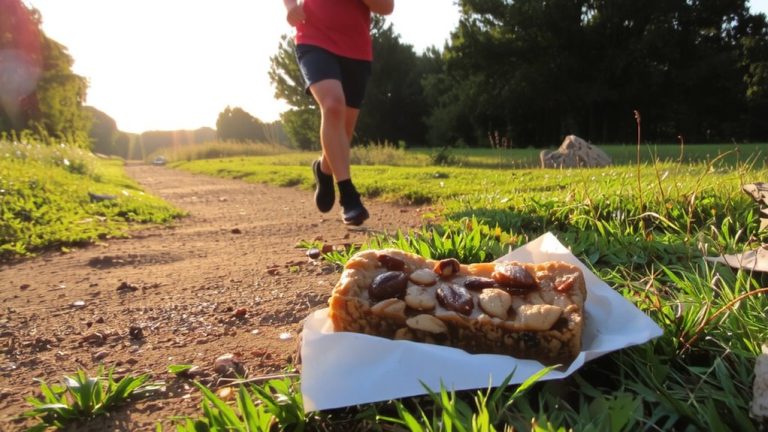
While your body’s primed for recovery the moment you stop moving, nailing your refuel window within 30 minutes post-run makes all the difference in rebuilding stronger. Right now, your muscles are hungry for fueling that kicks off muscle repair and glycogen replenishment. Aim for 20–25 grams of protein-or 0.25g per kilogram of body weight-to maximize protein synthesis. Pair it with carbohydrates to restore energy fast. Include leucine-rich foods like whey, eggs, or lean meat to jumpstart recovery. Don’t skip electrolytes; drink 500ml of fluid with added sodium and potassium to rebalance hydration. A post-run smoothie with yogurt and fruit, chocolate milk, or a turkey-avocado sandwich on whole grain bread hits the mark. Getting this right turns post-run fatigue into progress, helping you recover smarter, not just harder.
Eat the Right Carb-to-Protein Ratio
Since your muscles are primed to rebuild and refuel right after a trail run, hitting the ideal 3:1 ratio of carbohydrates to protein speeds up recovery by boosting glycogen restoration and muscle repair at the same time. You’ll want 20–25 grams of protein, or about 0.25g per kilogram of body weight, with carbohydrates and protein within two hours post-run. This balanced meal could be a quinoa salad with lean meat, a peanut butter sandwich on whole grain bread, or chocolate milk. If you prefer something quick, grab yogurt with fruit, a smoothie with protein powder, or fruit and granola. Testers found these options digest easily and satisfy hunger without weighing them down. Even 50g of almonds with a cup of probiotic yogurt hits the target. These real-food choices support muscle recovery reliably, with measurable macros that make planning simple and effective.
Reduce Soreness With Natural Anti-Inflammatories
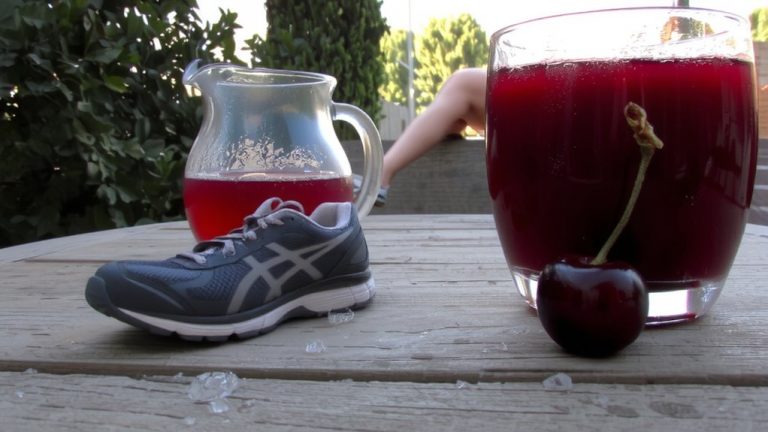
Tart cherry juice is a proven recovery booster, with testers reporting less muscle stiffness and faster bounce-back when they drink 8–12 ounces within an hour after a tough trail run. The anthocyanins and polyphenols in tart cherry juice reduce inflammation and support muscle function recovery. You’ll also want to include turmeric and ginger in meals during the 24–48 hours post-run, especially after downhill efforts that increase muscle damage. Curcumin, turmeric’s active compound, eases soreness at 500–1,000 mg daily. Add omega-3 fatty acids from oily fish like salmon or a fish-oil supplement to further lower inflammation and DOMS. Snack on blueberries and pomegranate-they’re rich in antioxidants that cut oxidative stress and help restore strength faster. Together, these foods speed recovery without relying on meds.
Support Immunity With Recovery Foods
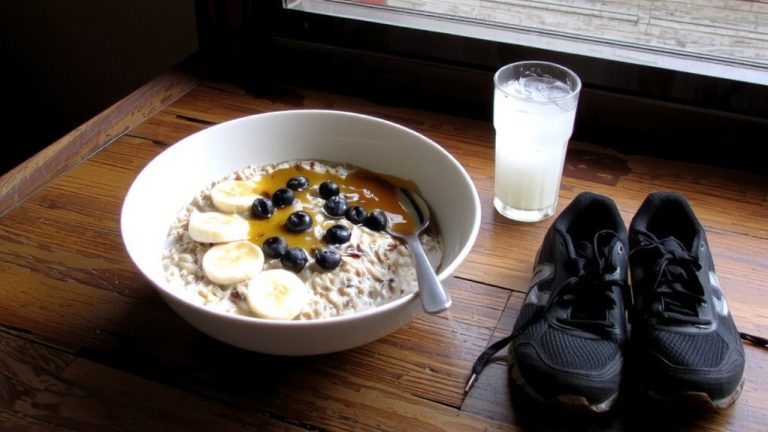
After pushing your limits on the trails, your body enters a critical window where immunity can dip, leaving you more vulnerable to bugs, especially if you’ve just crushed a long or intense run. That’s why smart recovery foods matter-starting with 20–25 grams of protein within two hours to support immune recovery and reduce inflammation. Pair that with antioxidant-rich blueberries, omega-3 fatty acids from salmon or walnuts, and a handful of green leafy vegetables like spinach or kale to deliver key vitamins and folate. These nutrient-dense choices don’t just refuel-they actively support immunity. Daily habits count too: almonds, oats, and fermented yogurt build long-term immune resilience. Real trail runners report fewer post-race colds when consistently fueling with whole, colorful foods that balance macronutrients and micronutrients alike. Prioritize variety, timing, and quality to keep your defenses strong without overcomplicating your plate.
Speed Muscle Repair With Leucine-Rich Proteins
Muscle repair kicks into high gear when you give your body the right fuel, and leucine is the key that turns on the engine. After trail running, your muscles need leucine-rich proteins to jumpstart muscle protein synthesis within the first 24 hours. Aim for 20–25 grams of high-quality protein-like 85g of lean meat, a whey shake, or three eggs-right after your run. Pair it with carbs in a 1:3 protein-to-carbohydrate ratio to spike insulin and shuttle nutrients where they’re needed. This combo boosts recovery and enhances glycogen refill. Include foods like salmon, which delivers both leucine and anti-inflammatory omega-3 fatty acids, to further support muscle repair. Space leucine-rich proteins across immediate and delayed recovery meals-within 30–60 minutes and again 2–4 hours post-run-for sustained muscle recovery.
On a final note
Rehydrate with 16–20 oz of water or an electrolyte drink like Nuun, then eat within 30 minutes. Aim for a 3:1 carb-to-protein ratio-think sweet potato and grilled chicken. Add tart cherry juice or turmeric to reduce soreness, and boost immunity with vitamin C-packed bell peppers. Prioritize leucine-rich foods like Greek yogurt or eggs to speed muscle repair, and you’ll recover stronger, faster, every time.