Best Pre-Run Fuel for Runners Training for Their First Half Marathon
Start carb-loading 2–3 days out with 7–10g of carbs per kg of body weight using low-fiber choices like pasta, rice, and potatoes, and avoid high-fat or high-fiber foods. On race morning, eat 0.5–1g of carbs per pound of body weight 3–4 hours before, like oatmeal with banana and a bagel with honey. During the race, take 25–30g of carbs every 30 minutes starting at 60 minutes, using trusted options like GU gels washed down with 4–6 oz of water. Stick to what you’ve practiced-surprises increase GI risk. Tweaks to timing, fuel type, or hydration can make or break your finish, and the details ahead help guarantee yours is strong.
We are supported by our audience. When you purchase through links on our site, we may earn an affiliate commission, at no extra cost for you. Learn more. Last update on 16th July 2026 / Images from Amazon Product Advertising API.
Notable Insights
- Eat a low-fiber, carb-rich breakfast 3–4 hours before running, like oatmeal with banana or a bagel with honey.
- Consume 0.5 to 1 gram of carbohydrates per pound of body weight before your run.
- Include 10–15 grams of protein and less than 10 grams of fat to avoid digestive issues.
- Stick to familiar, easily digestible foods to minimize the risk of stomach discomfort.
- Hydrate with 10 to 20 ounces of water or sports drink, especially in warm conditions.
What Should You Eat the Day Before Your Half Marathon?
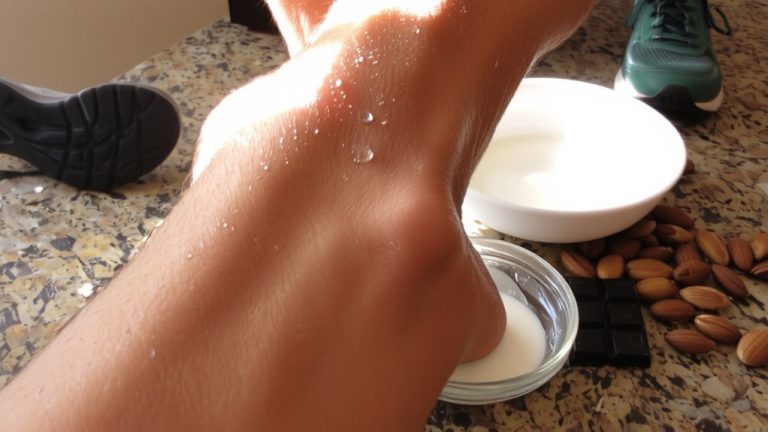
Since your body starts storing glycogen 2–3 days before race day, now’s the time to get strategic with your plate. You’ll want to carb load properly by making half your plate at each meal low-fiber carbs like pasta, rice, or potatoes to boost glycogen stores without triggering GI distress. Aim for 7–10 grams of carbs per kilogram of body weight daily in the 24–48 hours before your half marathon, especially if you’re expecting to run over 90 minutes. Stick to familiar foods-white bread, bagels, cooked cereals-so your stomach stays calm. Keep protein and fat moderate, about one-quarter of your plate, from lean meats, eggs, or avocado. Don’t forget hydration: sip water consistently and add electrolytes if it’s hot or you’re sweating heavily.
What’s the Best Breakfast Before a Half Marathon?
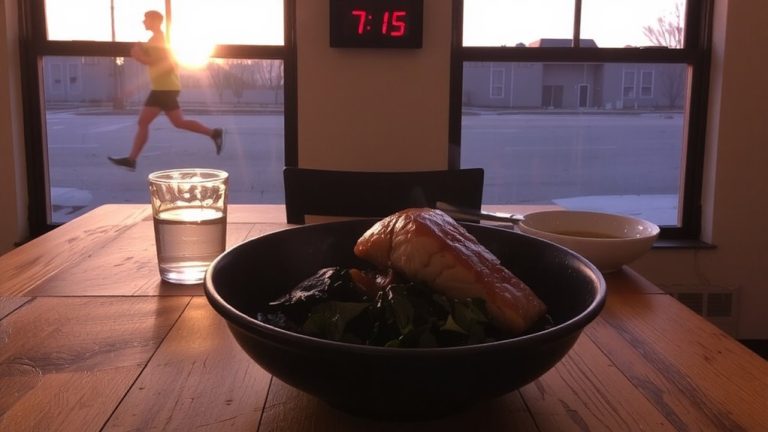
What should your plate look like when you’re lacing up for a half marathon? Your pre-race breakfast should provide 0.5 to 1 gram of carbohydrates per pound of body weight-so if you weigh 150 pounds, aim for 75 to 150 grams of carbohydrates. Focus on low-fiber foods and easily digestible foods like oatmeal, white rice, or a bagel with honey and banana. These choices top off glycogen stores without causing stomach issues. Include a small amount of protein (10–15g) and minimal fat (under 10g) to support blood sugar control. Eat 3–4 hours before the start to give your body time to digest. For hydration before race, drink 10 to 20 ounces of water or a sports drink, especially in heat. This combo keeps energy steady and avoids crashes.
How to Fuel Every 30 Minutes During Your Half Marathon
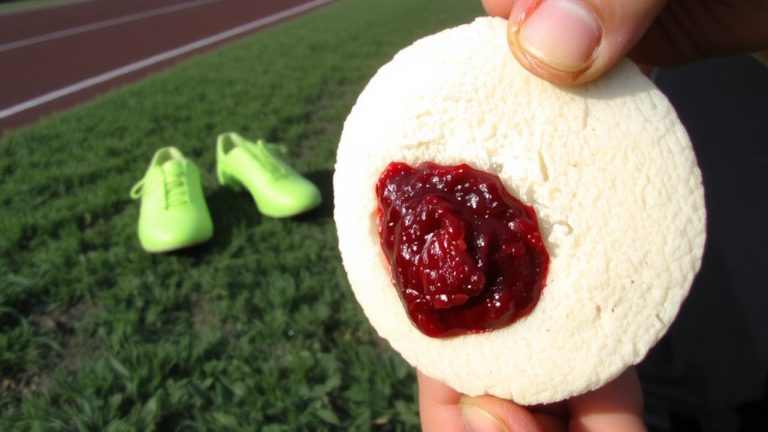
Even if you’ve nailed your pre-race breakfast, skipping fuel during your half marathon can leave you fading before the finish-so aim to take in 25 to 30 grams of carbohydrates every 30 minutes once you hit the 45- to 60-minute mark. That’s about 30–60 grams per hour, keeping your blood sugar steady and delaying fatigue. Use gels like GU or Clif Shot, which deliver 20–30 grams per serving, and always wash them down with 4–6 ounces of water to avoid stomach issues. Stick to your practiced fueling strategy-this isn’t the time to try anything new. During training runs, test your timing and product choice so you know what works. On race day, trust that plan. Consistent fueling helps maintain energy, supports focus, and powers you through to the final mile without bonking.
How to Practice Fueling for Your Half Marathon
You’ve got your pre-run meal dialed and know to start fueling by the 45-minute mark, but practicing that strategy is what separates a strong finish from hitting the wall. Use your long runs to practice fueling and refine fueling for a half. Follow your training plan by testing carbs per hour-30–60 grams-starting at 45 minutes. Trial and error teaches your gut what works, so stick to real conditions. Remember About Fueling: pair gels or chews with 5–10 ounces of water, especially with hypertonic options. Simulate race-day aid stations every 30–45 minutes. By four weeks out, lock in your strategy to hit the finish line strong.
| Product | Carbs Per Serving | Best Used At |
|---|---|---|
| GU Energy Gel | 25g | 45 min mark |
| Clif Shot Blocks (2 pieces) | 26g | 1.5 hours |
| Maurten Drink Mix 320 | 80g per bottle | Even pacing |
5 Pre-Race Fueling Mistakes to Avoid
One in three runners hits the starting line with a fueling mistake already baked into their race plan. For your first half marathon, make sure you’re not one of them. Skipping a pre-race meal with 0.5 to 1 gram of carbs per pound of body weight risks glycogen depletion and early fatigue. Avoid high-fiber or high-fat foods 3–4 hours before the race-these can trigger gastrointestinal distress, which hits up to half of runners. Never try anything new on race day; take some trial runs to test gels or chews, since your gut needs 3–4 weeks to adapt. Start fueling between 45–60 minutes into the race, not after 75, especially if you’re targeting 1:45 or longer. And make sure your hydration plan includes electrolytes-drinking more than 20 ounces of water per hour without them raises hyponatremia risk. Know your nutrition needs, practice them, and trust the plan.
On a final note
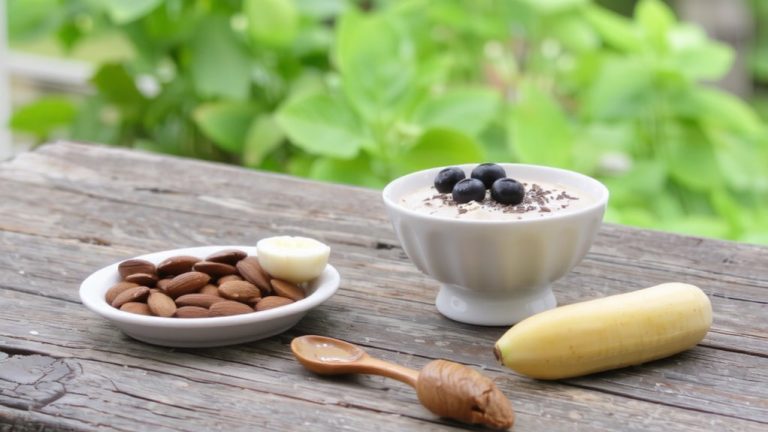
You’ve got this-just stick to what you’ve practiced. Eat a banana with peanut butter 60 minutes before, sip water every 15 minutes, and grab a 100-calorie gel at mile 6 and 10. Use a sweat-resistant Garmin watch to track pace, and wear moisture-wicking Brooks跑鞋 socks to prevent blisters. Real testers say consistency beats perfection every time-trust your training, fuel smart, and finish strong.