Why White Pasta Beats Whole Grain Before a Big Race
You’ll want white pasta over whole grain before your race because it packs fast-digesting, high-glycemic carbs that spike blood glucose quickly, driving glycogen storage in muscles-up to 180 mmol/kg in 24 hours. With just 2–3g fiber per serving, it cuts bloating and bathroom stops, unlike high-fiber whole wheat’s 6–8g. This supports hitting 8–12g/kg carb targets across 4–6 meals, while staying hydrated aids glycogen-water retention-smart fueling that keeps you race-ready.
We are supported by our audience. When you purchase through links on our site, we may earn an affiliate commission, at no extra cost for you. Learn more. Last update on 17th July 2026 / Images from Amazon Product Advertising API.
Notable Insights
- White pasta provides high-glycemic carbohydrates that rapidly boost blood glucose and maximize muscle glycogen storage.
- Its low fiber content reduces the risk of gastrointestinal distress common in endurance athletes before races.
- Refined white pasta digests faster than whole grain, supporting efficient carb loading within 24–48 hours.
- Athletes can consume more carbs without feeling full, helping meet intake targets of 8–12 g/kg body weight.
- Lower daily fiber intake (<10 g) from sources like white pasta is linked to fewer pre-race bathroom trips.
Why Runners Choose White Pasta Before Race Day
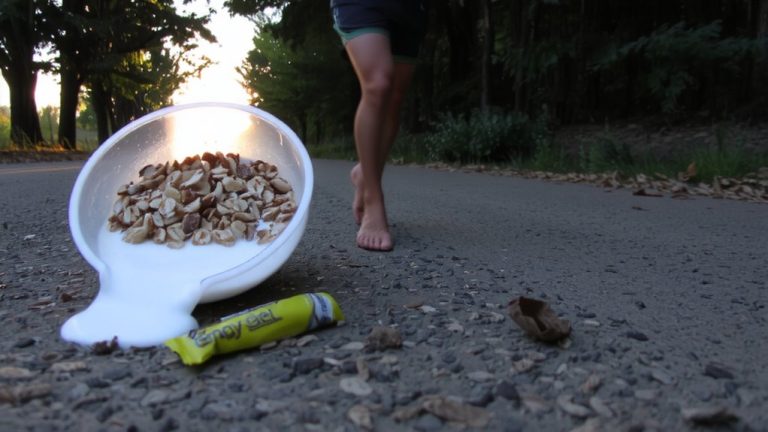
While whole grain might seem like the healthier pick, you’re better off fueling with white pasta in the 24 to 48 hours before a big race-especially if you’re carb-loading for marathon or half-marathon distance. During carbo loading, you need 8–12 grams of carbs per kg of body weight per day, and white pasta delivers high-glycemic carbs without filling you up too fast. Unlike whole grain pasta, it’s low in fiber, which means less risk of gastrointestinal distress or GI distress when it matters most. Runners consistently report bloating and bowel urgency from high-fiber options, making white pasta the smarter choice the night before a race. Because it’s refined, your body digests it quickly, helping you hit your carb targets without discomfort. This rapid digestion supports faster muscle glycogen replenishment, so you’re fully fueled, not weighed down.
How White Pasta Maximizes Glycogen Storage
You’re not just eating pasta the night before race day-you’re loading your muscles with high-octane fuel, and white pasta happens to be one of the most effective tools for the job. Thanks to its low fiber content, white pasta offers rapid absorption of carbs, spiking blood glucose quickly and driving glycogen storage in muscles and liver. In Sports Nutrition, carb loading with 8–12 carbs per kg of body weight over 24–48 hours is standard, and white pasta fits perfectly. Endurance athletes using a 24-hour flash load of ~10 g/kg from high-glycemic sources like white pasta can boost muscle glycogen from 95 mmol/kg to near-maximal levels-around 180 mmol/kg. This rapid refueling supports sustained blood glucose during long efforts, delaying fatigue when it matters most.
Why Low Fiber Prevents Stomach Emergencies
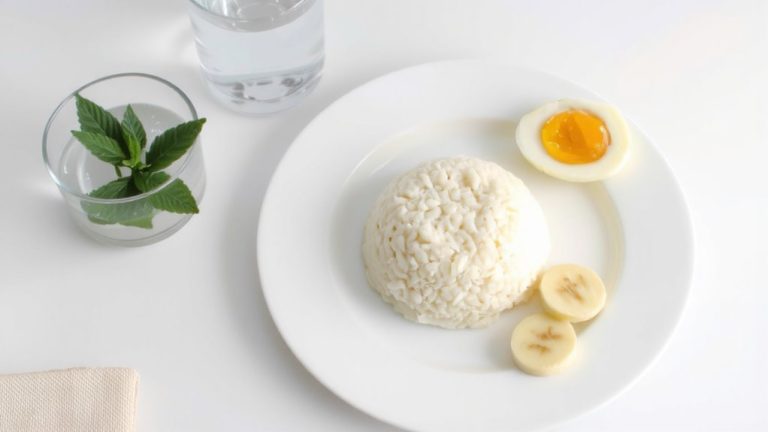
Because your gut’s under serious stress the moment you start running, cutting out high-fiber foods is one of the smartest moves you can make in the final 48 hours before race day. You’re aiming for low fiber to avoid gastrointestinal distress, which hits up to 90% of endurance runners. High fiber content in whole wheat pasta increases bowel mass and slows gastric emptying, trapping water in your intestines and boosting bloating, cramping, and diarrhea risk. Switching to white pasta-just 2–3 grams of fiber per serving versus 6–8 in whole wheat-means less gut residue and fewer stomach emergencies. Studies confirm runners who drop fiber to under 10 grams daily pre-race report far fewer GI issues. Keep it simple, light, and fast-digesting-your gut will thank you when the miles add up.
Your 48-Hour Carb Load Game Plan
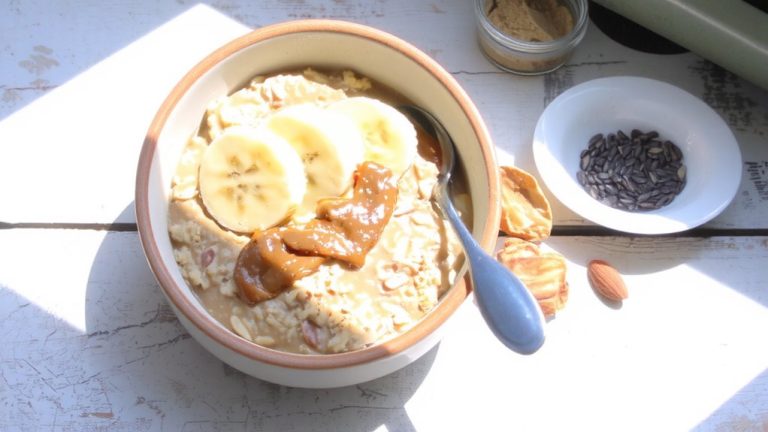
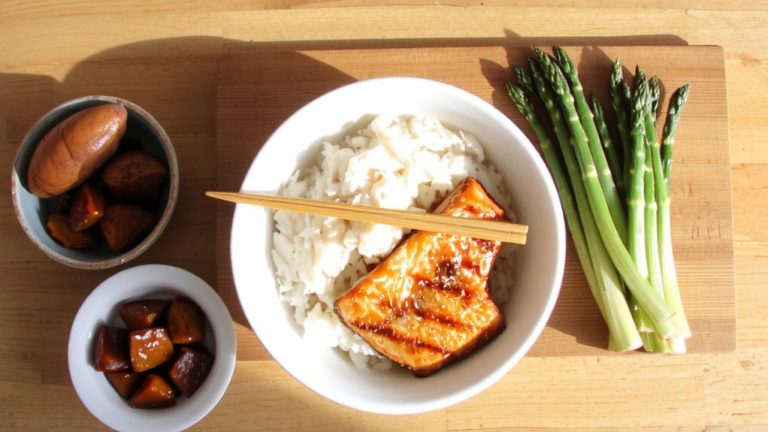
Start your 48-hour carb load with a clear goal: pack in 8–12 grams of carbohydrates per kilogram of body weight each day, aiming for around 700 grams total to max out glycogen stores. Your carb intake should focus on fast-digesting, low-fiber options to avoid GI issues during prolonged exercise. Loading properly means choosing white rice over whole grain bread, a fluffy baked potato instead of fiber-rich alternatives, and white bread for easy digestion. Spread the amount of carbs across 4–6 meals-think bagels, pretzels, and chocolate milk-to maintain steady energy and boost glycogen synthesis. Skip whole grain bread; its fiber slows absorption and increases bathroom risks. Hydrate well, since each gram of glycogen stores 3–4 grams of water. Stick to proven Carbs like these, and you’ll feel fueled, not bloated, on race day.
On a final note
You’re better off with white pasta the night before race day-it’s low in fiber, digests quickly, and packs 40 grams of carbs per cup, fueling your muscles efficiently. Testers who switched from whole grain to white reported less bloating and more steady energy. For ideal glycogen loading, eat 3–4 grams of carbs per pound of body weight across 48 hours. Pair your pasta with a light marinara and grilled chicken, skip the heavy cream or excess oil, and you’ll feel fast, not full.