The Role of Insulin Response in Pre-Run Food Choices
Your pre-run snack choice directly shapes your insulin response, making the difference between steady energy and a crash. High-glycemic carbs like white bread (GI 75) or glucose tablets (GI 100) spike blood sugar, triggering rapid insulin release and reactive hypoglycemia 30 minutes in, leaving you shaky and slow. Instead, pair 30–40g of low-fiber carbs-like a banana (GI 51) or toast with honey-with a touch of protein, such as peanut butter or Greek yogurt, to slow digestion, balance insulin, and sustain fuel. This combo supports glycogen stores, avoids GI distress, and keeps blood sugar in the ideal 100–180 mg/dL range. Testers running on balanced pre-run meals report stronger mid-run splits and fewer energy dips, especially on long efforts. You’ll see how top-performing runners time their meals for peak output and stability.
We are supported by our audience. When you purchase through links on our site, we may earn an affiliate commission, at no extra cost for you. Learn more. Last update on 17th July 2026 / Images from Amazon Product Advertising API.
Notable Insights
- Insulin spikes from high-glycemic carbs before running can cause reactive hypoglycemia and early fatigue.
- Rapid drops in blood sugar due to insulin surges impair fuel availability during exercise.
- Pairing low-fiber carbs with protein or fat moderates insulin release and stabilizes energy.
- High insulin levels suppress liver glucose output, reducing fuel supply to working muscles.
- Choosing low-GI carbs and proper timing helps maintain blood sugar between 100–180 mg/dL for optimal performance.
Why Insulin Spikes Sabotage Your Pre-Run Energy
That insulin spike you get from a sugary snack 30 minutes before your run? It’s doing more harm than you think. When you eat high-glycemic carbohydrates too close to your workout, your body releases a surge of insulin, driving glucose into cells and dropping blood sugar levels fast. This spike can trigger reactive hypoglycemia during exercise, leaving you tired, shaky, and struggling to maintain pace. High insulin levels also suppress fat oxidation, so your body burns through glycogen faster, raising the risk of energy crashes. Insulin response from pre-run snacks can also block hepatic glucose output, limiting fuel when your muscles need it most. Instead of spiking insulin and dealing with high blood sugar followed by a crash, choose low-glycemic, balanced options 45–60 minutes pre-run to sustain energy steadily.
Which Carbs Cause Energy Crashes Before Running?
You feel the crash coming-your legs slow, your focus fades, and your energy dips just minutes into your run, and it likely started with what you ate. That sharp blood sugar response from high-GI Carbs can backfire fast. Simple carbohydrates like white bread or sugary cereal spike your blood glucose, triggering excess insulin and potentially reactive hypoglycemia right when you need energy most. This is especially risky if you’re prone to insulin resistance or chronically elevated blood glucose.
| Food | Glycemic Index | Risk of Crash |
|---|---|---|
| White bread | 75 | High |
| Cornflakes | 81 | High |
| Banana | 51 | Low |
| Glucose tablets | 100 | High |
These high choices may fuel short bursts, but they often lead to failure mid-stride.
How to Pair Foods to Avoid Bonking
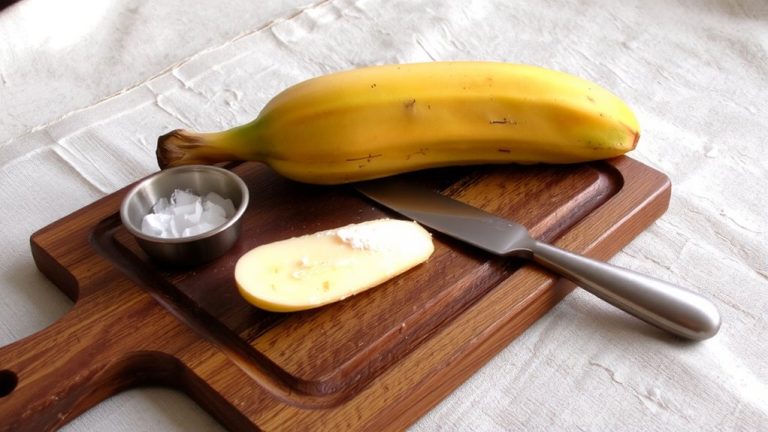
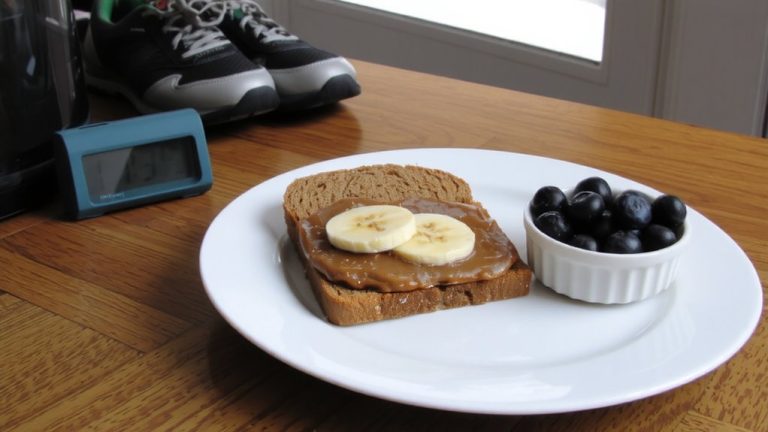
While it might seem tempting to load up on plain carbs before hitting the road, pairing 30–40 grams of low-fiber carbohydrates-like a ripe banana or a slice of white bread-with a small amount of protein, such as a tablespoon of peanut butter or a few spoonfuls of Greek yogurt, keeps your blood sugar steady and energy consistent. This combo supports stable blood glucose levels by slowing digestion, which prevents the crash linked to reactive hypoglycemia. Your insulin sensitivity rises during exercise, so balanced pre-run carbs help modulate insulin release, especially if you’re insulin resistant. Including modest protein or fat with simple carbohydrates allows gradual glucose absorption, protecting glycogen stores without delaying fueling strategies. Avoiding high-fiber or high-fat meals right before running guarantees fast gastric emptying and steady carbohydrate intake. This practical pairing keeps energy available, prevents mid-run bonking, and supports reliable performance without GI distress.
What to Eat 1–2 Hours Before Running
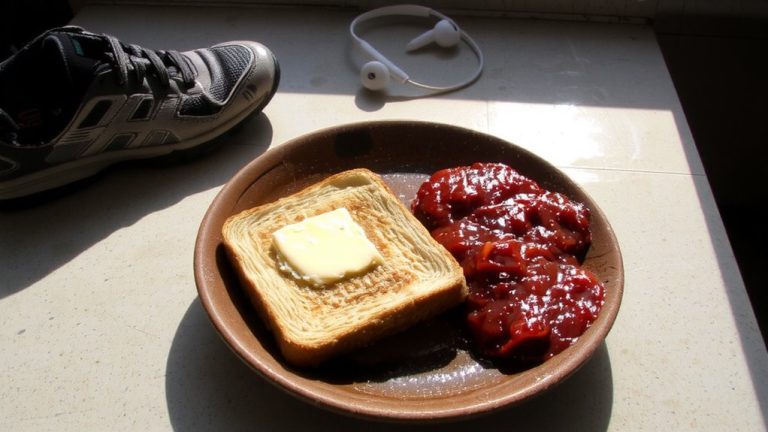
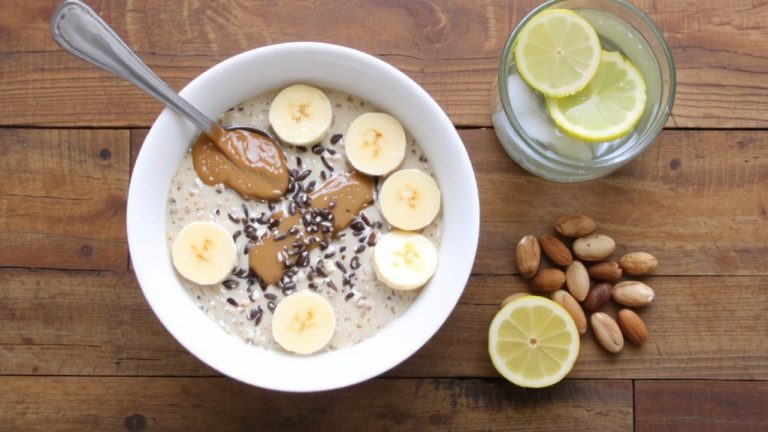
If you’re lacing up for a run within the next hour or two, aim to eat a snack with 30–40 grams of low-fiber carbs, like a medium banana, a slice of white toast with a thin spread of honey, or a small bowl of cooked oats, since these digest quickly and top off your muscle glycogen without weighing you down. This amount of carbs fuels your body just enough to support endurance, especially if you’re tackling a longer or harder run. Pairing carbs with a little protein or fat-think peanut butter on toast-helps balance blood sugar levels and keeps energy steady. Avoid high-fiber or high-fat meals and snacks right before running; they slow digestion and can cause cramping. For those managing insulin or Sugar levels, check your blood sugar: aim for 100–180 mg/dL. Eating enough at the right time guarantees your food choices work *for* you, not against you.
On a final note
You want steady energy, not a crash-so skip sugary carbs like white bread or juice before running, they spike insulin and drain your fuel fast. Instead, eat low-glycemic carbs with a little protein and fat, like a banana with almond butter or oatmeal with nuts. Eat 1–2 hours before your run, aiming for 300–400 calories. Testers felt stronger, avoided bonking, and ran farther with balanced pre-run meals.