How to Use Yogurt Alternatives Before a Run for Lactose-Free Fuel
Skip dairy without sacrificing fuel-opt for low-fat, fortified soy or pea yogurt with 6–9g protein per cup, like Silk or Ripple. Pair ¾ cup with banana or honey for a 3:1 carb-to-protein ratio, keeping fiber and fat low to prevent bloating. Avoid coconut-based or high-fiber versions that slow digestion. Eat 2–3 hours pre-run, or a half-cup portion 60–90 minutes out for morning starts, ensuring steady energy without gut trouble. There’s more to optimizing your pre-run bowl than just the base.
We are supported by our audience. When you purchase through links on our site, we may earn an affiliate commission, at no extra cost for you. Learn more. Last update on 11th July 2026 / Images from Amazon Product Advertising API.
Notable Insights
- Choose low-fat, fortified dairy-free yogurt with 6–9g protein per cup for muscle support and nutrient absorption.
- Opt for pea or soy-based yogurts to avoid lactose and support digestion during runs.
- Pair ¾ cup yogurt with banana and honey for a 3:1 carb-to-protein ratio and quick energy.
- Avoid high-fat or high-fiber add-ins like peanut butter, coconut milk, or raw oats to prevent bloating.
- Eat full meals 2–3 hours pre-run or a half-cup portion with fruit 60–90 minutes before for tolerance.
Skip Dairy, Not Fuel: Plant Yogurt That Stays Down
You can skip dairy without sacrificing fuel-plant-based yogurts made from pea protein or soy give you 6 to 10 grams of digestible protein per cup, helping you stay full before a run while avoiding lactose-related issues. These plant-based yogurts support muscle readiness, especially pea-based options with leucine, and won’t trigger an upset stomach like dairy might. But watch out: some contain added fiber, inulin, or tapioca starch, which can cause bloating mid-run. To stay safe, pick smooth, low-fiber versions and avoid mix-ins like nuts or seeds. Test a plain, half-cup portion during training to check tolerance. Brands like Ripple (pea-based) or Silk Whole Soy work well-runners report they stay down even on early long runs. You get solid protein without the digestive risk, keeping your gut calm and your energy steady. Upset stomach? Not here.
Choose Low-Fat, Fortified Dairy-Free Yogurt
A smart choice for runners switching to dairy-free yogurt is picking low-fat, fortified options like soy or pea-based varieties, which deliver 6 to 9 grams of protein per cup-close to traditional yogurt-without the lactose that can upset sensitive stomachs. These yogurts, often made from soy milk, balance protein and fat wisely, supporting fuel without digestive lag. You’ll want to avoid high-fat coconut versions, since too much fat slows digestion. Instead, go for fortified blends with B12, calcium, vitamin D, and live probiotics to sustain bones and gut health. Keep sugar under 10 grams per serving to prevent spikes. Here’s how top options compare:
| Brand | Protein (g) | Fat (g) |
|---|---|---|
| Silk Soy | 6 | 4.5 |
| Kite Hill Pea | 7 | 5 |
| Daiya Classic | 8 | 5 |
| Almond Breeze | 6 | 3 |
| Ripple Original | 9 | 6 |
Pair With Banana, Berries, or Honey for Energy
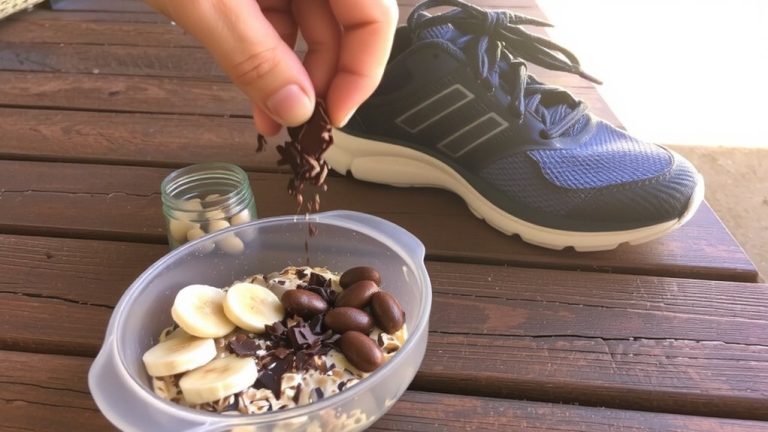
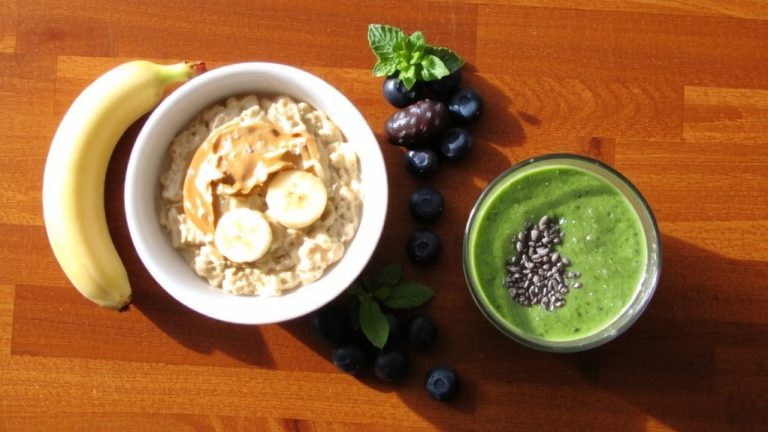
When fueling for a run, pairing your dairy-free yogurt with banana, berries, or honey isn’t just smart-it’s strategic, giving you a blend of fast and sustained energy that aligns with athletic demands. A banana adds about 27 grams of easily digestible carbs, boosting glycogen stores for steady fuel. Toss in ½ cup of blueberries for another 15 grams of carbs and a dose of anthocyanins, which may lower oxidative stress and support endurance. Drizzle one tablespoon of honey for an extra 17 grams of natural, rapid-access carbohydrates-no artificial ingredients needed. Try ¾ cup of almond or coconut yogurt with banana and honey for a 3:1 carb-to-protein ratio, ideal before runs over 90 minutes. Berries like raspberries or strawberries bring antioxidants with minimal fiber, reducing digestive strain while supporting energy metabolism.
Skip High-Fat and High-Fiber Add-Ins
Choosing the right mix-ins for your dairy-free yogurt isn’t just about flavor-it’s about optimizing digestion and energy delivery, especially when you’re preparing for a run. Skip high-fat picks like peanut butter or full-fat coconut-based yogurts, which can slow gastric emptying and lead to discomfort. Avoid high-fiber add-ins such as brown rice, bran, or raw fruit with skin, as they may cause bloating or gas. Instead, aim for low-fat, low-fiber options that deliver quick, clean fuel.
| Avoid These Add-Ins | Choose These Instead |
|---|---|
| Peanut butter (high fat) | Honey or maple syrup |
| Brown rice (high fiber) | Peeled banana |
| Raw oats or bran | Berries (in moderation) |
| Coconut milk yogurt (8–12g fat) | Almond or soy yogurt (lower fat) |
Time Your Pre-Run Meal Right
Since digestion plays a key role in how well you perform, timing your pre-run meal around dairy-free yogurt is just as important as the ingredients you choose. Aim to eat a full meal with a plant-based yogurt 2–3 hours before your run to give your body time to digest, especially before long races. If you’re running in the morning, scale back to a smaller portion-around ½ cup of low-fiber, dairy-free yogurt with a banana or drizzle of honey-60–90 minutes pre-run. Keep meals under 600 calories to avoid sluggishness. Pairing simple carbs with lactose-free yogurt fuels your muscles without stressing your gut. This strategy helps stabilize energy, so you run longer with less stomach trouble. Test timing during training to find your sweet spot-most runners feel best when they balance meal size and digestion window.
On a final note
Skip dairy without sacrificing fuel-reach for a low-fat, fortified plant yogurt like Silk Almond or Daiya Plain, 150–200 calories per serving, 5–8g protein. Pair with half a banana or ¼ cup berries for quick carbs, 15–30 minutes pre-run. Avoid high-fat nut butters or high-fiber granola that can cause cramps. Real runners test this combo on mornings runs under 90 minutes with zero slosh, steady energy, no bathroom stops. It’s light, digestible, and fuels strong starts.