The Best Pre-Run Snack for a 2-Hour Long Run
Eat a snack with 60–90 grams of easy-to-digest carbs about 2 hours before your 2-hour run to fuel your muscles and stabilize blood sugar. Try 1 cup oatmeal, 1 banana, 2 tablespoons maple syrup, and toast with peanut butter for sustained energy. This mix gives you carbs, a little protein, and healthy fats without heavy digestion. Avoid fiber, fat, or cruciferous foods. Add a sports drink with electrolytes if you need extra hydration and fuel-your body will thank you. You’ll find even better timing and hydration tips next.
We are supported by our audience. When you purchase through links on our site, we may earn an affiliate commission, at no extra cost for you. Learn more. Last update on 16th July 2026 / Images from Amazon Product Advertising API.
Notable Insights
- Consume 60–90 grams of easily digestible carbohydrates 1–3 hours before a 2-hour run.
- Pair carbs with a small amount of protein and healthy fats for sustained energy.
- Opt for low-fiber, low-fat foods to prevent gastrointestinal discomfort.
- Include fluids with electrolytes to support hydration and performance.
- Avoid heavy, high-fiber, or cruciferous foods that delay digestion.
Why Eat Before a 2-Hour Long Run?
Even if you’re used to running on an empty stomach, skipping fuel before a 2-hour long run means starting at a disadvantage-overnight fasting depletes liver glycogen, leaving you with enough stored energy for just 75 to 100 minutes at half marathon pace. Without pre-run fuel, your blood sugar dips, glycogen stores crash, and you’re likely to bonk mid-run. Carbs are so important because they top off your energy tanks, especially in Marathon Training when every mile counts. Running on an empty stomach forces your body to rely on slower fat metabolism, dulling your pace and focus. Providing 60–90 grams of easily digestible carbohydrates 1–2 hours before running guarantees your muscles and liver are primed. Carbs per kilogram matter, but so does timing-well-timed carbs per meal round out a smart fueling strategy.
How Many Carbs Do You Need Before a Run?
If you’re lacing up for a 2-hour long run, fueling with the right amount of carbs beforehand can make or break your stamina and focus, and most runners do best with 60–90 grams of easily digestible carbohydrates 1–3 hours pre-run, depending on body size and gut tolerance. You’ll need to eat based on grams of carbohydrates per kilogram of body weight-roughly 1–4 grams per kg, or your body weight in pounds divided by 2.2. For long runs, aim for a carb-rich snack that delivers 80–160 kcal of simple carbs if you eat before you head out with less than an hour to spare. Pairing ~10 grams of protein with your carbs may reduce mid-run hunger. While Best Foods options vary, choose low-fiber choices to avoid GI distress. Know your body’s needs so you don’t underfuel or overdo it.
What’s the Best Pre-Run Snack for 2 Hours?
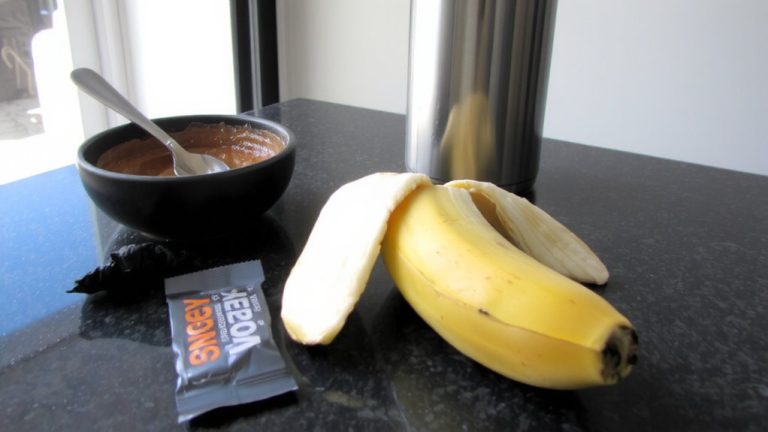
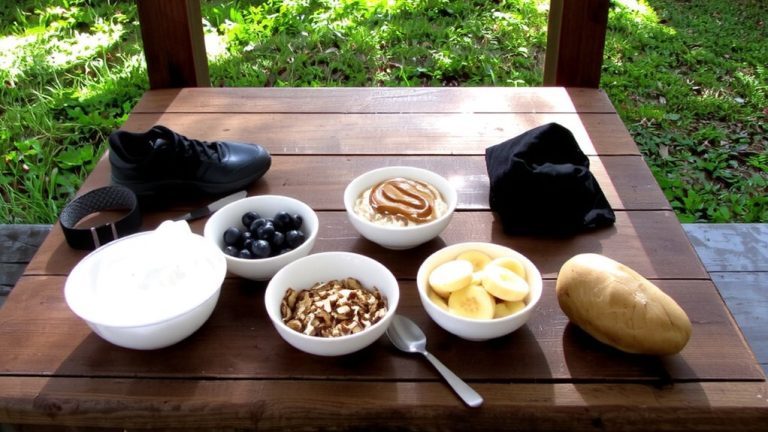
What should you eat two hours before a long run to keep energy steady and your stomach happy? A solid pre-run snack fuels your Long Run with 60–90 grams of carbohydrates from easily digestible carbs, like 1 cup of oatmeal with 1 banana and 2 tablespoons of maple syrup. Add toast with peanut butter for about 10 grams of protein-peanut butter’s healthy fats help stabilize energy without slowing you down. This balanced meal supports sustained performance while reducing hunger and risk of GI issues. Avoid high-fat, high-fiber, or cruciferous foods that can trigger discomfort. Pair your meal with 8–12 ounces of fluid containing electrolytes 30 to 60 minutes pre-run to boost hydration and gut absorption. Getting this combo right means steady energy, fewer cramps, and a smoother mile count from start to finish.
When Should You Eat Before a Long Run?
You’ve got your pre-run snack figured out-simple carbs, a touch of protein, and minimal fat to keep your energy steady and stomach calm-but now it’s time to nail down the timing. If you’re about to Eat Before a Long run, aim for a 200–300-calorie pre-run meal 1–2 hours out, giving your body time to digest without leaving you with an empty stomach. For long training sessions over 2 hours, eat a larger meal with 60–90g carbs 3–4 hours prior. Avoid high-fat foods and heavy dishes that slow digestion. Going later? A small bite like fresh fruit or an energy gel 30–60 minutes before works if you skip a full meal. Just don’t rely on a sports drink alone for fuel.
What Should You Drink Before Running?
While it’s easy to focus on fuel, staying properly hydrated before a long run keeps your blood volume up, helps regulate body temperature, and supports steady energy levels, especially when the miles add up. Aim to drink 16–24 ounces of fluids 1–3 hours before your run, then sip another 8 to 12 ounces 30 to 60 minutes prior-this boosts hydration without causing stomach sloshing. Include electrolytes, especially sodium, to enhance fluid absorption and maintain balance, even in cold weather. Sports drinks are a solid choice: they deliver fluids, carbohydrates, and electrolytes, helping stabilize blood glucose and support thermoregulation. Sip slowly for better absorption and less gut discomfort. You’ll feel smoother from mile one, with consistent energy and sharper focus, thanks to smarter hydration that works with your body, not against it.
On a final note
Stick to 100–150 calories of easily digestible carbs 90–120 minutes before your run, like a banana with 1 tbsp peanut butter or a Clif Bar Blake’s Original (27g carbs, 5g protein), testers say it fuels steady energy without gut trouble, pair it with 16–20 oz water, sip early, and you’ll hit the trail hydrated, strong, and ready for every mile.