Best Pre-Run Nutrition for Runners With Crohn’s Disease
Eat low-fiber carbs like white rice, ripe bananas, or sourdough bread 2–3 hours before running to fuel your muscles without cramping. Sip room-temperature fluids, aiming for 8 oz every 15–20 minutes during your run. Avoid raw veggies, dairy, and caffeine-they’re common triggers. During flares, give yourself extra digestion time. Test small snacks like applesauce or rice crackers 30 minutes out to find what works. You’ll learn which strategies keep you steady mile after mile.
We are supported by our audience. When you purchase through links on our site, we may earn an affiliate commission, at no extra cost for you. Learn more. Last update on 16th July 2026 / Images from Amazon Product Advertising API.
Notable Insights
- Choose low-fiber, easily digestible carbs like white rice, ripe bananas, or sourdough bread 2–3 hours before running.
- Avoid high-fat, high-FODMAP, and dairy foods pre-run to minimize GI symptoms and flare-up risk.
- Opt for a small snack like applesauce or rice crackers 30–60 minutes before running if needed.
- Hydrate with room-temperature, low-FODMAP fluids and sip 8 oz every 15–20 minutes during runs.
- During flares, extend meal timing and select low-residue foods to reduce exercise-induced discomfort.
Best Low-Fiber Carbs for Crohn’s Runners
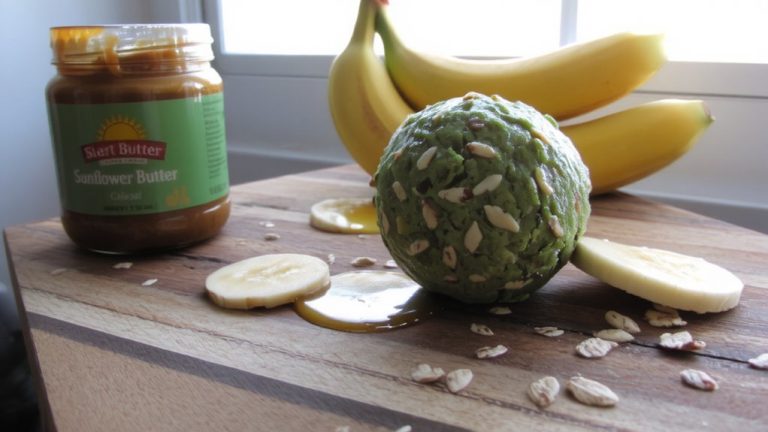
When you’re gearing up for a run with Crohn’s, choosing the right carbs can make all the difference in how your gut handles the miles ahead, and sticking to low-fiber, easily digestible options is key. For pre-run nutrition, low-fiber carbohydrates like white rice, white bread, and boiled potatoes deliver quick, gentle energy without aggravating Crohn’s Disease. Ripe bananas and applesauce are proven, low-residue picks that fuel without excess fiber. Sourdough bread, especially low-FODMAP varieties, offers improved digestibility and steady energy. Refined oats, not whole grain, make a soluble fiber-rich oatmeal that’s easier on your system. Testers report fewer cramps and sustained stamina when relying on these staples. These foods form the foundation of smart pre-run nutrition-offering reliable fuel, minimizing risk of flare-ups, and supporting strong performance, mile after mile.
When to Eat Before Running
Since digestion plays a big role in how well you’ll perform, timing your pre-run fuel matters just as much as what you eat. For most runners with Crohn’s, eating a full meal 2–3 hours before running gives your body enough time to digest and lowers the chance of gastrointestinal symptoms. This is especially important during flare-ups when digestive symptoms are more likely. Choose easily digestible, low-residue pre-run meals and avoid high-fiber foods or high-FODMAP foods that may trigger discomfort. If you can’t eat a full meal, have a small carbohydrate-rich snack-like a banana or rice crackers-30–60 minutes before your run. Always adjust timing and content based on your individual tolerance. Test different strategies in training, particularly during remission, so you can fine-tune when to eat before running without risking setbacks.
Hydrate Safely Without Worsening IBD Symptoms
Staying fueled starts with smart food choices, but what you drink matters just as much-especially when managing Crohn’s symptoms around a run. Hydration is harder for you due to malabsorption and frequent diarrhea, increasing your risk of electrolyte imbalances. Aim for at least half your body weight (lbs) in ounces of daily fluid intake, plus 16–24 oz per pound lost during exercise. Skip high-FODMAP drinks like apple juice, which can worsen gut irritation. Instead, choose low-FODMAP oral rehydration solutions to replenish sodium, potassium, and glucose effectively. Sip 8 oz every 15–20 minutes during runs to avoid overwhelming your sensitive digestive system. Avoid icy or hot fluids-they can trigger cramping. Opt for room temperature beverages, which are gentler on your gut and help maintain steady hydration without flare-ups.
Foods to Avoid Before Running With Crohn’s
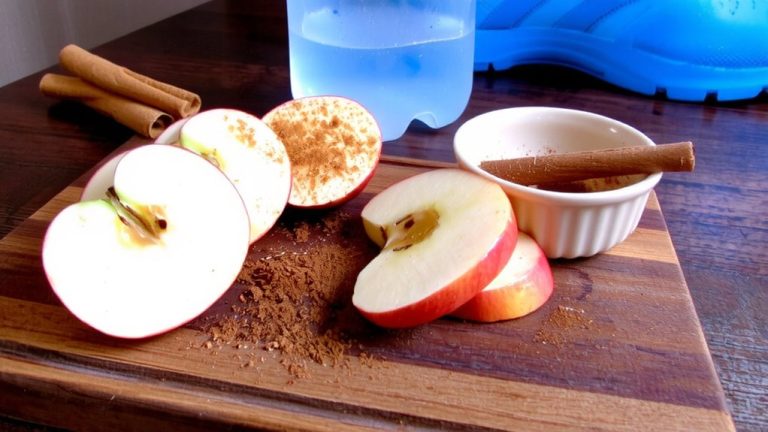
Though your pre-run fuel choices can make or break your run, steering clear of certain foods is just as critical when you’re managing Crohn’s. For effective pre-run nutrition, avoid high-fat foods like fried items or red meat-they slow digestion and can trigger abdominal pain or diarrhea. Raw vegetables such as broccoli and Brussels sprouts are packed with insoluble fiber, which may cause cramping and gas during your run. If you’re sensitive, dairy products could worsen gastrointestinal symptoms, especially with lactose intolerance common in Crohn’s disease. Limit high-FODMAPs foods-onions, garlic, apples-within 24 hours of a run to reduce flare-up risks. Caffeine from coffee or energy drinks stimulates the gut and may increase urgency. These foods to avoid help you sidestep discomfort, so you can focus on performance, not pain.
How Crohn’s Disease Affects Digestion During Exercise
Running with Crohn’s means your gut faces extra challenges the moment you hit the pavement, especially when you’ve just cut out trigger foods like fried meals or high-FODMAP snacks. Crohn’s disease causes chronic inflammation anywhere along the gastrointestinal tract, impairing digestion and nutrient absorption. During exercise, blood flow shifts away from your gut-up to 80% reduction at 70% VO2max-worsening intestinal ischemia, especially with existing inflammation. This, combined with physical jostling, can trigger GI distress like cramping or diarrhea. The condition also contributes to leaky gut, and intense runs can amplify this, letting endotoxins from gut bacteria enter your bloodstream. That means more systemic inflammation and a higher risk of flares. Even without active symptoms, your compromised intestinal integrity makes digestion during exercise tougher than for most runners.
Find What Works for Your Body
Why does one runner thrive on a banana and toast before a morning jog, while another feels bloated and off after the same snack? Because foods affect your digestive tract in unique ways, and individual responses vary, especially with Crohn’s. You’ve got to listen to your body and experiment. Up to 90% of runners report GI issues, and with Crohn’s, inflammation raises the stakes. Start a food and symptom journal for 2–3 weeks to identify Trigger Foods and match your energy needs.
| Pre-Run Timing | Tolerable Pre-Run Snack |
|---|---|
| 60–90 min prior | White rice + banana |
| 30–60 min prior | Applesauce |
| 2–3 days prior | Avoid High-FODMAP foods |
Use gut training: gradually test snacks during easy runs. Your digestion adapts. What fuels one runner might wreck another-track it, tweak it, and find what works for you.
On a final note
You’ve got this. Stick to low-fiber carbs like white rice or bananas 60–90 minutes before running, hydrate with electrolyte drinks like Nuun, and skip trigger foods such as dairy or high-fat snacks. Every body reacts differently, so test small meal volumes-about 150–200 calories-during short runs first. Pair smart nutrition with moisture-wicking gear and low-impact cross-training to protect your joints and energy levels.