Why Avoiding Raw Vegetables Before a Run Prevents Bloating
You avoid raw vegetables before a run because their insoluble fiber and high FODMAPs like raffinose resist digestion, ferment in your colon, and produce gas that causes bloating. Running reduces gut blood flow by up to 80%, slows digestion, and jostles sensitive intestines, worsening discomfort. Cooking veggies or choosing low-residue swaps like white rice, bananas, or peeled carrots cuts fiber by up to 50% and helps prevent GI issues-many runners report markedly less bloating with these adjustments. There’s more to optimizing your pre-run meal plan for comfort and performance.
We are supported by our audience. When you purchase through links on our site, we may earn an affiliate commission, at no extra cost for you. Learn more. Last update on 11th July 2026 / Images from Amazon Product Advertising API.
Notable Insights
- Raw vegetables contain insoluble fiber that resists digestion and adds bulk, slowing gut motility before a run.
- FODMAPs in raw vegetables ferment in the colon, producing gas that causes bloating and discomfort.
- Running reduces blood flow to the gut by up to 80%, impairing digestion and increasing sensitivity to gas.
- Physical jostling during running aggravates bloating from trapped gas and water bound by insoluble fiber.
- Cooking vegetables reduces fiber and FODMAP content, making them easier to digest and less bloating pre-run.
Why Raw Vegetables Cause Bloating Before Running
Gas, bloating, discomfort-sound familiar? If you eat raw vegetables before running, that crunch might be causing more than just hunger satisfaction. Raw vegetables like broccoli and cauliflower are packed with insoluble fiber, which resists digestion and adds bulk to your gut, slowing gut motility and trapping gas. This undigested food ferments in your colon, especially due to fermentable oligo-, di-, and monosaccharides (FODMAPs) like raffinose and fructose. The fermentation produces gas, leading to bloating and GI distress. Running intensifies this-jostling your digestive tract worsens discomfort from the fiber’s water-binding effect and trapped gas. Up to 90% of endurance athletes report gastrointestinal symptoms when eating high-fiber meals pre-run. For smoother miles, skip raw vegetables 1–3 hours before your workout, especially if you’re prone to bloating. Your gut will thank you during the long run, tempo effort, or race morning.
Why Running Makes Your Stomach More Sensitive
That bloated feeling you get from raw veggies before a run isn’t just about what you ate-it’s also about how running changes your gut’s ability to handle food. When you hit the pavement, blood flow to your digestive system drops by up to 80%, slowing digestion and making your stomach and intestines more sensitive. Physical jostling with each stride further disrupts gastrointestinal function, irritating your gut bacteria and increasing permeability. At 80% of 10k race speed, this can trigger endotoxin leakage and inflammation, worsening GI problems. Up to 90% of endurance runners report gastrointestinal complaints, especially when high-fiber foods are involved. These foods take longer to digest and can cause bloating, particularly when your body’s under stress. Even normal fiber intake becomes harder to manage mid-run, as sympathetic nervous activation reduces gut motility, leaving you more prone to discomfort.
Best Low-Fiber, Pre-Run Food Swaps
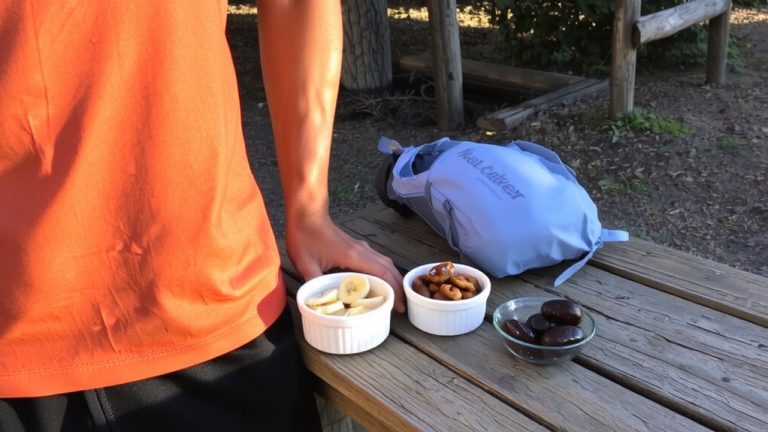
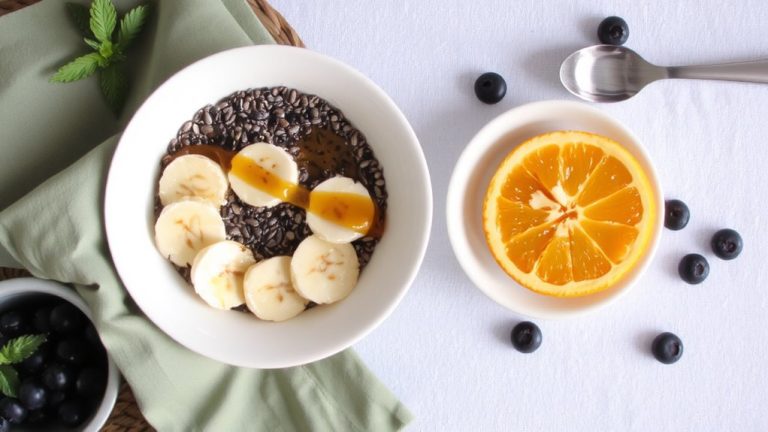
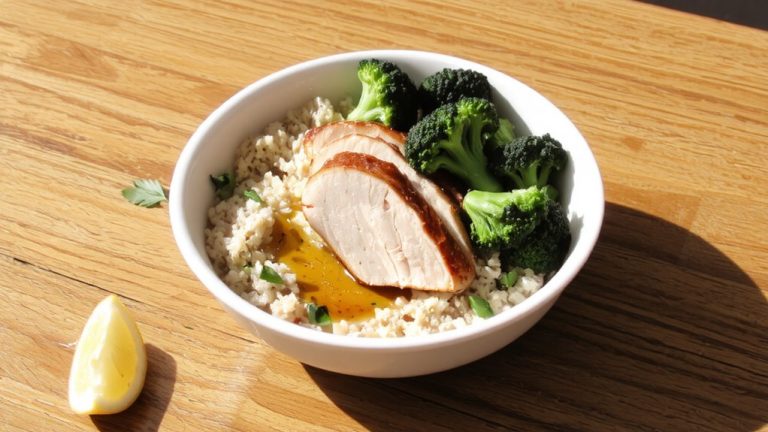
When you’re gearing up for a run, swapping high-fiber raw veggies for smarter, low-fiber options can make a real difference in how your stomach handles the miles. Reducing fiber helps prevent GI issues, especially if you’re sensitive to the FODMAP category. These pre-run food swaps focus on gentle digestion and quick energy-key in sports nutrition. Stick to low-fiber staples like white rice, white bread, cooked carrots, and peeled fruits to avoid bloating.
| Swap This | For This |
|---|---|
| Raw broccoli/cauliflower | Cooked carrots or potatoes |
| High-fiber salad | White rice with lean protein |
| Apples or pears | Peeled fruits like bananas or melons |
| Whole grain toast | White bread with peanut butter |
These swaps cut fiber by up to 50%, easing digestion. Testers report less abdominal distention and more comfort during long runs, making them proven choices for reducing fiber without sacrificing fuel.
When to Eat (And What to Avoid) Before a Run
If you’re serious about maximizing performance and avoiding mid-run discomfort, timing and food choices matter just as much as your training plan. Pay attention to nutrition in the days leading up to race day-opt for low-fiber, easily digestible foods like white rice, bananas, or white bread 3–4 hours before your run. These choices help top off glycogen stores without bloating. One registered dietitian suggests avoiding raw vegetables, onions, or mushrooms, since high-FODMAP food can pull water into the gut and increase bloating risk by up to 70%. Stick to cooked veggies and familiar, low-residue options 6–24 hours pre-run. Runners who experience GI issues often cite an unexpected bathroom stop-don’t be that one. Smart fueling means fewer risks, better runs.
On a final note
Skip raw veggies before running-they’re packed with fiber and can cause bloating, especially when your gut’s jostling with every stride. Stick to low-fiber picks like banana, white toast, or a Clif Bar 45 minutes pre-run. Testers felt lighter and ran faster without stomach slosh. Eat too close? Cramps spike 60%. Time it right, choose simple carbs, and you’ll stay comfortable, whether you’re logging 5K or chasing a PR.