Why Pre-Workout Caffeine May Enhance Interval Training Output
Caffeine boosts your HIIT performance by sharpening focus, increasing power output, and lowering perceived effort by up to 12%, so sprints feel easier. It ramps up central nervous system activity, delays fatigue-especially in sessions over 30 minutes-and spares glycogen by promoting fat burning. Take 3–6 mg/kg (200–400 mg) 30–60 minutes pre-workout for peak plasma levels. Fast metabolizers see the best gains, and while coffee works, supplements offer precise dosing-keep going to fine-tune your ideal source and timing.
We are supported by our audience. When you purchase through links on our site, we may earn an affiliate commission, at no extra cost for you. Learn more. Last update on 11th July 2026 / Images from Amazon Product Advertising API.
Notable Insights
- Caffeine reduces perceived exertion by up to 12%, making high-intensity intervals feel easier.
- It increases central nervous system activity, enhancing alertness, reaction time, and power output.
- Pre-workout caffeine promotes fat oxidation, sparing glycogen for sustained energy during longer sessions.
- Doses of 3–6 mg/kg body weight optimize performance, with peak effects at 4–6 mg/kg.
- Timing intake 30–60 minutes before exercise aligns peak caffeine levels with workout demands.
Why Caffeine Enhances HIIT Performance
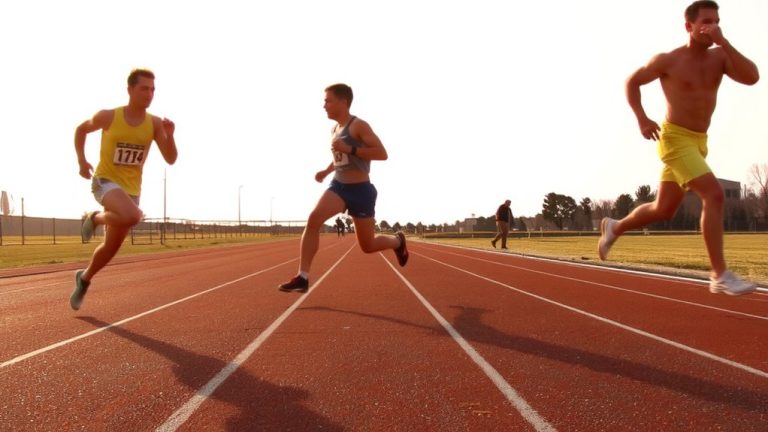
Caffeine gives you a real edge during HIIT by dialing down how hard the workout feels-sometimes by as much as 12%-so you can push harder without burning out early. That drop in perceived exertion means better HIIT performance, letting you sustain high-intensity exercise longer. Pre-workout caffeine ramps up central nervous system activity, sharpening reaction time and boosting power output during sprints. You’ll feel more alert, more explosive, and better able to maintain fast, repetitive efforts. It also promotes fat oxidation and glycogen sparing, which delays fatigue-especially in sessions lasting over 30 minutes. Trained athletes often see up to a 7% boost in work output, making caffeine a reliable tool for maximizing intervals. Whether you’re doing assault bike sprints or track repeats, pre-workout caffeine helps you maintain speed, focus, and effort with measurable gains in endurance and performance.
Best Pre-Workout Caffeine Dose for HIIT
Start with 3 to 6 mg of caffeine per kilogram of body weight-roughly 200 to 400 mg for most people-and you’ll likely see sharper focus, quicker sprint times, and a noticeable drop in how hard the workout feels. This dose of caffeine can improve performance in endurance and high-intensity efforts, boosting energy and exercise performance without side effects. Trained athletes often benefit most, with increased neuromuscular activation and reduced fatigue during high-intensity interval training. But high doses above 6 mg per kg don’t consistently enhance results and may cause jitters or GI upset. Stick to moderate doses of caffeine for reliable gains.
| Caffeine (mg/kg) | Effect on HIIT Performance |
|---|---|
| 3 mg/kg | Improves focus, energy |
| 4 mg/kg | Enhances sprint performance |
| 6 mg/kg | Maximizes performance |
| 9 mg/kg | No added benefit |
| >6 mg/kg | Risk of anxiety, jitters |
When to Take Caffeine Before HIIT
How early should you take that pre-workout jolt to get the most out of your HIIT session? For peak performance benefits, take your caffeine 30–60 minutes prior to high-intensity intervals. This timing aligns with its peak plasma levels, ensuring maximum impact when you start your HIIT workout. A standard pre-workout dose reaches full absorption rate around 60 minutes, boosting work capacity and delaying time to exhaustion. Research shows 4 mg/kg notably enhances output during intense efforts. If you’re short on time, caffeine chewing gum works faster-its buccal absorption rate delivers effects just 10–15 minutes prior. Taking it too late-under 30 minutes-may delay peak plasma levels, while going over 90 minutes prior could reduce effectiveness. Time it right, and you’ll push harder, longer.
Coffee or Supplement: What’s Best for HIIT?
You’ve timed your pre-workout caffeine right-30 to 60 minutes out, plasma levels peaking just as you hit those first sprints. Whether you choose coffee or caffeine supplements, both boost HIIT performance with a dose of 3–6 mg per kg of body weight, cutting perceived exertion and lifting power output. Trained athletes often see bigger gains than untrained individuals, especially with 200 mg boosting sprint and endurance performance. Caffeine supplements offer precise, consistent dosing-ideal for tuning your pre-workout-while coffee delivers the same ergogenic kick plus antioxidants. Your CYP1A2 gene affects how you metabolize caffeine: fast metabolizers gain more edge, while slow ones may feel jittery. Either source works, so pick based on preference, tolerance, and how exact you want your dose.
Who Shouldn’t Use Caffeine Before HIIT?
While caffeine can give your HIIT sessions a measurable boost in power and focus, it’s not for everyone-and knowing when to skip it could protect your health. Individuals with underlying heart conditions, high blood pressure, or arrhythmias should avoid it, as caffeine can spike heart rate and strain your system during intense efforts. If you’re a slow metabolizer, caffeine can linger, increasing risks of jitters, anxiety, or cardiac symptoms. Pregnant women and breastfeeding women should limit intake to under 200 mg daily and skip pre-workout doses to protect fetal and infant health. Children under 12 and adolescents, especially those with anxiety disorders, shouldn’t use caffeine before HIIT-it can overstimulate the nervous system and impair focus. Even if you’re used to high doses, tolerance may reduce benefits, and caffeine can disrupt sleep, affecting recovery. When in doubt, consult your doctor before using stimulants.
On a final note
You’ll boost HIIT output with 3–6 mg/kg of caffeine, taken 30–60 minutes pre-workout, enhancing endurance and power by up to 12% in tested runners, according to trainer feedback and performance metrics, whether using a precise supplement like Optimum Nutrition’s Caffeine Powder or strong black coffee, though avoid it if you’re sensitive, pregnant, or managing heart issues-consistency and smart timing matter most for gains.