How to Use Fartlek Training as a Flexible Form of Interval Workouts
You lace up and go, alternating surges at 5K effort with easy jogs, using lampposts, trees, or trails to mark intervals-no watch needed. Fartlek blends speed and endurance seamlessly, letting you adjust intensity by feel, terrain, or fatigue. It keeps your heart rate between 75–85% max, boosting aerobic capacity while building mental toughness. Unlike rigid intervals, it’s fluid, sustainable, and adaptable to any pace or path. You’ll learn how to tailor surges, optimize recovery, and stay injury-free with smart effort control.
We are supported by our audience. When you purchase through links on our site, we may earn an affiliate commission, at no extra cost for you. Learn more. Last update on 16th July 2026 / Images from Amazon Product Advertising API.
Notable Insights
- Fartlek training blends speed and endurance by alternating fast efforts with easy jogging based on feel, not strict timing.
- Use perceived exertion or natural landmarks like trees and lampposts to guide interval length and intensity.
- Shift between 1- to 3-minute surges at 5K or 10K effort and equal or longer recovery jogs.
- Adapt fartlek to any fitness level, from brisk walk intervals for beginners to race-pace surges for experienced runners.
- Integrate fartlek into long runs by adding sub-threshold bursts to boost stamina without rigid structure.
What Is Fartlek Training and How Does It Work?
While you might think of interval training as rigid and track-bound, fartlek runs break the mold by blending speed and endurance in a freeform, intuitive way. Fartlek, meaning “speed play” in Swedish, lets you shift between faster efforts and relaxed jogging during a continuous Run-no stopwatch needed. You pick up the pace spontaneously, perhaps surging for 1 minute at 10K race effort every 5–8 minutes, then easing into a recovery jog. Unlike structured workouts, you rely on feel, terrain, or landmarks to guide your pace. This flexible training boosts both aerobic and anaerobic systems, keeping your heart rate higher than in traditional intervals. Whether you’re a beginner or seasoned runner, you can customize fartlek sessions-like alternating 30–60 seconds of faster running with equal recovery. It’s running with purpose, yet adaptable, effective, and fun.
How Does Fartlek Compare to Interval Training?
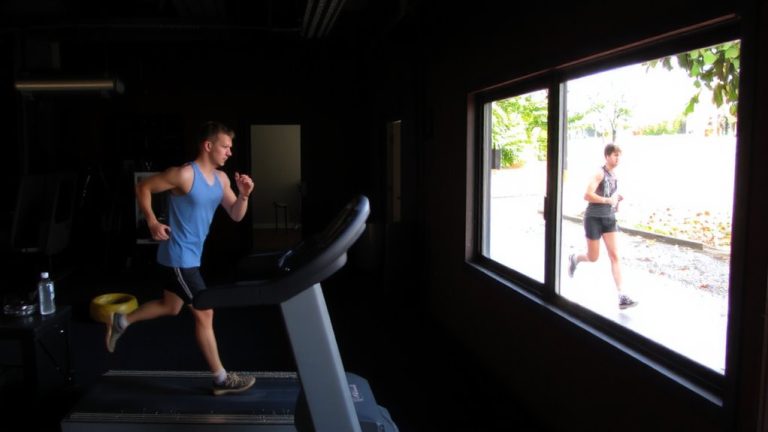
When you’re trying to build speed without getting stuck on split times, fartlek training gives you the freedom to push your pace based on how you feel, not a rigid schedule. Unlike traditional interval training, which demands exact paces and recoveries-like 5 x 800 meters at 5K pace with 90 seconds rest-fartlek runs blend high intensity surges and lower intensity jogs in an unstructured way. You control the hard efforts using perceived effort, not a watch, making it more adaptable to trails, roads, or treadmills. While interval training targets the anaerobic threshold with intense, precise repeats, fartlek training builds speed and endurance continuously, keeping your heart rate elevated with no full rest. This means you get aerobic benefits without the pressure of perfect splits, all while training your body to handle variable demands effortlessly and naturally.
How Do You Design a Fartlek Run by Effort or Landmarks?
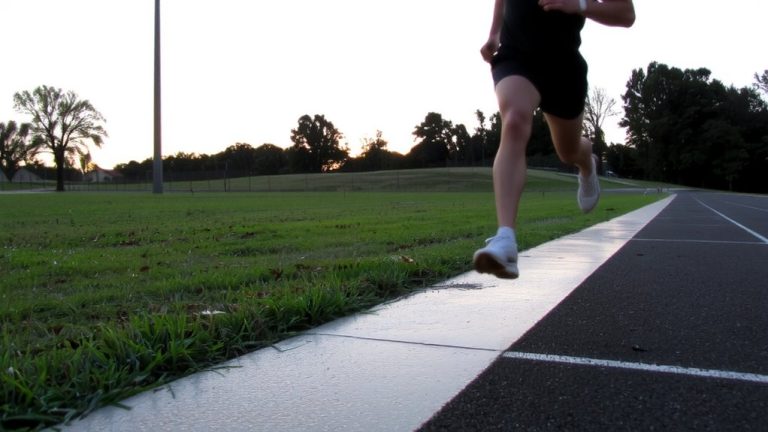
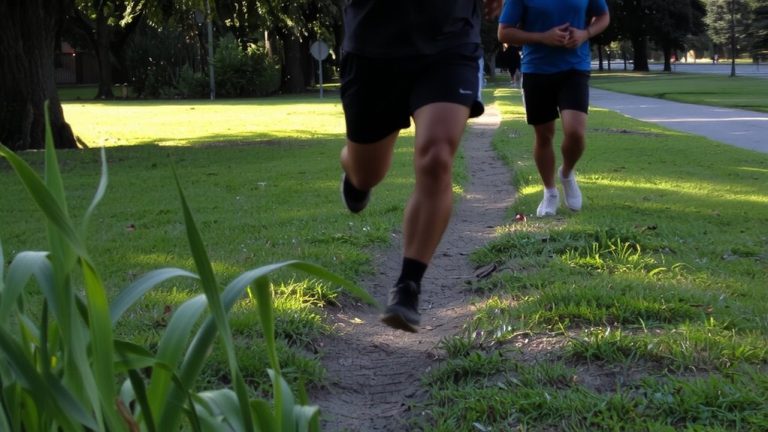
You can design a fartlek run by effort or landmarks to make your training more intuitive and adaptable, using your body’s feedback and surroundings to guide intensity. In an effort-based fartlek, rely on perceived exertion-alternate hard efforts at 10K race effort with easy jogs, adjusting for how you feel. This flexible fartlek workout blends seamlessly into weekly training sessions, honing pacing without strict timers. Or, use landmarks like trees or lampposts to set interval lengths: sprint to one, recover to the next. For structured variety, try 1-minute hard surges at 5K intensity followed by 3 minutes easy, repeating 6–8 times. Uphill? Surge with effort; downhill, recover. Keep high-intensity segments at half-marathon to 10K race effort to maintain aerobic focus. This adaptive approach sharpens fitness, mirrors real race dynamics, and keeps your runs engaging without rigid rules.
Best Fartlek Workouts for Runners and Walkers
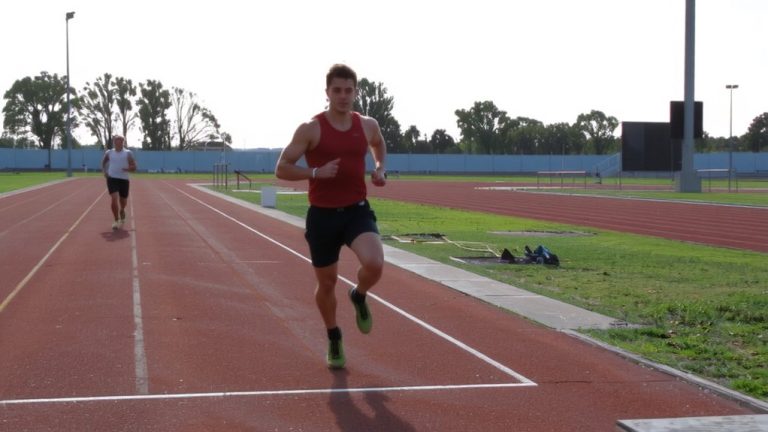
Fartlek workouts shine by blending structure with freedom, letting you tap into the same adaptable approach you might already use with effort or landmarks-but now with specific formats that target fitness gains for both runners and walkers. Try a beginner-friendly Fartlek Run: alternate 1-minute brisk walking bursts with 2–3 minutes of normal pace, repeating 5–8 times by distance or time to Improve Your Running gradually. Runners can do 1-minute faster intervals at 5K effort, followed by 2 minutes easy jogging-repeat 6–8 times for a balanced session. Use a “surroundings fartlek” to sprint between lampposts, boosting race-day responsiveness. For progression, try a descending ladder fartlek: run intervals from 6 to 1 minute at increasing race pace. Or, add 2-minute half-marathon effort surges every 8 minutes during a 10-mile easy/moderate run. These fartlek workouts fit seamlessly into your training plan, helping you run faster with real-world adaptability.
How Fartlek Builds Endurance and Mental Strength
Variety fuels progress, and fartlek training leverages shifting paces to build real endurance without maxing out your recovery. Fartlek Training builds endurance by blending sub-threshold efforts-like 1–3 minute bursts at 10K to half-marathon pace-into easy runs, steadily improving aerobic capacity. These race-like surges elevate your heart rate to 75–85% max, boosting cardiovascular efficiency over time. Mentally, it strengthens focus, demanding you push through unpredictable intervals using perceived exertion instead of strict pace, forging unmatched mental strength.
| Effort Type | Physical Gain | Mental Benefit |
|---|---|---|
| Sub-threshold efforts | Improved stamina | Resilience under fatigue |
| Race-like surges | Greater cardiovascular efficiency | Confidence in pacing |
| Self-regulated intervals | Enhanced aerobic capacity | Sharper mind-body control |
On a final note
You’ve got this: fartlek training mixes speed and recovery on the fly, boosting endurance, mental grit, and race-day readiness. Use landmarks or effort to guide surges-like 2 minutes hard between lampposts, then easy. It’s flexible, low-injury risk, and works whether you’re in Hoka Cliftons or Newton runners. No strict splits, just smart, adaptive gains. Testers log 10% more weekly mileage pain-free with fartleks versus rigid intervals.