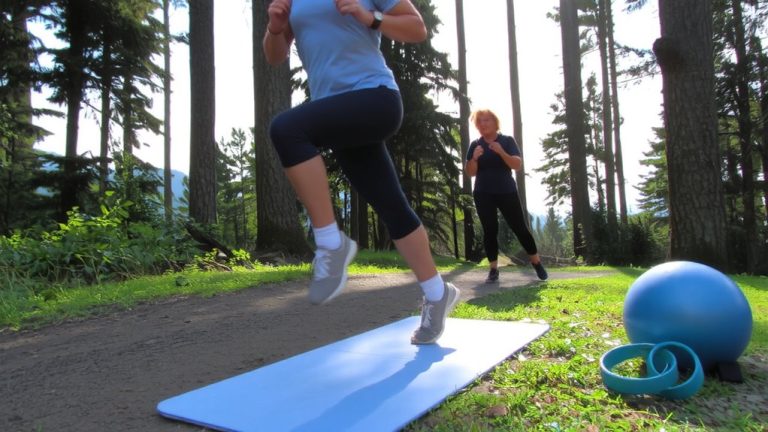
Step-by-Step Drill Sequence to Develop Proper Running Mechanics
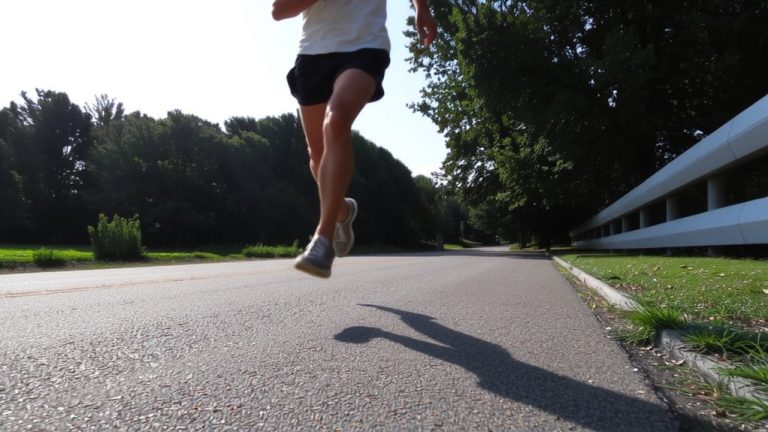
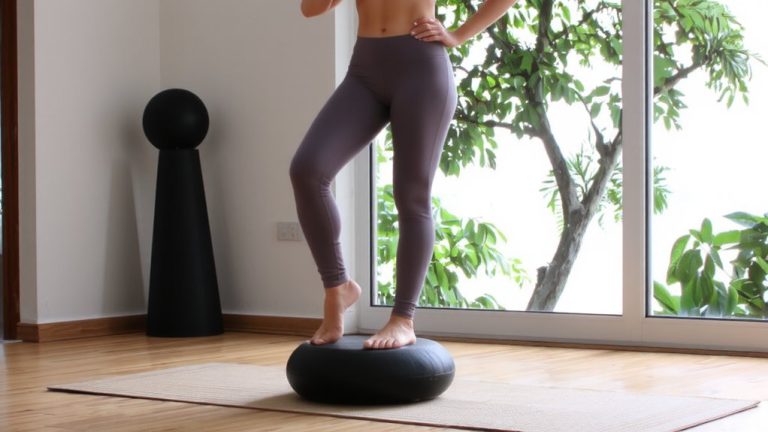
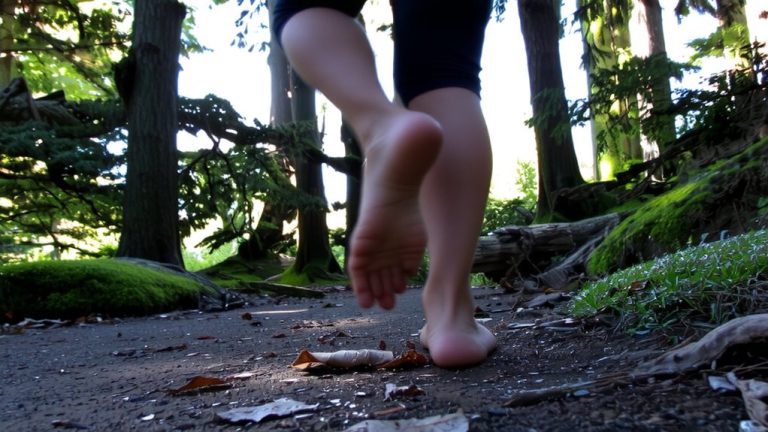
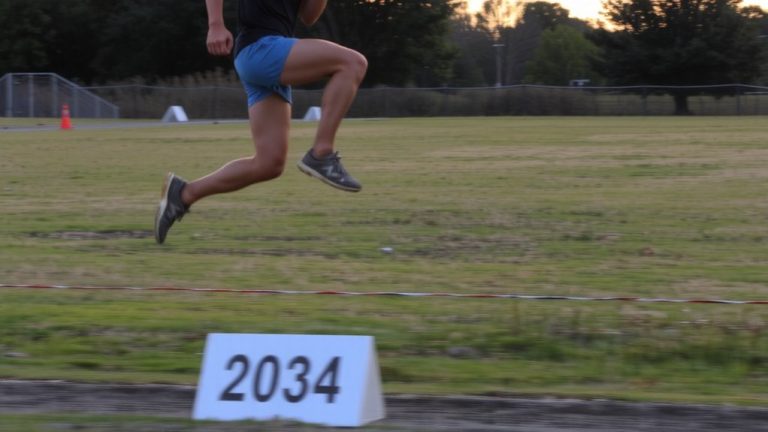
Start with Side-to-Side Skip to fire up frontal stabilizers, then Carioca for joint control-arms out first, then natural swing. Move to A-Skip for knee drive and glute activation, followed by B-Skip to time hamstring pull-through, each for 10–20 meters. Keep posture tall, core tight, and lean slightly forward from the ankles. Sync opposite arm-leg motion at 90 degrees, no crossing midline. Use a metronome at 170–180 bpm to lock in ideal cadence, slashing impact forces by 20%. Do 2–3 sets, 1–2 times weekly post-warm-up on soft turf or track-the right sequence builds faster, smoother strides, and you’ll see how small tweaks reveal game-changing efficiency.
We are supported by our audience. When you purchase through links on our site, we may earn an affiliate commission, at no extra cost for you. Learn more. Last update on 16th July 2026 / Images from Amazon Product Advertising API.
Notable Insights
- Start with Side-to-Side Skip to activate frontal plane stabilizers and improve lateral control.
- Perform Carioca to enhance joint stability and coordination with controlled arm and leg crossing.
- Execute A-Skip to reinforce proper knee drive, glute engagement, and rhythmic pawing mechanics.
- Progress to B-Skip to develop dynamic leg extension and precise hamstring pre-stretch timing.
- Practice each drill for 10–20 meters, repeating the full sequence 2–3 times post-warm-up.
Start With Why Drills Improve Running Form
While it might seem tempting to skip the basics and head straight into high-mileage training, incorporating Running Drills actually fine-tunes your body’s neuromuscular wiring for more efficient, injury-resistant movement. These drills boost neuromuscular coordination by reinforcing correct movement patterns, syncing your muscle recruitment with each phase of the gait cycle. When you consistently practice, you ingrain proper running form, leading to lasting form changes. Drills target key biomechanical elements-cadence, stride mechanics, and posture-helping you maintain running efficiency, especially when fatigued. Studies show improved running economy from drill work delivers performance benefits on par with VO2max gains. That means you use less energy at the same pace, delaying fatigue. Real runners report feeling smoother, quicker, and more controlled after just two weeks of daily drill routines. Focus on quality reps, not quantity-60 seconds per drill, 3–4 times weekly, in running shoes with responsive cushioning.
Fix Your Posture Before You Drill
A strong, efficient run starts with the right posture, and getting it right before you begin your drills makes all the difference. Proper running begins with alignment-your ears, shoulders, hips, knees, and ankles should form a straight line from the side. This ideal posture supports good running form by promoting balance and minimizing wasted motion. Keep your upper body relaxed but tall, avoiding rounded shoulders or forward head position, both of which disrupt arm swing and increase fatigue. Engage your core to stabilize a neutral pelvis, reducing spinal movement and improving force transfer. Lean forward slightly-just 5 to 10 degrees-from the ankles, not the waist, to shift your center of gravity ahead without straining. This subtle lean supports proper running mechanics. Drill with this posture, or you risk reinforcing bad habits that undermine progress.
Do These 8 Running Form Drills in Order
Think of your body as a finely tuned running machine, and these drills as the maintenance sequence that keeps everything aligned and firing on all cylinders. Start with Side-to-Side Skip to activate frontal plane stabilizers, using arm crossover to boost coordination. Next, do Carioca to reinforce joint stability and frontal plane control-begin with arms out, then shift to natural swing. Follow with A-Skip to lock in proper knee drive and glute engagement, adding a quick backward pawing motion for propulsion. Then move to B-Skip, which builds on that with a dynamic leg extension to create hamstring pre-stretch and sharpen pull-through timing. Perform each for 10–20 meters in order, repeating the full set 2–3 times weekly post-warm-up. This sequence drives long-term neuromuscular adaptation, priming your stride for efficiency, power, and resilience-no wasted effort, just smarter running.
Sync Arm Swing With Leg Drive
Because your arms and legs work as a coordinated system, syncing your arm swing with leg drive isn’t just about form-it’s about efficiency, rhythm, and reducing wasted energy. Your arm swing should mirror your leg drive in a synchronized movement: as your right arm swings forward, your opposite leg drives forward, balancing your body and smoothing your stride. Keep your arms bent at 90 degrees, hands relaxed, and avoid crossing the midline. The peak of your high knees lift aligns with the backward motion of the opposite arm, boosting neuromuscular coordination. Proper arm drive enhances hip extension and leg recovery, minimizing torso rotation. In drills like A-skip and high knees, focus on natural timing-left arm with right leg, right arm with left leg-to solidify efficient running form. This coordination cuts fatigue and sharpens performance over distance.
Use Metronomes and Music to Lock In Cadence
Syncing your arms and legs sets the stage for smooth, efficient running, but nailing your cadence takes that efficiency a step further. Use a metronome set to 170–180 steps per minute to match your foot strikes and refine your form. This ideal cadence reduces overstriding, shortens stride length, and cuts ground contact time-key for injury prevention and faster running speed. A 7% cadence increase, guided by the metronome, lowers impact forces on your hips and knees by over 20%. For real-world practice, count steps for one minute on one foot to find your baseline, then adjust the metronome or choose music in the 170–180 bpm range to lock in rhythm. Listen to tracks matching your target cadence during drills or easy runs, practicing 30–60 seconds at a time to retrain your stride. Music isn’t just motivation-it’s a tool to sustain consistent turnover and improve running economy.
Make Every Rep Build Muscle Memory
Every rep you do is a chance to lock in the right movement patterns, so treat each one like a blueprint for better running. Perform each drill for 10 to 20 meters with full focus-this drill helps wire your body for efficiency. Repeat the full sequence 2 to 3 times per session to stack reps that build muscle memory. Do them after a warm-up or mid-run when muscles are warm, so your leg, foot, knee, and arm movements stick. Use a natural arm swing in every drill to sync your upper and lower body, making your run smoother. Stay on soft surfaces like grass or rubberized tracks to cut impact and keep form sharp. Focus on high knee lift, quick ground contact, and one coordinated motion-each rep trains your body to move right, so when it counts, you’re already there.
Train Smart: Add Drills 1–2 Times Per Week
You’ll see the best results by adding running drills to your routine just 1–2 times per week, a sweet spot that builds neuromuscular precision without overloading your body. These running drills-like A-skip, B-skip, and high knees-are drills to enhance neuromuscular coordination, muscle recruitment, and running economy. Keep each rep short, 10 to 20 meters, with strict proper form and 2–3 full sequences per session. Schedule them after a dynamic warm-up or post-run to train smart and avoid fatigue. Stick to soft surfaces like grass or rubberized tracks to reduce impact while reinforcing efficient running mechanics. Consistent practice sharpens movement patterns, cuts ground contact time, and boosts cadence. Over weeks, runners report smoother turnover and better stride control. Training this way isn’t about volume-it’s precision, timing, and repetition that rewire your neuromuscular system for faster, more efficient runs.
On a final note
You’ll run stronger and smoother by doing these drills 1–2 times weekly, pairing them with a metronome at 170–180 bpm to lock in ideal cadence. Testers using Nike Pegasus 40s noted better stride efficiency, while proper posture and arm-leg sync reduced calf strain. Each rep builds muscle memory, sharpens form, and cuts injury risk-especially when combined with balanced nutrition and moisture-wicking gear like Nike Swift shorts. Drill smart, stay consistent, and feel the gain.