Daily Calf Raises on a Step to Strengthen Ankles and Prevent Strains
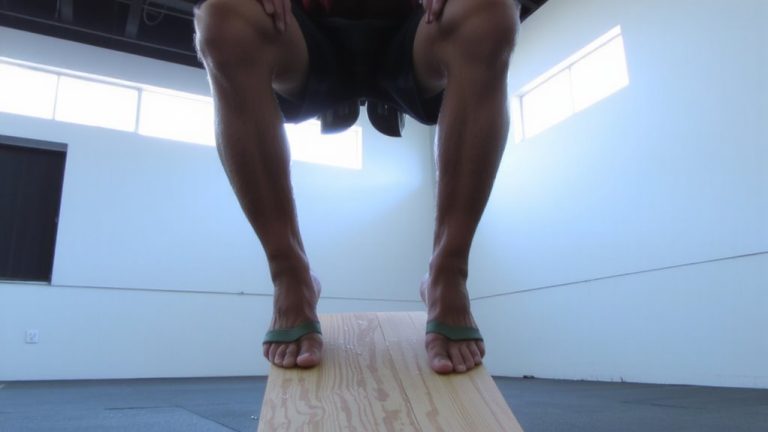
Stand on a step with heels hanging off, feet hip-width apart, and rise on the balls of your feet, squeezing your calves at the top. Lower slowly below the step level for a full stretch-this builds ankle strength, boosts mobility, and prevents strains. Do 3 sets of 20 daily, using a 2-second up, 2-second down tempo. Add dumbbells, single-leg reps, or a deficit block to progress safely. Your ankles will adapt, stabilize, and move with greater control over time-there’s more to fine-tune in your routine.
We are supported by our audience. When you purchase through links on our site, we may earn an affiliate commission, at no extra cost for you. Learn more. Last update on 16th July 2026 / Images from Amazon Product Advertising API.
Notable Insights
- Perform daily step calf raises to strengthen ankles and prevent common injuries like sprains and tendinitis.
- Use a step to achieve a deeper stretch by lowering heels below the step edge for full muscle engagement.
- Complete 3 sets of 20 reps daily with a 2-second up, 2-second down tempo for optimal endurance.
- Progress by using single-leg raises, added weight, or a deficit block to increase difficulty safely.
- Stop immediately if sharp pain, swelling, or numbness occurs and consult a healthcare professional.
How to Do Step Calf Raises With Good Form
When done right, step calf raises can greatly boost ankle strength and stability, which is key for preventing injuries and improving running performance. Stand on a step with heels hanging off the edge, feet hip-width, toes forward. Rise onto the balls of your feet by pressing through the metatarsals, fully contracting the gastrocnemius and soleus muscles at the top. Focus on a full range of motion-go high, then lower your heels below the step’s edge in a slow and controlled way to deepen the stretch. Keep your back straight, shoulders down, core engaged. This alignment guarantees clean muscle activation and builds real ankle stability. Perform 3 sets of 20 twice daily, as shown in clinical protocols, for best results. Consistent form turns basic calf raises into a potent tool for resilient, injury-proof running legs.
Why Step Calf Raises Strengthen Your Ankles
Because you’re lowering your heels below the level of the step, step calf raises give you an extra-deep stretch that fully engages both the gastrocnemius and soleus-two key muscles for ankle strength and stability. This increased range of motion activates more calf muscles fibers than flat-surface raises, boosting lower leg strength and supporting the Achilles tendon. Stronger gastrocnemius and soleus muscles improve joint control, reducing your risk of ankle sprains during quick cuts or uneven terrain. Step calf raises enhance neuromuscular coordination and proprioception, critical for injury prevention. Studies show people with greater calf muscle strength and full range of motion have fewer issues with ankle instability. By consistently using step calf raises, you build resilient lower leg mechanics, protecting your ankles in daily movement and sport.
Daily Benefits: Prevent Injury and Improve Mobility
Though you might not think of calf raises as a daily necessity, adding step calf raises to your routine can greatly cut your risk of common lower leg injuries while boosting mobility over time. Daily calf raises build strength in your calf muscles and lower leg muscles, enhancing ankle stability and helping prevent injuries like ankle sprains, Achilles Tendinitis, and Plantar Fasciitis. By lowering your heels below the step, you increase range of motion, improving flexibility and tendon resilience. Doing 3 sets of 20 reps with a 2-second up, 2-second down tempo boosts endurance and neuromuscular control, which improves balance and reduces fall risk. Over weeks, this consistent work helps improve mobility, supports pain-free movement, and keeps your feet and ankles strong. It’s a simple, effective way to protect your lower legs, whether you’re walking, running, or just staying active.
Make Calf Raises Harder: 3 Safe Progressions
You’ve already built a strong base with daily calf raises, gaining mobility and reducing injury risk through consistent, full-range movements. Now it’s time to make this exercise harder and build strength safely. Start by going one leg at a time on a step-this targets each calf individually and improves balance. To increase intensity, hold a 10–25 pound dumbbell in one hand or use a Resistance Band across your shoulders for added tension. Try a deficit position by placing the ball of your foot on a 2–4 inch block, letting your heels drop lower for greater muscle activation. Add a 3–5 second isometric hold at the top of each rep to boost endurance in your calf muscles. These progressions challenge your leg and ankle stability, helping you Raise your heels with more power, control, and resilience.
How Often to Do Calf Raises for Results
How often should you actually do calf raises to see real gains in ankle strength and mobility? Do them daily, performing calf raises with feet on the platform of a step for a full range of motion. Aim for one to three sets of 15–30 reps daily, moving slowly through each rep-2 seconds up, 1-second hold, 3 seconds down-to engage the lower legs and prevent injury. For rehab or endurance, do up to 100 daily in split sets. After two weeks, increase the intensity by adding weight or going leg at a time to keep building strength. Make sure you maintain control and don’t bounce. Consistency over 6–8 weeks yields measurable improvements, boosting tendon resilience and ankle stability. This routine strengthens calves effectively, supports mobility, and helps prevent strains, especially when done with proper form and progressive overload.
Warning Signs to Stop and See a Doctor
Consistency with daily calf raises builds real strength and supports long-term ankle stability, especially when done on a step with full range of motion and controlled tempo. But stop immediately and seek medical advice if you notice calf swelling, tenderness, or skin discoloration-like purple or black spots-as these could signal vascular issues or a blood clot. Sharp pain near the Achilles tendon, especially with movement, may indicate a serious strain or rupture. Don’t ignore numbness or tingling, as these often point to nerve compression or compromised circulation. If symptoms persist or worsen despite rest and proper form, it’s time to see a doctor. Never power through persistent discomfort; early detection prevents long-term damage. Your training progress depends not just on effort, but on smart choices-knowing when to stop protects your gains and keeps you safely active.
On a final note
Do daily step calf raises to build stronger ankles, prevent strains, and boost mobility. Stand on a stair’s edge, lower heels below the step, then rise onto toes-3 sets of 15 reps. For more challenge, try single-leg raises, add dumbbells, or use a weighted vest. Stop if you feel sharp pain or swelling. Consistency builds resilience, especially when paired with supportive shoes like Brooks Ghost 15 and compression socks.