World Best Stretch
You’ll improve mobility in your ankles, hips, and thoracic spine with the World’s Greatest Stretch, all while activating glutes, obliques, and deep core stabilizers, it’s a dynamic move osteopaths and Pilates instructors recommend for balanced movement, perform it daily, 10–15 reps per side, in a deep lunge with a 90-degree front knee, then rotate upward with one arm reaching, keep hips square and knees steady, try modifications like knee-down support or advanced hamstring engagement, there’s more to discover with form cues and progression tips.
We are supported by our audience. When you purchase through links on our site, we may earn an affiliate commission, at no extra cost for you. Learn more. Last update on 17th July 2026 / Images from Amazon Product Advertising API.
Notable Insights
- Combines lunge, plank, and twist to target ankle, hip, and thoracic spine mobility in one fluid movement.
- Stretches hip flexors and iliopsoas while activating glutes and hamstrings for balanced lower body engagement.
- Enhances core stability and oblique strength through controlled rotational reach with square hips.
- Supported by osteopaths and Pilates instructors for improving functional movement and joint health.
- Scalable for all levels, from knee-down beginner modifications to advanced dynamic athlete variations.
What Is the World’s Greatest Stretch?
Call it a mobility multitasker-the World’s Greatest Stretch packs a lunge, a plank, and a torso twist into one smooth, full-body movement that actually feels as good as it looks. You drop into a deep lunge, plant one palm down, then rotate your spine skyward, lifting the opposite arm to open your thoracic spine. That’s one rep of the Worlds Greatest Stretch-repeat 10 to 15 times per side. It hits your ankle dorsiflexion, hip flexors, glutes, hamstrings, and obliques all at once. You’re not just stretching-you’re priming movement patterns used in running, lifting, and daily life. Clinical Pilates instructors and osteopaths recommend it for balanced mobility. The Worlds Greatest Stretch flows easily between positions, linking stability and flexibility without extra gear. Do it daily, pre-workout or midday, to maintain range of motion, support injury prevention, and keep your body moving efficiently.
What Makes the World’s Greatest Stretch So Effective?
While most stretches focus on a single muscle group, the World’s Greatest Stretch stands out because it works your ankles, hips, and thoracic spine all at once, hitting key areas that get tight from sitting or repetitive motion. You’re not just stretching-you’re building mobility and stability through a dynamic sequence that blends a deep lunge, plank, and rotational twist. This movement boosts your range of motion while enhancing core engagement and proprioception, making it perfect before workouts. The controlled twist actively improves thoracic spine rotation, which supports better posture and reduces strain on your lower back. Clinical experts like osteopaths and massage therapists recommend it for joint health and stiffness relief. Do 10 to 15 slow reps per side, focusing on smooth shifts. It’s effective, efficient, and grounded in real functional movement-no extra gear needed, just your body and a little space.
Which Muscles Does the Stretch Target?
This full-body move fires up major muscle groups with precision, starting with your hip flexors-especially the iliopsoas-on the back leg, where the deep lunge keeps them lengthened and engaged. You’re also activating the glutes and upper hamstrings in your front leg, which stays bent at 90 degrees for stability. If you lift your back heel, you’ll feel a solid stretch in the calf muscles-both gastrocnemius and soleus. As you rotate your torso upward, your pectorals, deltoids, and intercostals kick in to support the movement. Thoracic rotation is key here, dynamically engaging your obliques and multifidus to promote spine mobility and core control. This isn’t just a stretch-it’s active prep for running, lifting, or sport, improving alignment, reducing injury risk, and boosting performance with every rep.
How to Do the World’s Greatest Stretch
If you’re ready to access mobility from head to toe, start by stepping into a deep lunge with your front foot planted firmly on the ground and your front knee bent exactly at 90 degrees, heel down, while your back leg stays straight and locked in place by squeezing the glute hard. From this deep lunge position, place one hand inside your front foot, palm down, then rotate your torso up, reaching the opposite arm toward the ceiling. Keep hips square and knees stable as you twist, engaging obliques and opening the chest. Perform 10 to 15 reps per side, returning fully to the starting position each time. This dynamic move hits ankle dorsiflexion, calves, hamstrings, hip flexors, glutes, shoulders, and intercostals in one fluid motion-no extra gear needed, just controlled movement.
Modifications and Variations for Every Fitness Level
When tight hips or stiff shoulders make the full World’s Greatest Stretch feel out of reach, dropping your back knee to the floor gives you immediate relief by reducing strain on the lower back and helping you stay balanced, especially if you’re new to dynamic mobility work. Use a yoga block under each hand if you’ve got tight hamstrings-this keeps your spine long and form solid. For more challenge, shift your back knee slightly back to deepen the hamstring stretch. Advanced? Add a thread-the-needle motion to fire up your thoracic spine. Link it into a flow with planks or leg swings to boost coordination and strength.
| Level | Modification | Benefit |
|---|---|---|
| Beginner | Back knee down, blocks | Reduces strain, improves balance |
| Intermediate | Back knee lifted | Increases hip and core demand |
| Advanced | Back knee posterior shift | Engages hamstrings, challenges control |
| Mobility Focus | Thread-the-needle add-on | Releases shoulders, enhances rotation |
| Athlete | Full flow integration | Builds strength, coordination, and fluidity |
On a final note
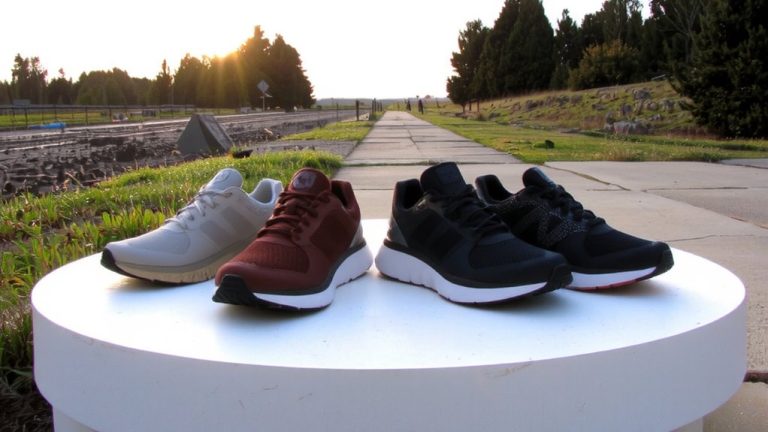
You’ve got the world’s best stretch in your toolkit now-use it daily. It fires up your hamstrings, hip flexors, thoracic spine, and glutes, prepping you for runs or lifting. Perform it slowly: lunge forward, plant hand, reach skyward, rotate open. Hold 20–30 seconds per side. Testers felt looser hips and less lower back strain within a week. Modify with a knee pad or shorter stance if needed. Pair it with dynamic warmups and Newton Running shoes for peak efficiency. Consistency beats intensity-just move, breathe, and progress.