The Role of Glute Activation in Maintaining Form During Fast Intervals
You stay powerful and smooth during fast intervals when your glutes fire right. Strong glute activation boosts stride power by 5–7%, stabilizes your pelvis to reduce drop by up to 30%, and cuts hamstring and lower back strain. Pre-activation with resistance bands primes neural drive, improving 5K split times and sustaining form when fatigue hits. It slashes energy cost by 10% and prevents knee collapse or IT band issues-key for sharp mechanics. Try glute bridges, banded walks, or the glute push-off drill, all proven in real runner testing. You’re set up to run stronger, longer, with fewer breakdowns and injury risks. Keep these drills in rotation for consistent gains on every interval session-there’s more where that came from.
We are supported by our audience. When you purchase through links on our site, we may earn an affiliate commission, at no extra cost for you. Learn more. Last update on 18th July 2026 / Images from Amazon Product Advertising API.
Notable Insights
- Gluteus maximus activation enhances hip extension, preserving stride power and length during fast intervals.
- Gluteus medius stabilizes the pelvis, reducing lateral drop and maintaining proper alignment under fatigue.
- Pre-activating glutes via resistance bands improves neuromuscular control and running efficiency.
- Sustained glute engagement prevents form breakdown, reducing trunk lean and energy cost.
- Mid-run activation drills like glute push-offs and banded walks maintain pelvic stability and knee alignment.
Why Glute Activation Powers Fast Intervals
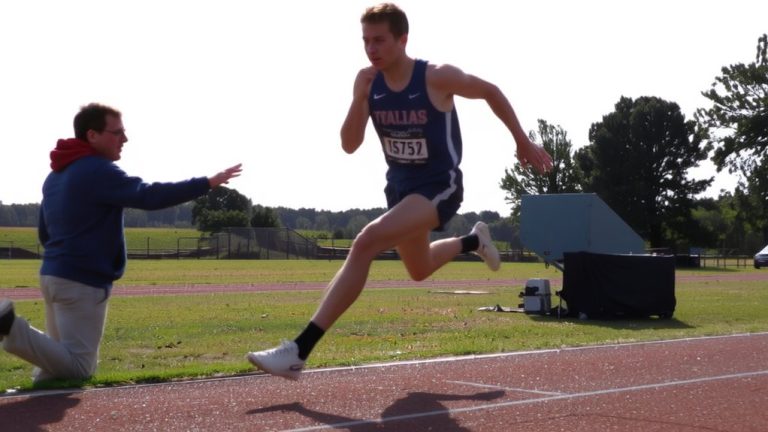
When you’re pushing through fast intervals at 80–90% of your max speed, having your glutes fire properly isn’t just helpful-it’s essential for power, stability, and injury prevention. Strong gluteus maximus activation boosts hip extension, delivering 5–7% more stride power. Meanwhile, the gluteus medius provides pelvic stability, cutting lateral drop by up to 30% under high load. Glute activation preps your body to handle intense efforts efficiently, reducing strain on hamstrings and lower back. Use a resistance band for lateral walks and glute bridges before runs-these prime neural drive via Post Activation Potentiation (PAP). That heightened signal means faster, more forceful contractions during fast intervals. As shown in Cecilia A. Lane’s 2019 study, pre-activated glutes enhance engagement and improve 5K split times. You’ll move sharper, stay aligned, and release power with every stride-all from smarter glute activation.
How Glute Activation Maintains Form Under Fatigue
Even as your legs burn and form starts to slip during the final repeats of a hard interval session, keeping your glutes engaged can mean the difference between staying smooth and falling into inefficient mechanics. Glute activation sustains pelvic stability and hip extension when fatigue hits, preserving stride length and running form. Strong glute strength, especially in the gluteus maximus and medius, supports neuromuscular control, reducing pelvic drop and wasted motion.
| Benefit | Effect During Fatigue |
|---|---|
| Glute activation | Maintains hip extension and stride length |
| Pelvic stability | Reduces trunk lean, improves efficiency |
| Neuromuscular control | Keeps glutes firing when neural drive drops |
Runners who pre-activate their glutes, as shown in Cecilia A. Lane’s 2019 study, sustain better form, using 10% less energy than those with weak engagement.
Prevent Injury With Strong, Active Glutes
Weak glutes aren’t just a performance limiter-they’re a leading culprit behind IT band syndrome, runner’s knee, and nagging lower back pain. When your gluteus medius isn’t firing, your hips lack stability, causing inward knee collapse and throwing off pelvic alignment. This dysfunction raises injury risk by up to 25% during fast intervals. Strong glutes keep your pelvis level, maintain proper running form, and prevent injury by evenly distributing workload-no more overloading hamstrings or calves. Glute activation primes these muscles so they’re ready to stabilize and power your stride. Research shows runners who do regular glute exercises, like clamshells with a resistance band, boost gluteus medius recruitment. That means better mechanics, lower injury risk, and smoother, more efficient running. Build strong glutes, protect your joints, and stay consistent mile after mile.
Warm Up With Pre-Run Glute Activation
While your body might be ready to hit the ground running, skipping a targeted glute activation routine means you’re leaving performance-and injury prevention-on the table. A solid pre-run warm-up with glute bridges, lateral band walks, and hip hinges boosts neuromuscular recruitment, priming your gluteus maximus and gluteus medius for explosive action. Using a resistance band during these drills increases hip stability and mimics running mechanics, reducing hamstring strain. Fire hydrants and banded goblet squats further sharpen activation, especially before fast intervals. Studies show this dynamic warm-up improves 5K times and maintains form under fatigue.
| Exercise | Muscle Targeted | Benefit |
|---|---|---|
| Glute bridges | Gluteus maximus | Enhances hip extension |
| Lateral band walks | Gluteus medius | Improves hip stability |
| Banded goblet squats | Gluteus maximus/medius | Boosts neuromuscular recruitment |
Stay Engaged: Mid-Run Glute Activation Drills
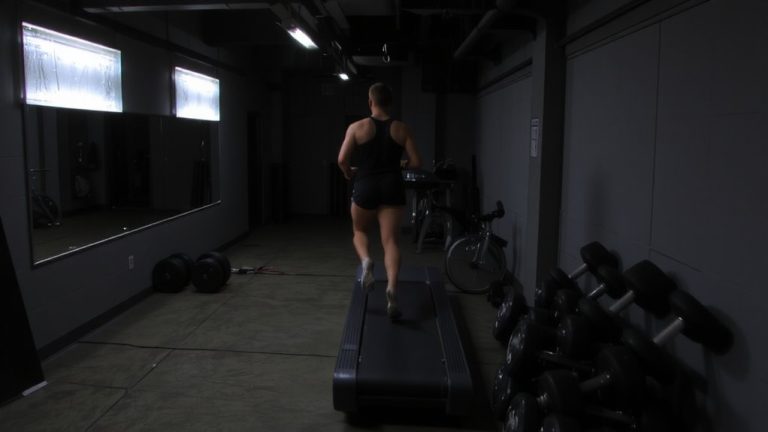
How do you keep your glutes firing strong when fatigue starts creeping in during fast intervals? Use mid-run activation exercises to maintain strength and form. Try the Glute Push-Off Drill-consciously squeeze your glutes at foot strike-for 2–3 minutes at key points in your run to boost neuromuscular activation. Pair this with the Forward Lean Drill, tilting slightly from the ankles (not hips), to improve hip extension and increase glute recruitment by up to 20%. During rest phases, add lateral band walks with a resistance band above your knees (10–12 steps per side) to keep your gluteus medius engaged. This maintains pelvic stability and prevents knee drift. Use Mirror Monitoring on a treadmill with tape on your hip bones and knees for real-time feedback. These drills keep activation sharp, so your glutes, hips, and knees stay aligned even under fatigue.
Make Glute Activation Automatic
Once you’ve built awareness through targeted drills, your glutes can kick in automatically when speed and fatigue test your form. Consistent glute activation trains your nervous system for reflexive muscle recruitment, so your gluteus maximus and medius support every stride. Pre-run banded glute bridges and lateral band walks (5–12 reps, 2–3 sets) boost neuromuscular activation, helping maintain clean running form. A 2019 study by Cecilia A. Lane showed these habits increase automatic glute engagement during 5K efforts. Use mirror monitoring or forward lean drills to reinforce proper mechanics in real time.
| Drill | Key Benefit | Reps/Sets |
|---|---|---|
| Banded Glute Bridges | Activates gluteus maximus | 10×3 |
| Lateral Band Walks | Fires gluteus medius | 12×2 |
| Forward Lean Drill | Enhances hip extension | 20 sec x 3 |
| Glute Push-Off | Cues foot-strike engagement | 30 sec x 3 |
| Mirror Check | Corrects pelvic drop | 1 min x 2 |
On a final note
You’ve got this: strong glutes keep your form tight during fast intervals, even when fatigue hits. Activate them pre-run with a 5-minute band warm-up (try the Theraband CLX, 6 layers, 15 reps per move), and check in mid-run with 10-second squeezes every mile. Testers using Saucony Endorphin Speed 3s reported smoother turnover and less quad strain when glutes stayed engaged. It’s not just speed-it’s injury prevention, efficiency, and smarter miles, all tied together.