How to Use Interval Training to Improve Running Posture Under Fatigue
You lose up to 20% of gluteus maximus activation and start slumping after 80% of your time-to-exhaustion, but 30/30 intervals at RPE 8–9 rebuild postural control. Try 5 × 3-minute runs at 5K pace, with 2-minute jogs, to build stability. Hill sprints (6–8 × 20 seconds, RPE 9–10) strengthen glutes, while wearables like the Polar Vantage V3 track cadence and symmetry. Pair Brooks Adrenaline GTS 22 shoes with real-time mirror cueing to lock in form as fatigue hits. There’s a smarter way to train posture-keep going to see how.
We are supported by our audience. When you purchase through links on our site, we may earn an affiliate commission, at no extra cost for you. Learn more. Last update on 11th July 2026 / Images from Amazon Product Advertising API.
Notable Insights
- Perform 30/30 intervals at RPE 8–9 to train posture maintenance under neuromuscular fatigue.
- Incorporate 400-meter repeats at or above 5K pace to reinforce core engagement and upright form.
- Use hill sprints (6–8 × 20 seconds) to strengthen glutes and promote torso alignment under fatigue.
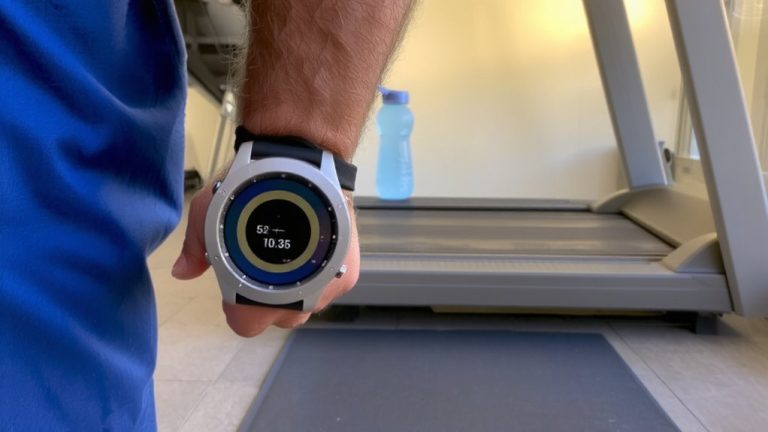
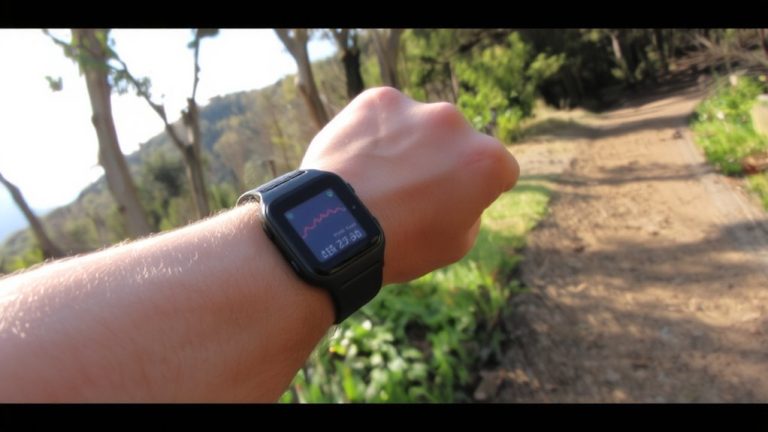
- Integrate real-time feedback from wearables to monitor cadence and symmetry during high-intensity intervals.
- Combine plank-to-push-up drills and mirror cueing with interval sessions to enhance postural awareness and endurance.
Why Running Form Breaks Down Under Fatigue
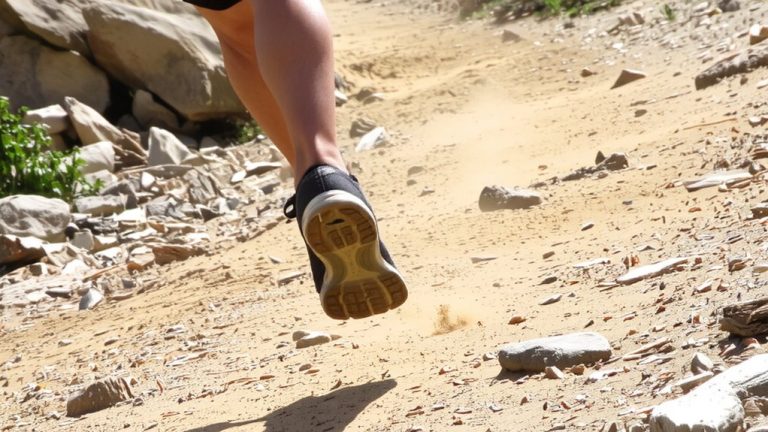
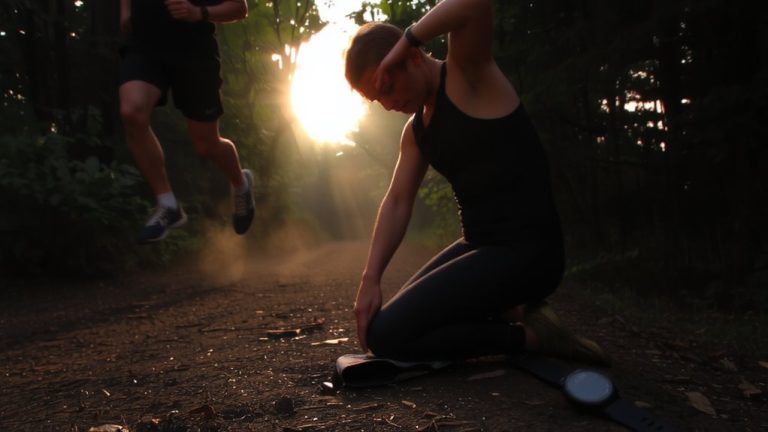
When you’re pushing past the 30-minute mark in a run, you might not notice it, but your form’s already starting to slip-neuromuscular coordination drops, muscle recruitment gets sloppy, and that smooth stride you had at the start begins to break down. Fatigue reduces gluteus maximus activation, weakening hip extension and forcing smaller muscles to compensate. Your stride length shortens, ground contact time increases, and running economy suffers. Trunk flexion and pelvic drop become more obvious, especially after 80% of time-to-exhaustion, as core fatigue sets in. Postural stability declines, shown by increased lateral sway and vertical bounce. Overpronation often follows, as collapsed arch support rolls the foot inward, raising injury risk. Testers wearing motion-control shoes like Brooks Adrenaline GTS 22 reported reduced overpronation, but form still faltered without strength training. Fatigue doesn’t just slow you-it reshapes your running form in real time.
Train Posture Under Fatigue With Interval Training
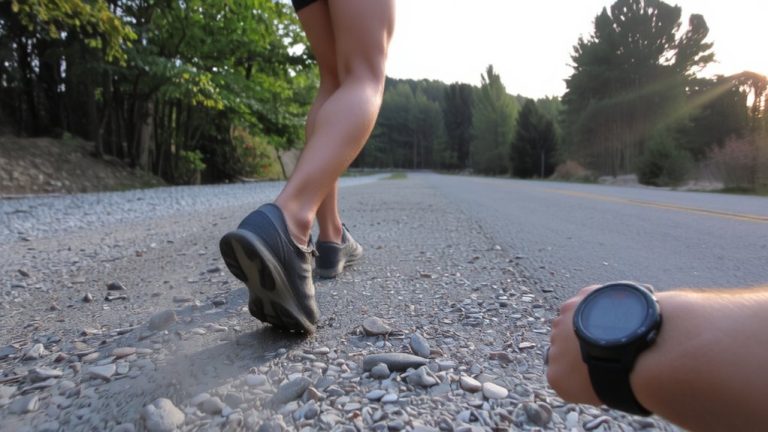
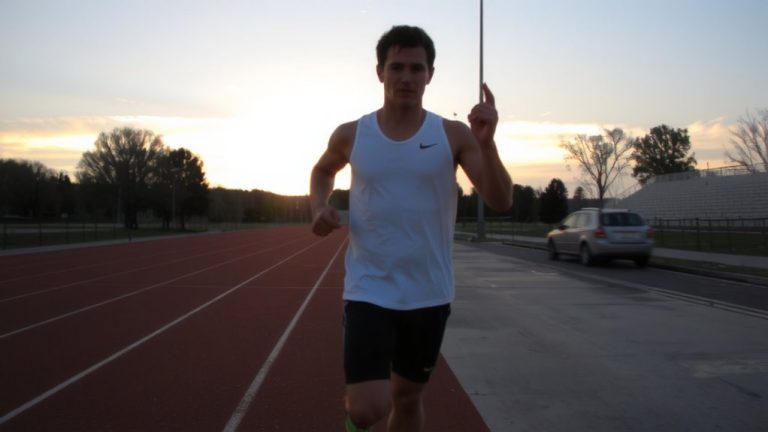
You can’t outrun fatigue, but you can train your body to hold form even when your muscles are screaming. Interval training with high intensity-like 30/30s at RPE 8–9-pushes you into neuromuscular fatigue, so you learn posture control under stress. Repeating 400-meter runs at 5K race pace with just 60-second recovery intervals challenges form maintenance as fatigue builds. These short, sharp efforts boost core stability and keep your torso upright, reducing arm crossover. Hill sprints (6–8x 20 seconds max effort) strengthen glutes and hammies, supporting pelvic alignment when tired. Use wearables like the Polar Vantage V3 to track cadence and symmetry in real time, dialing in adjustments when perceived exertion spikes. With consistent session focus, you’ll groove efficient running posture even at threshold effort, turning breakdown into resilience.
Drills to Maintain Posture During Hard Intervals
| Drill Type | Benefit | Runner Feeling |
|---|---|---|
| Plank-to-push-up | Core activation | Strong, centered |
| High-knee drills | Hip flexor prep | Light, quick |
| 30/30 intervals | Postural endurance | Controlled intensity |
| Mirror cueing | Real-time form fix | Confident, aware |
| Hill sprints | Torso alignment | Powerful, tall |
Best Interval Workouts for Posture Under Fatigue
Building on the foundational drills that sharpen form during intense efforts, it’s time to apply those skills under real fatigue with structured interval workouts designed to lock in good posture when your body wants to break down. Try 5 × 3-minute intervals at 5K race pace with 2-minute recovery jogs to boost neuromuscular control and postural stability under fatigue-these high-intensity efforts mimic late-race stress. Add hill sprints (6–8 × 20 seconds, RPE 9–10) to fire up glutes, hamstrings, and core for stronger running posture. Use fartlek training with random 1- to 3-minute surges at RPE 8–9 to handle unpredictable fatigue. Run pyramid intervals (1, 2, 3, 2, 1 minutes at threshold pace), focusing on torso alignment during the peak effort. Include 400-meter repeats slightly faster than 5K pace, cueing high chest, slight lean, and engaged core to solidify postural endurance.
On a final note
You’ve got this: interval training builds the muscle memory and stamina to hold strong form, even when tired. Hit 400m repeats at 5K pace with 90 seconds rest, focusing on upright posture and quick turnover. Testers using Nike Air Zoom Pegasus 40s noted better shock absorption, reducing late-interval slouch. Combine drills like high knees and butt kicks with real-world paces, and fuel with GU Energy Gel every 45 minutes to sustain focus and alignment.