How to Fuel Before a 5K Without Overeating
Hydrate with 2–3 liters daily starting 2–3 days out, then sip 17–20 ounces 2–3 hours before your 5K. Skip carb-loading-your glycogen stores last 90 minutes, way longer than most 5Ks. Stick to a 200–300 calorie, low-fiber, low-fat breakfast like toast with jam or a banana 1–2 hours prior. If hungry late, grab a tested 100–150 calorie carb snack 30–60 minutes out. Never try new foods-stick to what your stomach knows. Smart fueling means no slosh, no cramps, and steady energy from start to finish line.
We are supported by our audience. When you purchase through links on our site, we may earn an affiliate commission, at no extra cost for you. Learn more. Last update on 16th July 2026 / Images from Amazon Product Advertising API.
Notable Insights
- Hydrate gradually with 2–3 liters of fluids daily starting 2–3 days before the race to maintain balance without overloading.
- Skip carb-loading since 5Ks are short and glycogen stores are sufficient for under 90 minutes of effort.
- Eat a simple, 200–300 calorie breakfast 1–2 hours pre-race using low-fiber, low-fat, familiar foods.
- Time your meal 1–2 hours before start to avoid nausea and ensure digestion doesn’t compete with running.
- If needed, snack on 100–150 calories of high-carb, low-residue food 30–60 minutes before the race.
Hydrate in the Days Before Your 5K
While peak hydration starts well before race morning, getting your fluid intake right in the 2–3 days leading up to your 5K can make a real difference in how you feel at the starting line. You need a consistent daily intake of 2–3 liters to maintain ideal fluid balance and support cellular function during exercise. This isn’t about chugging water at once-it’s about steady hydration that keeps your body primed. Aim to hydrate with familiar fluids like water, coffee, or sports drinks you’ve tested in training. About 2–3 hours before the race, drink 17 to 20 ounces (500–600 mL) to allow time for absorption. Sip instead of gulp during the final hours; large volumes close to start time can disrupt fluid balance, cause stomach discomfort, or increase bathroom stops. Proper hydration means you start strong, feel light on your feet, and avoid cramps during your 5K.
Skip Carb-Loading for Short Races
You’ve already taken care of your hydration in the days leading up to the race, sipping fluids steadily so your cells are primed and your stomach stays happy at the start line-now let’s clear up a common misconception about fueling: carb-loading isn’t necessary for a 5K. Your muscle glycogen stores can fuel up to 90 minutes of running, and since most 5Ks take far less time, you don’t need to overdo carbs the day before. Studies show carb-loading only benefits endurance events longer than 90 minutes, like marathons. For a 5K, focus on moderate carbohydrates 2–4 hours before race day to top off energy without discomfort. This approach will fuel your run efficiently. Avoid high-fat or heavy meals that slow digestion. Stick to simple, known foods that sit well-no surprises. Keep it light, balanced, and effective.
Eat a Simple, Familiar Breakfast
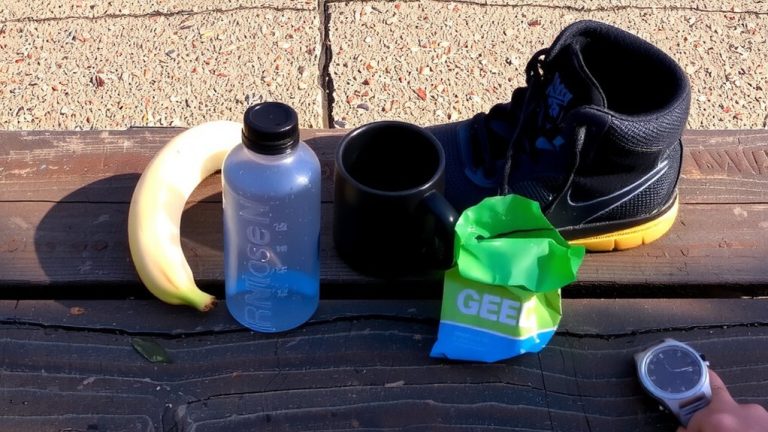
If you’re racing in the morning, eating a simple, familiar breakfast 1 to 2 hours before the start gives your body time to digest and convert food into usable energy, so you feel light, fueled, and ready-aim for 200 to 300 calories of low-fiber, easily digested carbs, like white toast with jam or a ripe banana, both of which deliver quick glucose without excess residue in the gut. Eat a Light meal with less than 10 grams of fiber and minimal fat-under 5 to 10 grams-to avoid GI issues. Stick to tested meal ideas: oatmeal topped with a little honey, a plain energy bar, or a small mix of carbs like a banana with almond butter. Choose options with less than 10 grams of fiber per serving. Avoid spicy or rich foods. Your body already knows what works-keep it simple, proven, and gut-friendly.
Time Your Meal 1–2 Hours Before
Timing your pre-race meal right is key to feeling strong at the starting line, and getting it wrong can lead to side stitches, bloating, or hitting the port-a-potty mid-race. Eat your prerace meal 1–2 hours before the race so you have time to digest without feeling hungry. Aim for 200–300 calories of easy-to-digest carbs like toast, oatmeal, or a banana. This timing lets blood flow shift from digestion to your muscles when it matters most. Keep fat under 10 grams and fiber low-less than 5 grams-to reduce stomach cramps. If you eat too close, you risk nausea or cramping; too early, and you’ll bonk. Eating 1–2 hours pre-run gives your body time to process the meal so you’re fueled, not full. It’s the sweet spot to eat before running without discomfort. A well-timed meal means you start strong and stay steady.
Grab a Light Carb Snack If Needed
Even when you’ve timed your main pre-race meal perfectly, a light carb boost can keep hunger at bay without weighing you down, especially if the race starts later than expected or your stomach starts to grumble. If you need a little energy boost, grab 100–150 calories of easy-to-digest Pre-Run Snacks about 30 to 60 minutes before the gun goes off. Make sure they’re high-carb, low-fiber, and contain less than 10 grams of protein and fat to prevent cramps. Stick to items you’ve tested before - no surprises. Pair your snack with a few sips of water or a sports drink, not skim milk, which may cause bloating. Here are some solid nutrition tips and snack ideas:
| Snack | Calories | Carbs (g) |
|---|---|---|
| Small banana | 105 | 27 |
| Animal crackers (10) | 110 | 18 |
| Apple sauce cup | 100 | 25 |
Tips to keep: eat light, time right, and stay hydrated.
Never Try New Foods on Race Morning
While your adrenaline might be pumping on race morning, now’s not the time to experiment with a new energy bar, granola mix, or pre-run smoothie you’ve never tried. You should never try new foods on race morning-your body needs familiarity, not surprises. Up to 50% of runners report stomach issues when testing different foods before a race, and that’s a risk you don’t need. Stick to what you’ve used during training runs, especially low-fiber, low-fat options that go easy on your system. Introducing new energy gels or high-protein snacks can leave you feeling bloated or nauseous. The American College of Sports Medicine recommends eating a known meal at least one hour pre-race. Real runners confirm it-78% of competitive 5Kers eat only trusted foods. Keep it simple, keep it tested, and let your legs do the work.
On a final note
Stay hydrated in the days before your 5K, but don’t overdo carbs-they’re not needed for short races. Eat a simple breakfast you know works, like toast with peanut butter, 1–2 hours before. If you’re hungry, grab a banana or energy gel. Never try new foods race morning-it’s a fast track to cramps. Keep it light, familiar, and timed right for steady energy and zero discomfort.