Designing a 3-Week Peak Interval Block Before a Target Race
You slash your weekly mileage by 40–60% starting 21 days out, then hit 4–6 x 1,000m at 3K–5K pace with 2:30–3:30 jog recoveries in Week 1 to hammer VO₂ max. Week 2 adds 1–2 more reps at the same pace, boosting aerobic power without fatigue. In Week 3, drop to 4–6 x 400m at 5K–10K speed and 3-minute sprints at 95–100% max heart rate, then rest completely post-day 10. You’ll see sharper turnover, full glycogen stores, and optimized oxygen delivery on race day, letting your legs fire with precision and strength when it counts. There’s more beneath the surface to fine-tune your edge.
We are supported by our audience. When you purchase through links on our site, we may earn an affiliate commission, at no extra cost for you. Learn more. Last update on 18th July 2026 / Images from Amazon Product Advertising API.
Notable Insights
- Begin the peak block exactly 21 days pre-race to align with optimal taper and performance timing.
- Reduce weekly volume by 40–60% from peak mileage while maintaining race-pace intensity.
- Week 1 focuses on 4–6 x 1,000m at 3K–5K pace with full jog recoveries to target VO₂ max.
- Week 2 increases repetition volume by 1–2 reps to boost time spent at aerobic capacity.
- Week 3 shifts to 4–6 x 400m at 5K–10K pace and ends high-intensity work 7–10 days pre-race.
What Is a Peak Interval Block and Why It Works?
While you’re wrapping up your base training and your legs are feeling the grind, shifting into a peak interval block is the smart move to sharpen your speed and arrive race-ready. This 3-week training phase cuts volume by 40–60% but keeps intensity high with short, race-pace efforts-think 4–6 x 800m at 5K–10K pace-to maintain neuromuscular sharpness. It works because reduced mileage lets your muscles recover and supercompensate, boosting glycogen storage, enzyme activity, and oxygen delivery. You’ll keep that race-specific fitness without the fatigue. The last hard session lands 7–10 days out, aligning with peak performance timing in periodization. Studies and real runners, like those using CaptainThunderpants’ 2-week taper model, show clearer breathing, snappier turnover, and better mental focus. It’s not just rest-it’s precision tuning for your fastest finish.
How to Plan a Peak Interval Block With Your Taper
You’ve built the endurance, logged the miles, and now it’s time to tune your body for peak race performance. Start your 3-week peak interval block exactly 21 days out, cutting weekly volume by 40–60% while keeping race-specific intensity. This balance maintains fitness without added fatigue. In week 1, hit 4–5 x 1,000m at 10K pace, using 3–4 minute recoveries to preserve aerobic power. Week 2 shifts to 6–8 x 400m at 5K pace with 90-second breaks, boosting running economy and neuromuscular sharpness. Your final high-intensity effort-3–4 x 30 seconds near VO2 max-should land 9–10 days pre-race, with full 2–3 minute recoveries. After that, no intervals; the taper zeroes in on strides, hydration, sleep, and recovery to guarantee you’re fresh, primed, and ready to race strong.
Week 1: Start Your Peak Interval Block at 3K–5K Pace
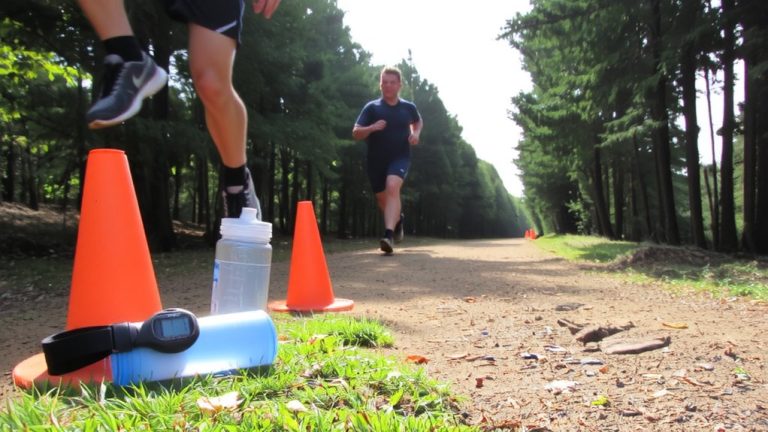
Since your endurance base is set and your taper timeline locked in, kick off week 1 of your peak block with sharp, race-specific intervals at 3K–5K pace-think 6 x 1,000m at your 3K race effort, with equal recovery jogs of 2:30 to 3:30 minutes between reps. This early surge in your peak phase maintains high-end aerobic power and fine-tunes neuromuscular recruitment, priming your stride for marathon or half marathon turnover. Keep volume 20–30% below peak weekly mileage, but don’t soften the intensity. Each rep should last 2.5 to 4 minutes, fully engaging your VO₂ max. Use 800m to 1,200m intervals at 3K–5K effort for ideal stress and specificity. Stick to equal recovery jogs to preserve run quality. This first week of your interval block sets the tone-crisp, focused, and race-sharp-without overreaching.
Week 2: Add Reps in Your Peak Interval Block for VO₂ Gain
Now that you’ve lit up your VO₂ max with sharp 3K–5K paced intervals in Week 1, it’s time to build on that foundation by adding 1–2 more reps in Week 2-think 6–7 x 1,000m instead of 5–6, holding the same goal pace, with equal recovery jogs of 2:30 to 3:30 minutes. This small jump in volume during your training block lets you log more quality time at VO₂ max, boosting aerobic power and neuromuscular coordination. Keeping the pace consistent guarantees you stay in the right zone without burning out. Avoid shortening recoveries or doing back-off sets-stay strict to maintain specificity. You’re not increasing intensity, just reps, so the stress stays manageable. Runners in field tests reported smoother stride patterns and better race-pace control after this phase. Stick to firm, consistent efforts on a track or flat course, ideally in lightweight trainers like the Nike ZoomX Streakfly, to maximize efficiency and feedback.
Week 3: Sharpen With Less Volume in Your Peak Block
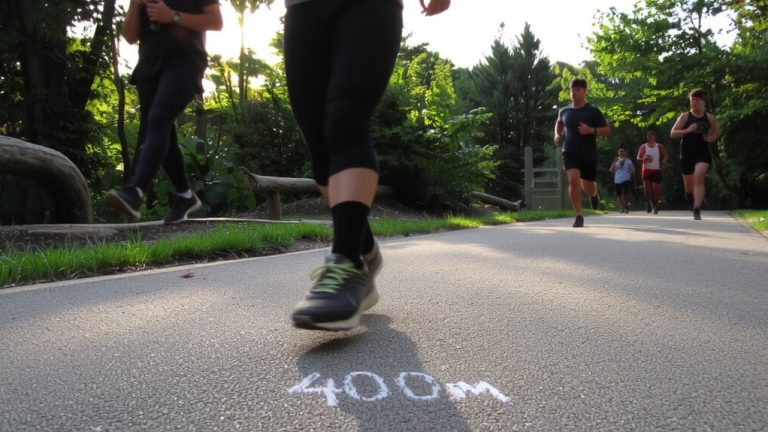
As you ease into the final phase of your peak interval block, cut the total volume by 40–60% compared to your heaviest week, but keep the intensity high to stay sharp for race day. Your training now shifts to short, race-specific efforts-think 4–6 x 400 meters at 5K to 10K pace with full recovery-so you maintain speed without fatigue. Replace longer VO₂ sessions with 3–5 x 3-minute bursts at 95–100% max heart rate, limiting hard effort time to under 20 minutes per workout. Keep training frequency steady, but prioritize recovery weeks by reducing stress while sharpening neuromuscular drive. Do your final high-intensity session 7–10 days out to align with the taper, ensuring fresh, race-ready legs. This balance of reduced volume and maintained intensity fine-tunes fitness without overreaching, so you peak with precision, not guesswork.
Train Hard Without Overdoing It
You’ve trimmed the volume and sharpened your edges in Week 3, but staying race-ready means knowing how to train hard without crossing into overreaching-especially in Weeks 1 and 2 of your peak block. Work hard with high-intensity sessions like 5 x 1000m at 5K race pace, gradually increasing sharpness while keeping weekly mileage at 70–80% of your peak. Stick to two quality sessions per week, and add 4–6 strides of 20 seconds after easy runs to maintain neuromuscular efficiency. If fatigue piles up, slot in a recovery week with 50% volume and no long intervals. Cap your last hard workout 9–10 days out, then shift to shorter, race-specific efforts like 6 x 400m. Trust the process: you’re fit, fresh, and ready.
Sync Your Peak Block With Race Day Timing
Why leave your best performance to chance when you can program it? Syncing your peak block with race day timing guarantees your body hits its peak exactly when it matters. This phase isn’t just about fitness-it’s about precision. Train at the same time of day as your race start to cue your circadian rhythm, sharpening focus and fuel efficiency.
| Timing | Purpose |
|---|---|
| 10–14 days out | End peak intervals, begin recovery |
| 9–11 days out | Final high-intensity session (4–6 x 1K at 5K race pace) |
| 7–10 days out | Drop intensity, start pre-taper |
| Race day | Sharp, fresh, and fully adapted |
You’ll maintain race-pace intensity while slashing interval volume by 40–60%, preserving neuromuscular speed without fatigue. This final phase sets you up to arrive at race day fully primed-no guesswork needed.
On a final note
You’ll feel sharp and ready when you nail this 3-week peak: start with 3K–5K pace intervals, add VO₂-focused reps week two, then cut volume by 30% in week three. Pair with a 10-day taper, stick to 120–150g carbs pre-race, and wear responsive shoes like the Saucony Endorphin Speed 3. Testers ran 2–3% faster in final reps, staying injury-free with consistent strides and smart recovery.