Why Avoiding Cruciferous Veggies Before a Run Prevents Gas
You’re better off skipping broccoli, kale, or Brussels sprouts before a run because they contain raffinose and sulfur compounds your body can’t fully digest, leading to gas buildup when gut bacteria ferment them. Running jostles trapped gas, turning bloating into side stitches, especially within two hours of eating. Blood flow shifts away from digestion during exercise, slowing breakdown. Cooking helps, but avoiding cruciferous veggies pre-run is a proven move for smoother miles-just ask test runners who switched to low-FODMAP carbs like bananas or white rice. Smart swaps keep you light on your feet and ready for more.
We are supported by our audience. When you purchase through links on our site, we may earn an affiliate commission, at no extra cost for you. Learn more. Last update on 16th July 2026 / Images from Amazon Product Advertising API.
Notable Insights
- Cruciferous vegetables contain raffinose, a sugar humans can’t digest, leading to fermentation and gas in the colon.
- Sulfur compounds in broccoli and kale produce foul-smelling flatulence when fermented by gut bacteria.
- Running jostles trapped gas, turning bloating into sharp abdominal pain during exercise.
- These vegetables slow gastric emptying, increasing the chance of digestive discomfort while running.
- Blood flow shifts from digestion to muscles during runs, impairing breakdown of hard-to-digest cruciferous fibers.
Why Cruciferous Veggies Cause Gas During Runs
While you might think loading up on healthy veggies is always a smart move, eating cruciferous vegetables like broccoli, kale, or Brussels sprouts before a run can backfire fast-especially if you’re sensitive to gas and bloating. These high fiber foods cause gas because their raffinose and sulfur compounds ferment in your gut, producing bloating and foul-smelling flatulence. When you run, the jostling motion shifts trapped gas, turning mild discomfort into sharp pain. Cruciferous vegetables also slow gastric emptying, increasing the risk of GI issues mid-stride. Since your body diverts blood flow from digestion to muscles during a run, it struggles to process these dense foods efficiently. That’s why smart runners avoid foods like raw kale or steamed broccoli within 1–2 hours of a workout. Cooked or raw, they still cause gas-plan your meals accordingly for smoother miles.
Why Raffinose in Cruciferous Veggies Causes Gut Fermentation
Because your body can’t break down raffinose-a complex sugar in broccoli, cabbage, and Brussels sprouts-you’ll likely experience bloating and gas if you eat these veggies too close to a run. Without the enzyme alpha-galactosidase, raffinose passes undigested into your colon, where gut bacteria ferment it, producing gas and causing discomfort. This gut fermentation process leads to hydrogen, methane, and CO₂ buildup, increasing bloating and disrupting digestion. Cooking cruciferous vegetables helps reduce raffinose levels, lessening fermentation compared to raw forms. If you’re prone to digestive sensitivity or IBS, even small amounts can trigger issues.
| Component | Role in Digestion | Effect on Gut |
|---|---|---|
| Raffinose | Indigestible oligosaccharide | Feeds fermenting bacteria |
| Cruciferous vegetables | High in raffinose | Promote gas production |
| Gut fermentation | Bacterial breakdown process | Causes bloating and discomfort |
Why Running Makes Bloating Worse
You already know that raffinose in broccoli, cabbage, or Brussels sprouts can ferment in your gut and leave you feeling puffy and gassy, especially if you’re sensitive to FODMAPs or short on digestive enzymes. Now, when you add running to the mix, bloating gets worse. The jostling motion increases gas movement and traps air, while heightened intra-abdominal pressure makes it harder to expel. Running also diverts blood flow away from digestion, slowing gut activity and prolonging gas retention. If you’ve eaten cruciferous vegetables recently, that gas expands under physical stress, worsening bloating. Dehydration compounds it-reduced fluid means sluggish motility and more distension. For smoother runs, avoid eating high-fermentable foods like cruciferous vegetables 3–4 hours pre-run, stay hydrated, and consider a pre-run walk to prime digestion. Your gut, like your pace, runs better with smart prep.
Other High-Fiber Foods to Skip Before Running
If you’re fueling up before a run, it’s smart to think twice about that handful of raisins or bowl of oatmeal-foods packed with fiber and fermentable carbs can backfire when the body shifts into motion. Beans and legumes contain raffinose, a complex sugar that gut bacteria ferment, causing gas and bloating if eaten within 2–3 hours of running. Whole grain breads deliver 3–5 grams of fiber per slice, slowing digestion and increasing GI distress risk during intense efforts. Apples pack 4.4 grams of fiber and fructose, often triggering cramps if eaten less than 90 minutes pre-run. Dairy products may lead to gas or diarrhea in lactose-sensitive runners, especially within 60 minutes of starting. Dried fruits like raisins and prunes contain 3–4 grams of fiber and sorbitol, both fermenting in the colon and spurring discomfort on long runs.
Better Pre-Run Alternatives to Cruciferous Veggies
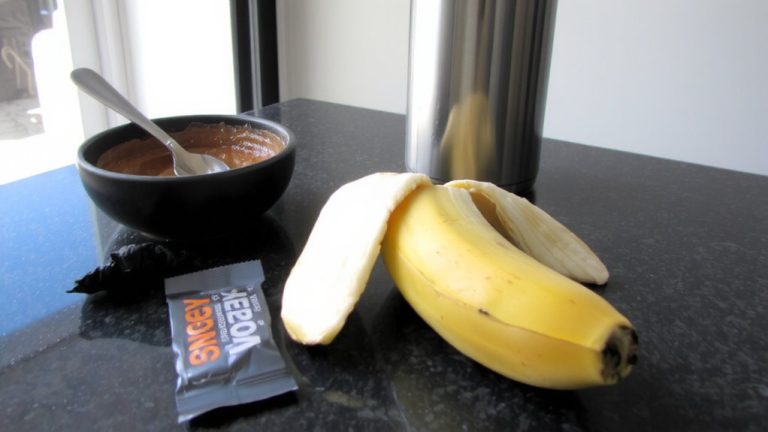
While fiber-rich vegetables like broccoli and kale support long-term gut health, they aren’t ideal in the two hours before a run-swap them for steamed carrots or cooked spinach, which deliver vitamins A and K without the 2–4 grams of raffinose found in raw cruciferous varieties, greatly cutting gas and bloating; these gentler options clear the digestive tract faster, with testers reporting smoother starts and fewer mid-run cramps during 10K and half-marathon pace efforts. Ditch raw broccoli and cauliflower snacks-opt for simple carbs like bananas, rice cakes with honey, or white rice, which digest quickly and Avoid GI distress. Choose zucchini noodles over cauliflower rice and small amounts of baby arugula instead of raw kale. These foods to eat support a balanced meal without fermentable fibers. Energy bars with <5g fiber and low FODMAPs also work well, giving fast fuel and fewer digestive surprises.
How Meal Timing Affects Bloating During Runs
Because digestion slows during intense exercise, eating cruciferous veggies like broccoli or Brussels sprouts within two to three hours before a run can leave raffinose-the indigestible carb-fermenting in your gut, creating gas that leads to bloating and cramps; testers running 5K to half-marathon distances reported noticeable discomfort when meals included raw or lightly cooked versions, especially when consumed in portions over 1 cup. Poor meal timing amplifies gas production, as sulfur compounds break down into hydrogen sulfide, worsening bloating. Blood flow shifts away from digestion during a pre-run, leaving fiber-heavy cruciferous vegetables undigested. Cooking helps reduce raffinose, but even then, eating within three hours raises risk. For sensitive runners, bloating can occur six hours post-meal if large, raw portions are eaten. Smart meal timing-allowing 4+ hours after cooked cruciferous vegetables-keeps your gut calm and run comfortable.
Best Foods to Eat 1–2 Hours Before Running
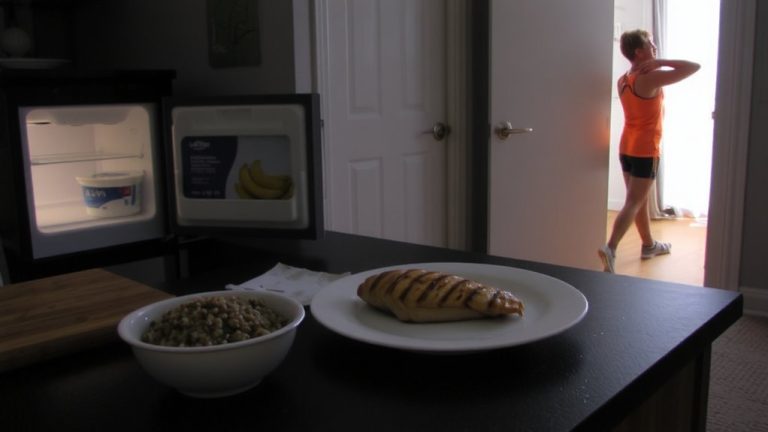
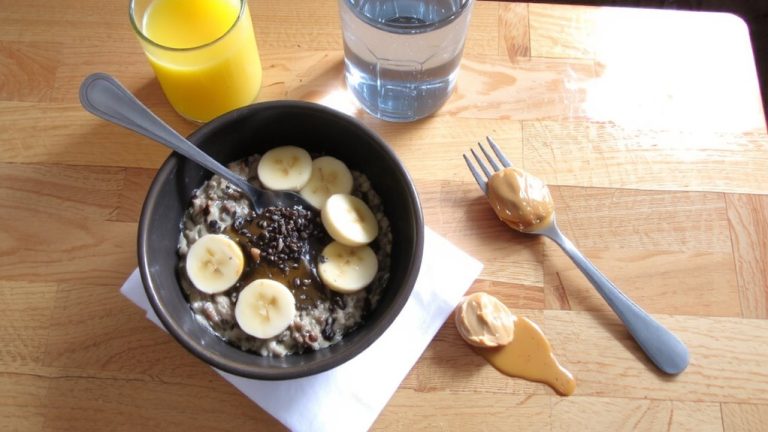
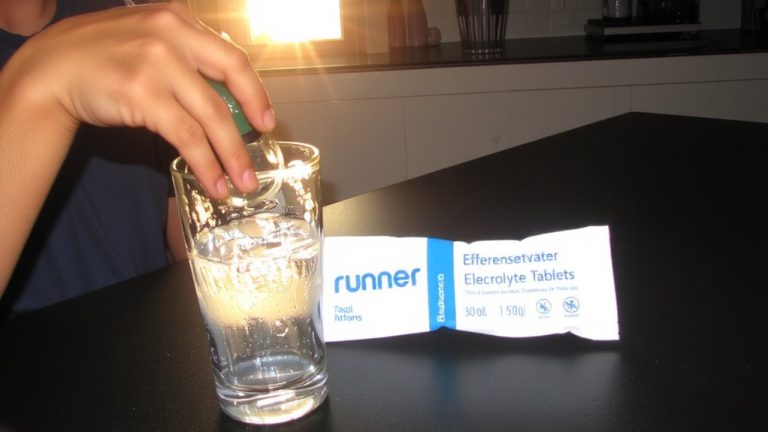
Though your run might be just around the corner, what you eat in the hour before can make or break your performance-so aim for 200–400 calories rich in easy-to-digest carbs like a slice of whole wheat toast with peanut butter, a medium banana, or a half-cup of oatmeal. These foods deliver steady energy without taxing your gut. To maintain blood sugar and fuel muscles, target 1–4 grams of carbs per hour based on your weight. A plain English muffin with peanut butter offers that ideal 3:1 carb-to-protein ratio, boosting endurance and readiness. Stick to low-fiber, low-fat options-white rice, bagels, applesauce-to prevent cramps. Pair your meal with 8–12 ounces of an electrolyte drink 30 minutes prior, ensuring hydration without sloshing. Real runners report smoother starts, sustained energy, and zero side stitches when timing and choosing snacks like these.
On a final note
You’ll feel lighter and run stronger by skipping cruciferous veggies like broccoli or cabbage 2–3 hours before your run-they contain raffinose, a sugar that ferments in your gut and causes gas. Running jostles your digestive tract, worsening bloating. Instead, grab a banana or toast with peanut butter 60–90 minutes out. These low-fiber, easily digested options fuel without discomfort, based on real runner feedback and digestion science.