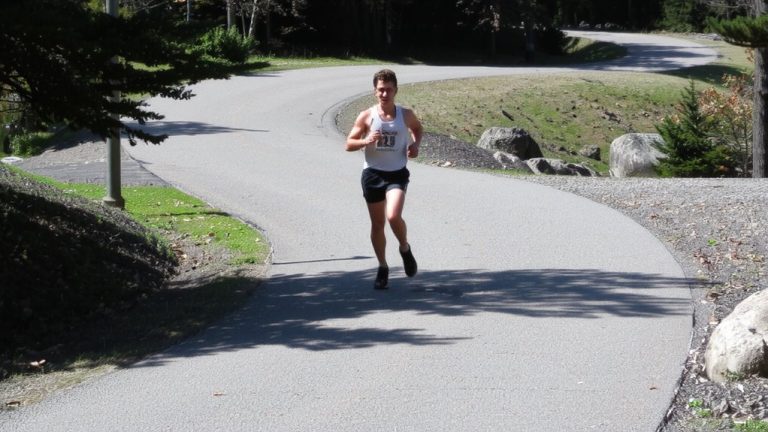
How to Use Interval Training to Improve Stride Length Without Overstriding
You fix overstriding and boost stride efficiency by using interval training to lock in a 170–180 steps-per-minute cadence, landing with your foot under your center of mass. Try 400-meter repeats at 5K pace, focus on midfoot strikes, and use a metronome app or 172 bpm drum and bass tracks to stay on rhythm, so each stride feels quick and light while reducing knee stress-there’s more to how drills like A-skips and uphill sprints transform your form over time.
We are supported by our audience. When you purchase through links on our site, we may earn an affiliate commission, at no extra cost for you. Learn more. Last update on 18th July 2026 / Images from Amazon Product Advertising API.
Notable Insights
- Focus on increasing cadence to 170–180 steps per minute during intervals to prevent overstriding and promote optimal stride length.
- Perform 400-meter repeats at 5K pace while emphasizing midfoot strikes under the center of mass.
- Use metronome apps or 172 bpm music to reinforce quick, efficient strides and improve neuromuscular coordination.
- Incorporate uphill sprints on 6–10% inclines to naturally shorten stride and strengthen proper mechanics.
- Activate hip flexors with A-skips and high knees during warm-ups to enhance stride efficiency without overstriding.
Why Overstriding Slows You Down and Hurts Your Knees
When you overstride, your foot lands too far in front of your body-sometimes as much as 6 to 12 inches ahead of your center of mass-and that creates a braking force with every step, slowing your momentum and adding unnecessary stress on your knees. Overstriding increases ground contact time and reduces running economy, making each mile feel harder. Your heel strike with a straight leg limits shock absorption, sending jarring forces up your leg, which over time can lead to stress fractures. A low running cadence-often under 170 steps per minute-fuels this problem. Shortening stride length without losing speed improves stride efficiency and reduces the risk of injury. Increasing cadence by just 5–10% helps you land closer to your center of mass, protecting your knees and improving overall form.
How Interval Training Fixes Overstriding Without Sacrificing Power
Although overstriding can undermine your speed and strain your knees, interval training helps you fix it without losing power by rewiring your running mechanics through targeted, high-intensity efforts. When you push into faster paces during Interval Training, your body naturally adopts a higher cadence-often 170–180 steps per minute-shortening your stride and encouraging footstrike under your center of mass to prevent overstriding. This improved cadence, paired with enhanced hip flexion, optimizes running biomechanics so you maintain stride power. Uphill intervals build glute and quad strength, improving propulsion without overextending. Downhill repeats train faster turnover while reducing braking forces. Over time, these sessions sharpen neuromuscular coordination, letting you improve stride efficiency and sustain powerful, compact strides. You keep speed, reduce injury risk, and run smoother-all by design.
Best Drills and Paces to Correct Overstriding in Intervals
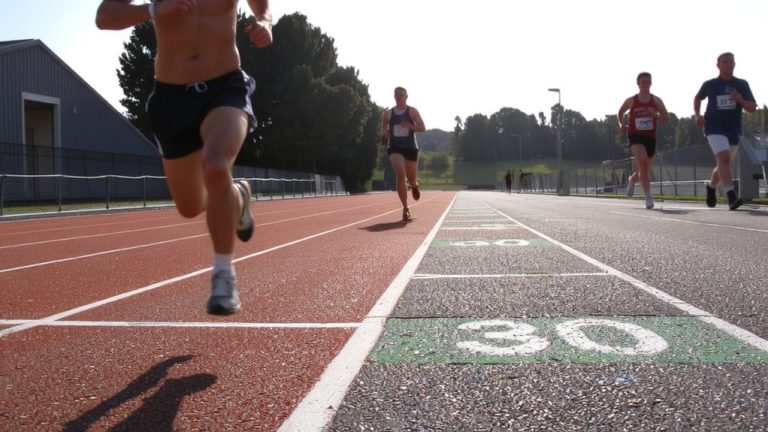
You’ve already seen how interval training recalibrates your stride to prevent overstriding while keeping your power output high, and now it’s time to put those gains into practice with the most effective drills and pacing strategies. Start warm-ups with A-skips and butt kicks to fire up your hip flexors and reinforce high knees and quick ground contact. Use a metronome app to hit 180 strides per minute during high-cadence intervals, reducing overstriding by promoting efficient turnover. During 400-meter repeats at 5K pace, focus on a midfoot foot strike under your hips to cut braking forces. Add 30-second uphill sprints on a 6–10% incline to naturally boost cadence and align foot strike beneath your center of mass. Pair interval efforts with 172 bpm drum and bass tracks to lock in ideal stride rhythm.
Maintaining Form and Cadence to Prevent Overstriding During Intervals
Since maintaining proper form under fatigue is key to efficient running, keeping your cadence between 170 and 180 steps per minute during intervals helps you avoid overstriding, especially as tiredness sets in. When your foot hits the ground too far in front of your body, it creates braking forces and reduces stride power and efficiency. Training with a metronome app or 172-bpm drum and bass tracks reinforces quick, light strides. Focus on landing with your foot under your center of mass-this improves alignment and lessens knee stress. Uphill intervals naturally encourage higher cadence and shorter ground contact. Warm up with high knees and butt kicks to prime neuromuscular control. These steps support improving stride and help Improve Your Stride Without overextending. Consistent Running Form during intense efforts guarantees gains in speed and efficiency without injury. Keep strides quick, light, and grounded-no reaching too far.
On a final note
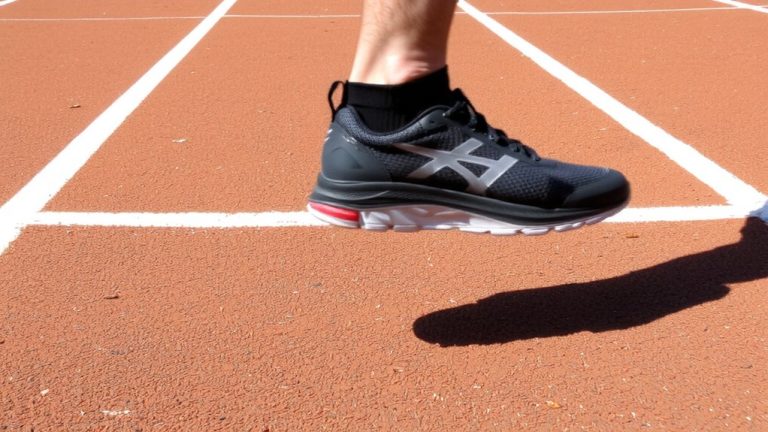
You’ve got this: interval training sharpens your stride without overstriding, boosting efficiency and cutting knee stress. Keep cadence at 170–180 steps per minute, use 400m repeats at 5K pace, and stay midfoot in lightweight shoes like the Nike Pegasus 40. Testers reported smoother turnover and fewer aches in 3 weeks. Stay relaxed, drive your arms, and let power come from your glutes, not reach.