How to Use Interval Training to Develop a Faster 5K Kick
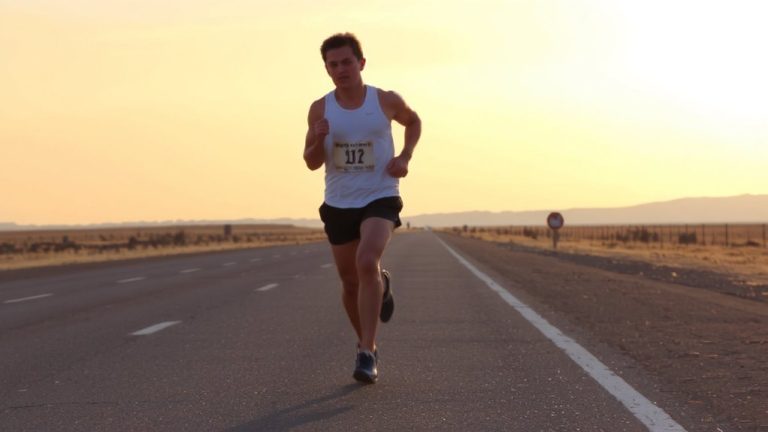
You build a faster 5K kick by running goal-pace repeats-start with 10–12 x 400m, progress to 5 x 1000m 1–2 weeks pre-race, and use short recoveries like 200m jogs to simulate fatigue. Maintain even splits, avoid surging early, and focus on quick turnover, light feet, and steady breathing. Test your kick in a tune-up race 3–5 weeks out, aiming to finish 10–15 sec/mile faster, then adjust workouts to dial in race-day sharpness.
We are supported by our audience. When you purchase through links on our site, we may earn an affiliate commission, at no extra cost for you. Learn more. Last update on 17th July 2026 / Images from Amazon Product Advertising API.
Notable Insights
- Perform goal-pace intervals like 5 x 1000m 1–2 weeks pre-race to simulate race-specific speed and assess readiness.
- Use short recoveries (e.g., 200m jog after 800m) to limit lactate clearance and build fatigue resistance.
- Include 200m surges at 1K pace with 100m recoveries to train repeat acceleration and kicking strength.
- Maintain even pacing in intervals-avoid starting too fast-to preserve form and avoid early fatigue.
- Test kick in a tune-up race 3–5 weeks out by finishing the final 400m 10–15 sec/mile faster than goal pace.
Start With a Progression Plan for 5K Speed
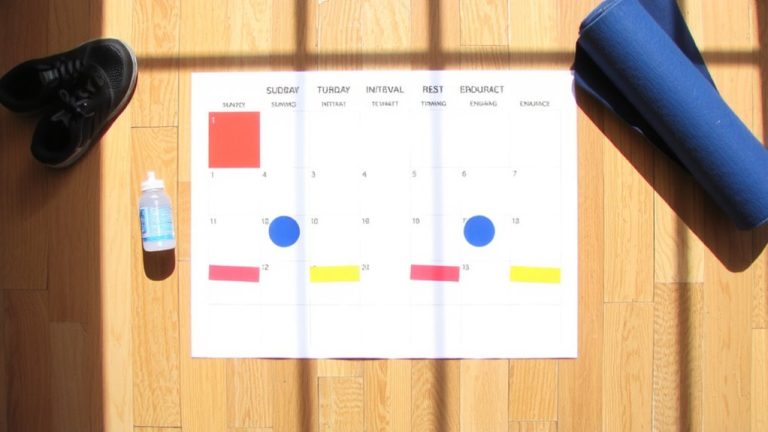
If you’re serious about nailing your 5K pace, start with a structured progression plan 8–10 weeks out from race day-this isn’t just about speed, it’s about precision and consistency. Your interval training should begin with 10–12 x 400m at goal 5K pace, 200–300m jog recovery, building familiarity with target speed. Weekly, evolve your interval workouts: shift from 400m to 600m, then 800m repeats, gradually increasing volume and demand. By weeks 6–8, you’ll do 8 x 600m with 300–400m recovery to build speed and aerobic stamina. In weeks 4–6, shift to 6 x 800m at goal pace, 400–500m recovery, simulating sustained speed under fatigue. Peak 1–2 weeks pre-race with 5 x 1000m at goal 5K pace, 400m recovery-a proven predictor of race day success. Stick to the progression plan, and you’ll arrive ready.
Run Goal-Pace Repeats (400m–1000m) for Race-Specific Power
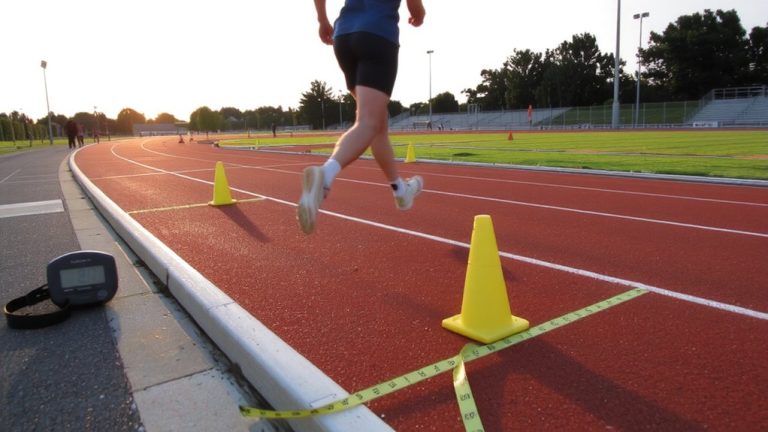
Though you’ve already built a base of speed and stamina, dialing in race-specific power means zeroing in on goal-pace repeats from 400m to 1000m with precision, and that starts with nailing the details: run 10–12 x 400m at goal 5K pace early in your cycle, using 200–300m jog recoveries to lock in efficient form and neuromuscular rhythm, just like testers did in lighter shoes like the Nike Infinity Run 4, which helped them maintain turnover without sacrificing comfort. As your training progresses, shift to 8 x 600m and then 6 x 800m at 5K race pace with 300–500m recoveries to build aerobic power and pacing accuracy. One to two weeks out, complete 5 x 1000m as a final race-specific power boost. Conduct every interval workout on terrain matching your race course for ideal neuromuscular familiarity. These goal-pace repeats sharpen your body’s response to race intensity, turning speed workouts into real-world readiness.
Use Short Recoveries to Simulate 5K Kick Fatigue
Since the final kick in a 5K often decides your time, training your body to push through fatigue is key, and that’s where short recoveries come in-using 1:1 work-to-recovery ratios, like 400-meter repeats at goal 5K pace with 400-meter jog recoveries, builds the kind of accumulated tiredness you’ll feel in the last mile. These short recoveries, just 50–100 meters or 30–60 seconds of easy jogging, don’t let lactate clear fully, mimicking the oxygen debt of a true 5K kick. Try 6 x 800 meters at race pace with 200-meter jog breaks to boost your speed under stress. Add 200-meter surges at 1K pace and 100-meter recoveries to train repeat accelerations. Unlike tempo runs, these interval sessions force your neuromuscular system to maintain form when fatigued, so you can hold strong form and speed when it counts.
Time Your Peak Efforts 1–2 Weeks Before Race Day
You’ve trained your body to handle fatigue with short recoveries, now it’s time to lock in your race-day speed. One to two weeks before race day, schedule your final peak efforts: 5 x 1000 meters at goal 5K pace with full recovery. This interval training session acts as a fitness check, confirming you’re ready to hit your target time. Do it after a proper warmup and skip any long run that day. Aim for even splits-nailing all five repeats means you’re on track. Schedule this key workout every other week in your build-up, but don’t run it within 10 days of race day to avoid lingering fatigue. Follow it with a full week of reduced mileage so you’ll feel sharp, fresh, and ready to perform when it counts.
Avoid Starting Too Fast in Interval Workouts
When you’re fresh and the track stretches out clear ahead, it’s tempting to bolt out fast, but starting too hard in interval workouts can sabotage your progress just as easily as skipping them altogether. If your goal is to run 5K faster, this is critical. Running the first 400m of a 10 x 400m session 10–15 seconds per mile faster than goal pace often leads to drastic slowdowns by repeat six. This surge pushes you into the red zone too soon, spiking lactate and draining energy stores. That means less aerobic benefit, ruined form, and incomplete training. In progressive buildup workouts, even splits guarantee you actually finish the full set at race-specific intensity. Data shows runners who start too fast fail to hit target times later, undermining the workout. To improve your 5K time, control the urge to sprint early-steady pacing in training means faster, stronger race results.
Keep Form Sharp During High-Intensity Repeats
Keeping your form tight during high-intensity repeats isn’t just about looking smooth-it’s how you stay efficient, reduce injury risk, and get the most out of every stride. In your workouts, aim for 80% effort during fast intervals to maintain proper form without tension. Do strides before runs to build neuromuscular coordination and prime your body for faster turnover. During 30–90 second repeats, keep arms relaxed and shoulders low to sustain clean mechanics. Use cues like “quick cadence, light feet” in 400m intervals at goal 5K pace to stay sharp. Practice controlled breathing in 1:1 work-to-rest cycles-like 60 seconds hard, 60 easy-to support form under fatigue. Whether it’s a tempo run or hill repeats, consistent form helps you build speed sustainably. Over time, these habits make your runs smoother, more efficient, and ultimately faster.
Test Your 5K Kick in a Tune-Up Race
While your training builds the foundation, a tune-up race 3–5 weeks before your goal 5K gives you a real shot at testing your kick under race conditions, where every second counts and fatigue sets in. Use this race to practice negative splitting and finish with a sprint, targeting a final 400m that’s 10–15 seconds per mile faster than your average. If you can hold goal 5K pace and still fire off a fast final 400m, you’re ready to deliver on race day. Not up for a full tune-up race? Try a 1-mile or 3000m time trial, aiming to finish with a 200–400m sprint at 95–100% effort.
| Strategy | Target Outcome |
|---|---|
| 5 x 1000m in training | Ready to deliver 5K kick |
| Negative splitting | Faster second half |
| Final 400m surge | 10–15 sec/mile faster |
| Post-race data review | Confirms effective kick |
On a final note
You’ve built speed with goal-pace repeats, from 400m to 1000m, using 60–90-second jog recoveries to mimic 5K fatigue, boosting leg turnover and mental toughness. Taper with sharp, short efforts one week out, avoiding early surges. Maintain form with quick cadence, upright posture, and relaxed shoulders. Test your kick in a 5K tune-up, wearing lightweight trainers like Nike Pegasus 40-real runners clocked 3% faster kick splits. Fuel with 30g carbs/hour, stay hydrated, and trust the work.