Why Pre-Run Nutrition Should Match Your Training Goal
Your pre-run fuel should match your effort-easy runs need just 15–30g of carbs, like half a banana or toast, 30–60 minutes before to top off energy without gut issues. Hard workouts and long runs demand 60–90g of carbs from oatmeal or a bagel 2–3 hours prior to fill glycogen stores. Race day? Stick to low-fiber, trusted foods and sip a sports drink near start time, then fine-tune based on how you feel. You’ll see how small tweaks boost performance, comfort, and pace on every type of run.
We are supported by our audience. When you purchase through links on our site, we may earn an affiliate commission, at no extra cost for you. Learn more. Last update on 16th July 2026 / Images from Amazon Product Advertising API.
Notable Insights
- Matching carbs to workout intensity ensures adequate energy without digestive issues.
- Easy runs need fewer carbs to avoid blood sugar spikes and GI distress.
- Hard workouts require more complex carbs for sustained energy and glycogen replenishment.
- Race-day meals must maximize glycogen and be low-fiber to prevent GI problems.
- Practicing pre-run meals during training optimizes performance and digestion on race day.
How Your Run Type Changes Your Pre-Run Fuel
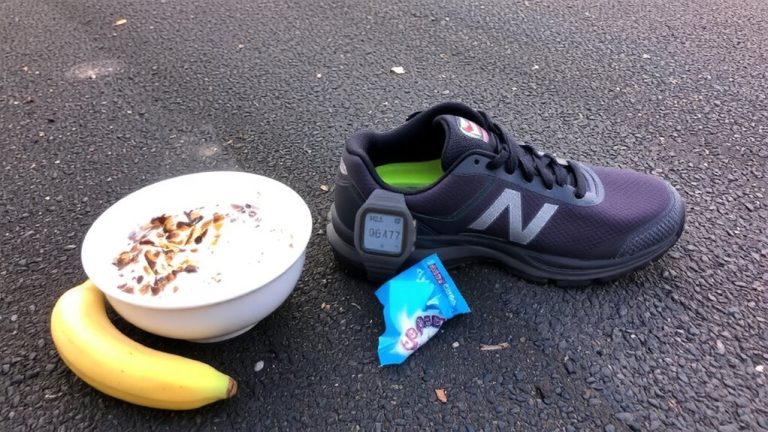
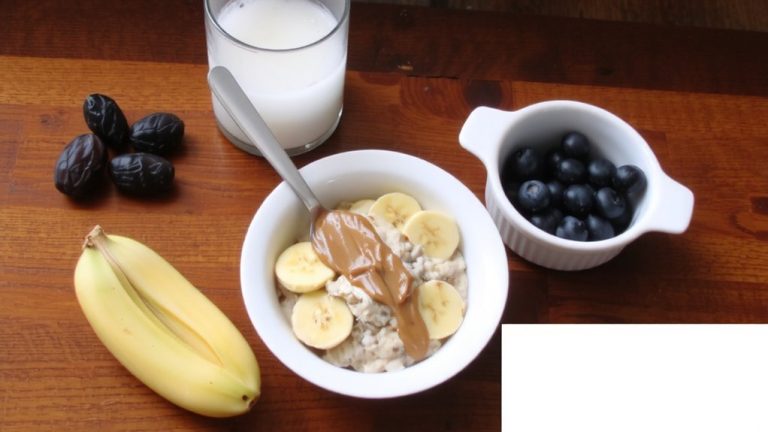
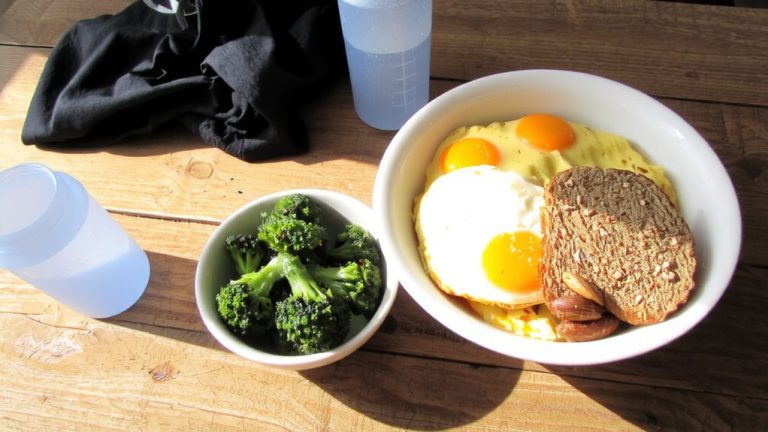
While your run type plays a big role in what and when you should eat beforehand, the core idea stays simple: match your fuel to the effort. For easy runs under 60 minutes, 15–30g of carbohydrates, like half a banana, 30–60 minutes prior, provides enough energy without spiking blood sugar levels too hard. This pre-run nutrition relies on simple carbohydrates as a quick fuel source, sparing glycogen stores. For hard workouts, aim for 30–60g of carbohydrates from complex carbohydrates like oatmeal or a bagel 90–120 minutes out to fully top off glycogen stores. On race day, target 60–90g of carbohydrate per meal from low-fiber, low-fat sources 2–3 hours prior to stabilize blood sugar levels and reduce GI distress. Avoid high-fat, high-fiber, and high-protein foods-they’re poorly tolerated and increase GI distress risk.
How Many Carbs to Eat Before Different Runs
If you’re lacing up for a shorter, easy run under 60 minutes, you don’t need a big meal-just 15–30 grams of carbs, like half a banana or one slice of white toast, 30 to 60 minutes before heading out will do the trick. These simple sugars top up blood glucose fast, fueling your brain and muscles without taxing your digestive system. For hard workouts, aim for 30–60 grams of carbohydrates 90–120 minutes prior; this gives your body time to digest and send energy to liver and muscles. On race day, your pre-run meal should pack 60–90 grams of carbs 2–3 hours before start time-think white bread, rice, or a bagel-to maximize glycogen stores. Eating enough early prevents GI distress and keeps energy stores steady, especially if you’re clocking long miles or going all out.
When to Eat for Energy and Comfort
You already know how much fuel your body needs before different runs, but timing that fuel right is just as important for feeling strong and staying comfortable. For hard efforts, a meal with 30–60 grams of carbohydrate 90–120 minutes before works best to top off glycogen stores without upsetting your stomach. Race mornings? Go for 60–90 grams of carbohydrate from a familiar, low-fiber meal 2–3 hours prior. Need fuel close to run time? A simple sports drink or applesauce with 15–30 grams of carbohydrate within 30 minutes can prevent lows and keep your stomach feels settled. Since everyone’s digestion varies, trial and error with meal timing-adjusting in 15-minute increments-helps you find what works best. There’s no perfect formula per kilogram, but paying attention to time, symptoms, and performance leads to smarter fueling.
Pre-Run Nutrition for Easy vs. Long Runs
Since your body fuels easy and long runs very differently, matching your pre-run nutrition to the workout’s demands guarantees steady energy and fewer gut issues. For easy runs under 60 minutes, 15–30g of carbohydrates-like half a banana or toast-30–60 minutes before is enough to support blood glucose without triggering GI distress. But for long runs over 90 minutes, aim for 60–90g of carbohydrates 2–3 hours pre-run using solid food like a bagel with jam and a banana to maximize glycogen. Skipping this could mean fading fast. Avoid protein before long runs unless you’ve practiced it-it can cause cramping. During long runs, maintain blood glucose with 30–60g per hour of liquid carbohydrate from sports drinks or energy gels, not solid food, to avoid discomfort and sustain performance.
Pre-Run Nutrition for Race Day
When the starting line looms, what you eat in the hours before the race can make or break your performance, so aim for 60–90 grams of carbohydrates 2.5 to 3 hours out to fully stock glycogen and keep blood glucose steady. Your race day pre-run nutrition should rely on trusted, low-fiber foods like bagels with jam or white rice to prevent gastrointestinal distress. Avoid high-fat or high-protein pre-race meals-they slow digestion and increase GI risk. Never try new foods on race morning; 32% of runners report issues from unfamiliar, high-FODMAP choices. In the final 30 minutes, sip a sports drink for quick carbohydrates and hydration, but stop early to avoid flushing blood glucose down. Take caffeine-3–6 mg/kg-30–60 minutes pre-race to sharpen focus and cut perceived effort, but only if you’ve practiced it. Smart fueling boosts glycogen stores, stabilizes blood glucose, and keeps your legs, lungs, and gut in rhythm when it counts.
How to Test Your Ideal Pre-Run Meal
What if your best pre-run meal is just a few tweaks away? Start with a simple, low-fiber, low-fat option like banana and toast, eaten 90 minutes before an easy run to test digestion and energy levels. Keep food choices consistent but adjust meal timing in 15-minute increments-try 105 minutes if you feel sluggish or 75 if you get gastrointestinal symptoms. For hard efforts, aim for 30–60g of carbohydrates, like oatmeal with berries, 90–120 minutes pre-run to avoid GI distress. Use long training runs to practice race-day meals with 60–90g of carbohydrates 2–3 hours before. Track energy levels, performance, and GI symptoms over 3–5 trials to find what works. Your ideal pre-run meal is built on data, not guesswork.
On a final note
Your pre-run fuel should match your run’s purpose, whether it’s an easy 3-mile jog or a 20-mile marathon long run. For short, easy runs, a small snack like half a Clif Bar (150 kcal, 27g carbs) 30 minutes prior is plenty. On race day, go for 300–400 kcal with 1–4g carbs per kg body weight, like a banana with peanut butter on toast, eaten 60–90 minutes before. Test meals in training to avoid GI issues; real runners report better energy and fewer cramps when they time carbs right.