How to Fuel Before a Trail Ultramarathon Without Weighing Down
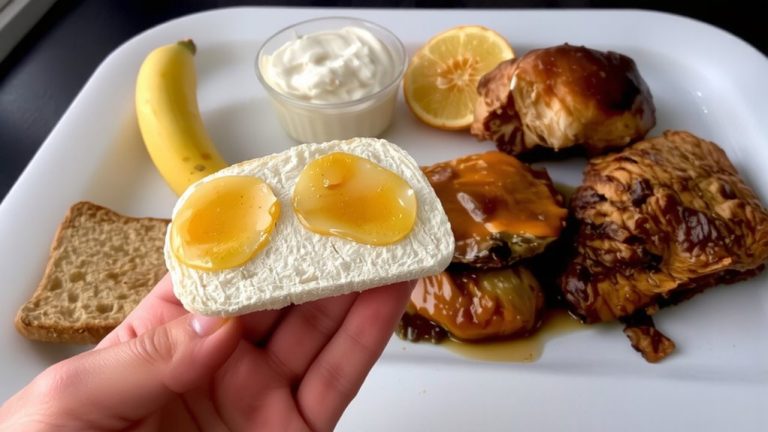
Eat 50–90g of simple carbs like white toast with peanut butter or oatmeal with banana 3–4 hours before the start, keeping fat, fiber, and dairy low to avoid gut trouble. Pair with a touch of protein-think 20g Greek yogurt or one boiled egg-and skip bacon or beans that slow digestion. Calm your nerves with deep breathing to keep blood flowing to your gut. Stick to foods you’ve practiced with, and sip electrolytes 30 minutes out to stay sharp-your stomach will thank you in mile 20.
We are supported by our audience. When you purchase through links on our site, we may earn an affiliate commission, at no extra cost for you. Learn more. Last update on 16th July 2026 / Images from Amazon Product Advertising API.
Notable Insights
- Consume 50–90g of easily digestible carbs 3–4 hours pre-race to fuel endurance without gut discomfort.
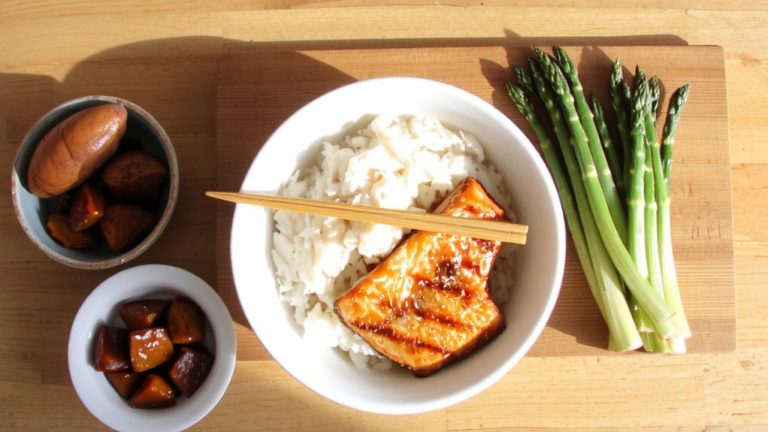
- Choose low-fiber, low-fat, non-dairy foods like white bread or boiled sweet potatoes to prevent bloating and nausea.
- Include no more than 0.25 g/kg of lean protein to stabilize energy without slowing digestion.
- Avoid high-fat, high-fiber, or dairy-rich foods that delay gastric emptying and increase GI distress risk.
- Stick to race-tested meals like porridge or PB&J to ensure digestive tolerance and reliable energy delivery.
Fuel With 50–90g of Carbs Before the Start
A solid pre-race breakfast isn’t just about fullness-it’s about fine-tuning your energy stores, and hitting 50–90 grams of carbs 3–4 hours before the start gives your muscles the glycogen they need to power long climbs and sustained effort. Your trail running success hinges on smart carbohydrate intake, so choose easily digestible foods like porridge with dried fruit or a peanut butter and banana sandwich. These options deliver quick energy without stressing your gut. Avoid high-fiber, high-fat, or high-protein foods-they slow digestion and risk discomfort. You want glycogen stores topped off, not stomach trouble. Practice this fueling plan in training to dial in portion size and timing. If you tolerate it, add 1–4 g/kg of carbs up to an hour pre-race. Real runners report smoother starts and steady energy when they stick to simple, proven foods.
Calm Your Nerves to Aid Digestion
You’ve nailed your carb intake, hitting that 50–90g sweet spot a few hours out, but all that fuel means nothing if your gut shuts down before the starting horn. When nerves spike, your body shifts into fight-or-flight mode, reducing blood flow to the gut and impairing digestion-exactly what trail runners don’t need. High stress can derail energy levels by diverting resources away from processing your pre-race meal. In one 161-km ultra, pre-race anxiety contributed to a 35.6% dropout rate, with nausea plaguing 90.5% of GI-stricken runners. To calm your nerves, practice deep breathing to lower cortisol and boost parasympathetic activity. Stick to familiar foods that meet your individual needs-like Max King’s go-to peanut-butter-and-jelly sandwich-to support mental calm and steady digestion when it counts.
Avoid High-Fiber, High-Fat, and Dairy Foods
While your carb-loading strategy sets the stage for sustained energy, what you *don’t* eat before a trail ultramarathon can be just as critical-especially when 35.6% of non-finishers in a 161-km race drop out due to gastrointestinal issues. Skip high-fiber foods like raw veggies, beans, or raisin bran-they’re tough to digest and can cause bloating. High-fat meals slow gastric emptying, leaving you feeling heavy and increasing nausea risk when intensity ramps up. If you’re sensitive, avoid dairy; lactose is a FODMAP that fuels fermentation, gas, and diarrhea. Kasie Enman learned this the hard way with orange juice and bran. Instead, choose low-fiber, low-fat, non-dairy options like white bread, boiled sweet potatoes, or quinoa pasta. These support quick digestion and reduce gut stress, helping you stay focused on the trail, not the bathroom.
Eat Race-Tested, Easy-to-Digest Foods
What you eat in the days leading up to a trail ultramarathon isn’t just about loading up on carbs-it’s about choosing the right kinds, the ones you know your stomach can handle without rebelling. Stick to easy-to-digest foods like boiled sweet potatoes, al dente pasta, or grainy breads 2–3 days out to boost glycogen without gut issues. Eat something familiar 3–4 hours before the start-think porridge with dried fruit or a PB&J sandwich-aiming for 1–4 g/kg of carbs. This is where trial and error pays off; your sports nutrition plan should never include surprises on race day. Max King still swears by his peanut-butter-and-jelly habit, proving race-tested foods work. Avoid anything new, even if it’s marketed for fueling and hydration. When you eat race-tested foods, you trust your gut to focus on the trail, not turmoil.
Add a Little Protein, Not Fat
Think of your pre-race meal as a finely tuned trail mix: mostly carbs for quick fuel, a dash of protein to keep things stable, and almost no fat to avoid slowing you down. Aim for 1–4 grams of carbs per kg of body weight with ≤0.25 g/kg protein about 3–4 hours before your trail run. A rule of thumb: choose lean protein like Greek yogurt or a boiled egg (20–30g max) to support muscle readiness without taxing digestion. Avoid fatty options like bacon-fat delays gastric emptying and can wreck your energy. Pair a tablespoon of peanut butter with banana or toast for steady fuel and minimal gut load.
| Food Pairing | Protein (g) | Fat (g) |
|---|---|---|
| Greek yogurt + berry | 20 | 0–5 |
| Boiled egg + toast | 14 | 6 |
| PB (1 tbsp) + banana | 4 | 8 |
| Oatmeal + skim milk | 10 | 3 |
Top Off Electrolytes 30 Minutes Before Race
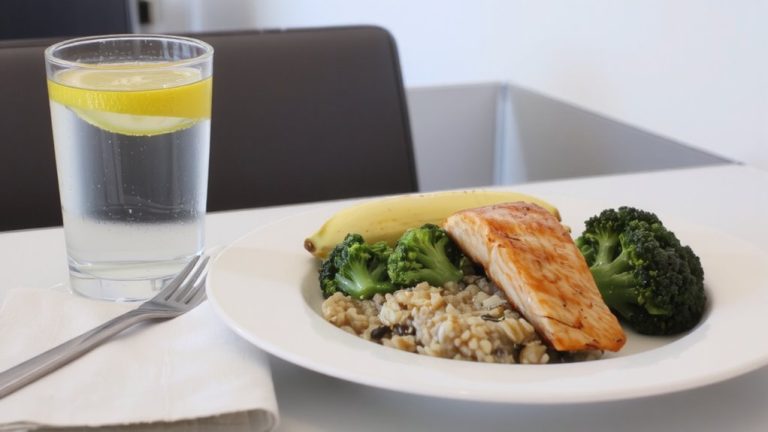
You’ve nailed your pre-race carb and protein balance, so now it’s time to lock in your hydration strategy-start by topping off electrolytes 30 minutes before the gun goes off. Take 300–500 mg of sodium to support plasma volume and early hydration, especially if sweat rates exceed 1,000 ml/hour in hot conditions. A 2021 study in the Journal of the International Society of Sports Nutrition showed pre-race sodium loading improves fluid retention and delays hyponatremia. Pair your electrolytes with 500–750 ml of water to optimize gut comfort and avoid bloating. Products like Precision Hydration’s 1000mg capsules let you adjust your sodium dose without digestive strain. This final top-off primes your hydration status, ensuring you start strong without added bulk. It’s a small step that makes a real difference in maintaining balance when the trail heats up.
On a final note
You’ve got this-eat 50–90g of simple carbs like a banana or Clif Bar 2–3 hours before, keep fiber, fat, and dairy out, and add a little protein, not fat. Stick to race-tested foods, calm your breathing to help digestion, and sip 16 oz of electrolyte mix with 300–500mg sodium 30 minutes out. Your stomach stays quiet, energy stays high, and your Quickspeeds keep flying over roots.