How to Eat Before a Race When Traveling Internationally
Book a hotel with a kitchenette so you can prep familiar carb-heavy meals like oatmeal, rice, or boiled potatoes, and pack your go-to race nutrition-3–5 servings of trusted carbs, 10–12 tested gels, and shelf-stable snacks like rice cakes. Arrive 2–3 days early to adjust and shop for simple, reheatable options like instant rice or canned beans. Stick to your 8–10g carbs/kg routine, and on race morning, fuel with a Clif Bar or Honey Stinger waffle, 300–400 calories, 2–3 hours out, plus a gel 10 minutes before start-you’ll keep your stomach calm and energy steady, just like in your home training blocks, with the same tested precision that top finishers rely on.
We are supported by our audience. When you purchase through links on our site, we may earn an affiliate commission, at no extra cost for you. Learn more. Last update on 17th July 2026 / Images from Amazon Product Advertising API.
Notable Insights
- Book accommodations with a kitchenette to prepare and store familiar carb-rich meals.
- Pack trusted race nutrition like energy gels, bars, and instant oatmeal in your carry-on.
- Arrive 2–3 days early to adjust and shop for simple, reheatable local groceries.
- Maintain carb-loading with 8–10g carbs/kg daily using known foods cooked in your kitchenette.
- On race morning, eat shelf-stable carbs 2–3 hours pre-race and top up with gels before the start.
Book a Kitchenette and Pack Your Go-To Race Foods
When you’re racing abroad, sticking to your fueling routine can make or break your performance, so book a hotel with a kitchenette-it’s one of the smartest moves you can make. Traveling for a race means you can’t rely on local food to match your nutrition plan. With a kitchenette, you can prep and reheat meals that support your carb load, like boiled potatoes, plain rice, or oatmeal. Pack 3–5 servings of trusted carb sources-Granola bars, rice cakes, oatmeal packets-so you’re never stuck without something to eat. Bring 10–12 tested energy gels too; they’re lightweight and stomach-safe. Use the fridge to store Greek yogurt or pre-made meals, and toss in a travel kettle for hot drinks or rehydrating meals. Staying consistent with your race nutrition cuts gut issues, keeps energy stable, and helps you perform at your best, no matter the time zone.
Arrive Early and Shop for Simple, Reheatable Meals
Since you’ve packed your go-to race foods and booked a room with a kitchenette, arriving 2–3 days early gives you the time you need to shop for simple, reheatable meals that fit your fueling plan, and that extra buffer is critical for adjusting to time zones, testing local grocery options, and dialing in meal prep with whatever microwave or fridge your hotel provides. Use that enough time to buy familiar, bland carbs-think instant oatmeal, pre-cooked rice, canned beans, or frozen meals-from a nearby store so you can eat before a race without stress. Store meals in the mini-fridge and reheat them safely. Stick to plain pasta, steamed veggies, or grilled chicken to keep your sports nutrition on track and gut happy. Test each meal during a short run to confirm digestibility. This way, you’ll arrive at the start calm, fueled, and ready to Eat Well-you’ve already nailed your pre-race routine.
Carb-Load Like You’re at Home: No Matter the Time Zone
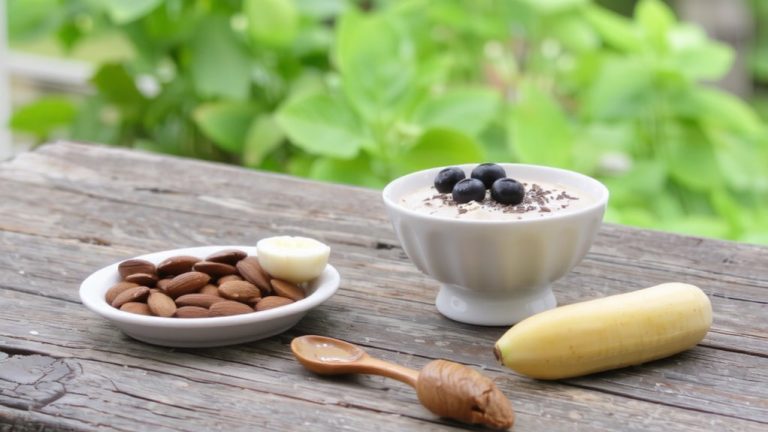
You’ve already settled into your rhythm by arriving early, unpacking your go-to race foods, and testing meals cooked in your hotel kitchenette-now it’s time to stay consistent with the most important part of your pre-race plan: carb-loading. Start carb-loading 3–4 days before race day, aiming for 8–10 grams of carbs per kilogram of body weight daily. Make sure you stick to familiar foods like oats, rice, pasta, and fruit-shop for them right after landing. Use your kitchenette to cook trusted meals: think oatmeal with banana and honey or rice bowls with raisins and almond butter. Even if you’re adjusting to a new time zone, keep your home meal schedule at first, then shift gradually. Bring non-perishable backups like rice cakes and energy bars. Eating well with known options the days leading up to race morning keeps your gut happy and your fuel stores full.
Race Morning Fuel: No Kitchen? No Problem
What if your hotel room doesn’t have a stove, microwave, or even a fridge? No worries-on Race Day, you can still eat before a long event with smart, no-cook options. Grab shelf-stable carbs like a Clif Bar or Honey Stinger waffle, delivering 40–50 grams of carbs per serving, and pair with a packet of almond butter. If you’ve got a kettle, mix ready-to-eat oatmeal with chia seeds. Use the mini-fridge for Greek yogurt and fruit if available. Stick to snacks you know-your gut’s used to them. A sports dietitian would recommend 300–400 calories 2–3 hours pre-race, then a small top-up of 15–30 grams, like energy gummies or energy gels, 10–15 minutes before the start. That’s a solid prerace meal, anywhere.
Bring Your Own Gels and Stick to Your Race Plan
Even if race organizers promise aid stations every few miles, don’t gamble with your gut-bring your own gels from home, the ones you’ve practiced with, that deliver 25–30 grams of carbs per pack and sit well in your stomach. You’ve trained hard, so stick to what works best on race day. Pack 2–3 days’ worth in your carry-on to keep your nutrition consistent and safe from delays. New countries mean new risks-local stores might not carry the brand you’re registered with or trust. At the start line, you’ll feel confident knowing you’ve got exactly what to eat. During the race, take your trusted gel every 30–45 minutes after the first half hour, just like in training. This plan keeps your energy steady and stomach happy. When it comes to fuel, your routine is your advantage-don’t let travel derail it.
On a final note
Pack your fuel, stick to your plan, and eat like you train. Book a room with a kitchenette, bring your favorite carb-heavy staples-like oatmeal, rice cakes, and honey packets-and shop locally for fresh fruit and simple proteins. Arrive early, carb-load without time-zone stress, and use portable, reheatable meals. On race morning, rely on familiar gels-GU Energy, Clif Shot-and avoid unknowns. Test everything first, eat on schedule, and trust your routine.